Cynoglossum montanum Care

About Cynoglossum montanum

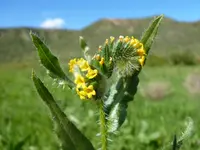
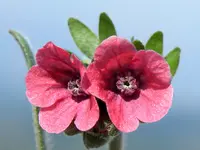
Cynoglossum montanum is a perennial herb from the borage family, known for its softly hairy leaves and small, usually blue to violet, five-petaled flowers. It typically forms loose clumps or patches and sends up slender flowering stems in the growing season.

This species occurs naturally in parts of Europe and western Asia, often in open woodlands, rocky slopes, and grasslands with well-drained soils. It is not widely used as a garden ornamental, but it can suit naturalistic plantings where a modest, wildflower look is desired.

Gardeners who want to care for Cynoglossum montanum should note its preference for sun to light shade and moderately moist, well-drained soil, which generally makes it a low-maintenance plant in suitable climates.

Main Plant Requirements

Care Difficulty

Moderate Care

Light Preference

Partial Shade

Water Requirements

Moderate Water

Temperature Preference

Cool Climate

Hardiness Zone

5–8

Soil Texture

Sandy, Loamy, Rocky

Soil pH

Slightly acidic (6.5–7.0), Neutral (7.0)

Soil Drainage

Well-drained

Fertilization

Minimal (feed rarely)

Get Personalized Care Plan

Scan your plant to receive care tips personalized for your specific plant

Available on iOS and Android

How to Care for the Cynoglossum montanum

This mountain hound’s tongue prefers bright, cool conditions that mimic open woodland or meadow edges.

  • Provide 4–6 hours of direct morning sun with light shade or filtered light in the hot afternoon to prevent leaf scorch.
  • Tolerates light to partial shade, but flowering decreases if it receives less than about 3–4 hours of direct or very bright light daily.
  • In summer, protect from intense midday sun, especially in hotter climates; in cooler regions, full sun is usually acceptable if soil stays evenly moist.

Watering should keep the soil consistently moist but never saturated, especially during active growth and flowering.

  • Allow the top 2–3 cm of soil to dry slightly, then water deeply so moisture reaches the full root zone, especially in free-draining, gritty or loamy soil.
  • Reduce frequency in cool, wet seasons; wilted, limp foliage suggests underwatering, while yellowing lower leaves and a sour smell indicate poor drainage or overwatering.
  • For Cynoglossum montanum, prioritize well-drained soil and avoid waterlogged conditions, particularly over winter, to limit root and crown rot.

This species prefers cool to mild conditions and copes better with cold than with prolonged heat.

  • Optimal growth occurs around 55–70°F (13–21°C), with cooler nights supporting sturdy, compact plants and good flowering performance.
  • The plant is hardy, tolerating drops near 5–10°F (-15 to -12°C) once established, but young plants benefit from mulch during severe frost.
  • In hot summers above 80–85°F (27–29°C), provide afternoon shade and dependable soil moisture to limit stress, leaf scorch, and premature decline.

This species is adapted to drier, open habitats, so humidity is rarely a concern in typical homes or gardens.

Cynoglossum montanum prefers light, well-drained mineral soils that do not stay wet for long.

  • Use a sandy or gritty loam with 20–30% coarse sand or fine gravel to prevent compaction around the roots.
  • Incorporate a small amount of mature compost for nutrients but keep organic matter moderate to avoid waterlogging.
  • Aim for slightly alkaline to neutral pH, roughly 7.0–7.8, and avoid acidic peat-heavy mixes.
  • Improve drainage and aeration in heavier soils by raising the bed or mixing in coarse sand and fine gravel before planting.

This species can be grown in containers if the pot is configured to stay free-draining and not overly wet.

  • Choose a pot at least 25–30 cm deep to accommodate the taproot and prevent restricted downward growth.
  • Use a heavy, stable container material, such as ceramic or thick terracotta, to reduce tipping in windy, exposed positions.
  • Fill the container with a gritty mix and elevate it slightly on pot feet so gravity can pull excess water away from the base.

This mountain wildflower usually needs minimal feeding on naturally fertile soils.

  • In poor or very sandy soils, apply a light layer of garden compost around plants in early spring to support flowering.
  • If growth is weak, use a balanced NPK fertilizer at half strength once in spring during active growth.
  • Avoid repeated or high-dose feeding, which encourages lush foliage over flowers and can weaken plants.
  • Do not fertilize Cynoglossum montanum in late fall or winter, when growth is naturally slow or dormant.

Pruning focuses on keeping plants tidy and encouraging more bloom rather than shaping.

  • In late spring and summer, deadhead spent flower stalks to extend flowering and reduce unwanted self-seeding of Cynoglossum montanum.
  • Remove dead, damaged, or diseased stems at the base with clean, sharp scissors or hand pruners whenever noticed.
  • Lightly thin very crowded stems to improve airflow, which reduces fungal problems and keeps the clump more open.
  • At season’s end, cut back dry, brown tops near ground level, leaving any remaining seed heads if natural reseeding is desired.

This species is most often grown in beds or naturalistic plantings and dislikes frequent disturbance.

  • Transplant in early spring or early fall, when temperatures are mild and soil moisture is steady.
  • Move only when necessary, such as overcrowding or poor performance, since mature roots resent disruption.
  • Lift plants gently, keeping as much soil as possible around the root ball to limit root stress.
  • Replant at the same depth in well-drained soil, water thoroughly, then shade lightly for a few days until established.

Propagation for this species is mainly done from seed rather than by division or cuttings.

  • Sow fresh seeds of Cynoglossum montanum in late summer to fall outdoors, allowing natural winter chilling for better germination.
  • Use a free-draining seed mix and keep it evenly moist but not waterlogged until seedlings appear in spring.
  • Thin or transplant young seedlings while small to reduce root shock and help each plant develop a strong taproot.
  • Allow some flower stalks to set seed in situ so the plant can self-sow and maintain a natural colony.

This hardy perennial generally manages typical winters in temperate climates with little intervention.

  • Plants tolerate frost and snow once established, especially in well-drained soil.
  • In colder regions or exposed sites, apply a 3–5 cm mulch around the root zone after the ground cools, keeping mulch off crowns.
  • Container-grown plants benefit from being moved to a sheltered, unheated spot to avoid repeated freeze–thaw of the root ball.

Care Tips

Use low-nitrogen feed

If growth looks lush but flowering is sparse, switch to a low-nitrogen, higher-phosphorus granular fertilizer in early spring to direct energy into flower production rather than excess foliage.

Encourage branching

When plants are 10–15 cm tall, lightly pinch out the soft tip of the main stem to promote branching and create a fuller clump with more flowering stems.

Staggered sowing

For a longer display period, sow seeds outdoors in 2–3 small batches spaced 2–3 weeks apart so plants come into bloom in succession rather than all at once.

Self-seeding management

If you want controlled self-seeding, leave only a few of the earliest seed heads to ripen and remove the rest before they shatter, which keeps the stand from becoming too dense or invasive.

Rodent and pet safety

Because all parts of this plant are considered toxic if ingested, site it away from play areas, livestock access, and habitual pet routes when growing Cynoglossum montanum in garden borders or naturalized plantings.

Common Pests and Diseases

Powdery mildew

This disease causes a white to gray powdery coating on leaves, especially in warm, dry conditions with poor air movement. Symptoms include distorted growth and premature leaf yellowing or drop.

Solution

Remove heavily infected leaves and any plant debris on the soil surface, then improve spacing and airflow around plants. In home gardens, apply a sulfur or potassium bicarbonate fungicide labeled for ornamentals at the first signs of infection and avoid overhead watering to support consistent Cynoglossum montanum care instructions.

Leaf spot

This disease produces small brown to black spots on leaves that may merge into larger lesions, often with a yellow halo. Symptoms include thinning foliage and reduced vigor when infections are heavy.

Solution

Prune and discard affected leaves and any fallen debris to reduce inoculum, and water at soil level to keep foliage dry. In recurrent cases, use a copper- or chlorothalonil-based fungicide labeled for ornamental perennials and rotate planting areas if disease persists outdoors.

Aphids

These insects cluster on young stems and leaf undersides, sucking sap and causing curling, distortion, and sticky honeydew that can attract sooty mold. This pest reproduces quickly in mild weather and on soft, new growth.

Solution

Dislodge colonies by spraying plants with a strong stream of water, then follow with insecticidal soap or a ready-to-use neem oil product, coating leaf undersides thoroughly. Encourage natural predators like lady beetles outdoors and avoid high nitrogen fertilization that drives tender, aphid-prone growth.

Spider mites

These pests are tiny sap-feeders that cause fine stippling, bronzing, and a dusty appearance on leaves, sometimes with thin webbing between stems and foliage. Symptoms include dull, dry-looking leaves and potential leaf drop in hot, dry conditions.

Solution

Rinse foliage thoroughly with water, focusing on leaf undersides, and repeat several times per week to disrupt mite populations. If needed, apply a horticultural oil or insecticidal soap labeled for mites, and keep plants slightly more humid and well-watered to reduce mite pressure.

Rust

This disease forms small orange, brown, or rust-colored pustules on leaf undersides, often matched by pale or yellow spots on upper surfaces. Symptoms include gradual weakening of plants and early leaf drop when infections become heavy.

Solution

Remove and dispose of affected leaves promptly and avoid overhead irrigation to keep foliage dry. Improve air circulation, and in persistent cases use a rust-labeled fungicide such as sulfur or a copper product, following label intervals until new growth emerges clean.

Interesting Facts

Mountain forest specialist

This species is naturally restricted to montane forests and rocky slopes in parts of Central and Southern Europe, where it grows in light shade under deciduous trees rather than in open meadows.

Preference for calcareous soils

It shows a clear preference for calcareous, or lime-rich, substrates and is often found on limestone or other base-rich rocks, which distinguishes it from several related Cynoglossum species that tolerate more acidic soils.

Velcro-like seed dispersal

Its nutlets are covered with small hooked bristles that cling firmly to animal fur and clothing, an adaptation that allows the seeds to hitchhike long distances away from the parent plant.

FAQs about Cynoglossum montanum

This species is a short-lived perennial. Individual plants usually persist several years, often self-seeding around the original clump. In gardens it may behave almost like a biennial if stressed or grown in harsher conditions.

Grow Healthy Plants with Botan Care

Keep your plants happy and healthy with plant identification, disease detection, and easy care guidance.

Botan plant care app — identify plants on mobile

Explore More Plants