


Damp Tray Method
Use a shallow tray with 0.5–1 cm of distilled or rainwater under the pot rather than top-watering, which keeps roots evenly moist and prevents mineral buildup on the leaf surface.

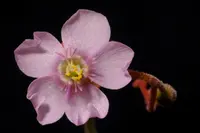
Natal sundew, Drosera natalensis, is a small, rosette-forming carnivorous plant that traps insects with sticky, glistening tentacles on its leaves. It typically stays compact, making it suitable for windowsills and small indoor setups.
This species is native to South Africa, where it grows in sunny, moist, nutrient-poor habitats. Its ability to capture insects helps it survive in these lean soils.
Growth is usually steady and reliable if light and moisture are consistent. Once established, many growers find it a forgiving introduction to how to care for Natal Sundew.
It generally prefers bright light, constantly damp conditions, and a low-mineral, airy substrate such as a peat-based carnivorous plant mix.

Care Difficulty
Moderate Care

Light Preference
Full Sun

Water Requirements
Aquatic

Temperature Preference
Tropical / Frost Sensitive

Hardiness Zone
10–11

Soil Texture
Sandy, Peaty, Organic-rich

Soil pH
Strongly acidic (4.5–5.5)

Soil Drainage
Waterlogged tolerant

Fertilization
Minimal (feed rarely)
Scan your plant to receive care tips personalized for your specific plant
Available on iOS and Android
This small subtropical sundew needs bright light to maintain strong color and sticky traps.
This species prefers constantly wet, low-mineral conditions that mimic its boggy habitat.
This subtropical sundew grows best in mild, frost-free conditions year-round.
This species benefits from consistently moist air but adapts if other care is correct.
This carnivorous plant needs a nutrient-poor, airy, and consistently damp substrate.
Drosera natalensis grows very well in containers when moisture and stability are managed.
This small carnivorous sundew gains most nutrients from prey, so fertilizer use must be minimal and very diluted.
Pruning Drosera natalensis is light and focused on cleanliness rather than shaping.
Repotting keeps this compact sundew healthy by renewing its low-mineral substrate and preventing root crowding.
Drosera natalensis is commonly multiplied by leaf cuttings, division, and seeds under warm, bright, humid conditions.
This subtropical sundew dislikes frost and needs mild, stable winter conditions, especially in container culture.

Plant Health Check
Not sure what's wrong with your plant? Check your plant's health inside the app.
This species is naturally restricted to eastern South Africa, Eswatini, and Mozambique, where it grows in seasonally wet, nutrient-poor, often sandy or peaty soils along seeps, stream margins, and shallow depressions.
Unlike many temperate Drosera, it is adapted to warm conditions and can continue active growth in summer heat typical of lowland subtropical climates, provided the root zone remains constantly moist.
It produces many small, easily dispersed seeds that can rapidly colonize bare, wet patches of substrate, sometimes forming dense, sparkling carpets in suitable microhabitats.

In some of its natural habitats, this species has been observed forming mixed stands with other Drosera species, creating multi-species carnivorous plant mosaics that respond differently to seasonal water level changes and fire, which helps maintain high local diversity in very nutrient-poor wetlands.
This species is relatively slow but steady, usually reaching a small, flowering-sized rosette in 6–12 months from a young plant, depending on light, temperature, and feeding. Growth slows noticeably in cooler, darker seasons.
Keep your plants happy and healthy with plant identification, disease detection, and easy care guidance.

Brazilian jasmine
Mandevilla sanderi
California butterwort
Pinguicula macroceras
Mexican foxglove
Tetranema roseum
Tropical milkweed
Asclepias curassavica
Australian pitcher plant
Cephalotus follicularis
Threadleaf coreopsis
Coreopsis verticillata
Shield Sundew
Drosera peltata
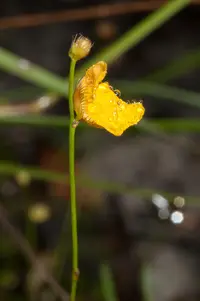
fringed bladderwort
Utricularia simulans