Short Bobbejaantjie Care (Babiana patula)

Also known as: Violet-scent Bobbejaantjie
Short Bobbejaantjie

About Short Bobbejaantjie

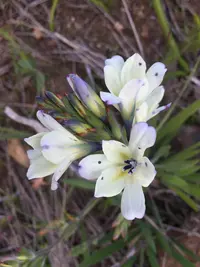
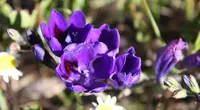
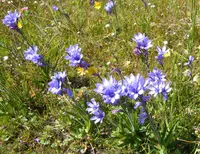
Short bobbejaantjie, Babiana patula, is a small corm-forming flowering plant from the winter-rainfall regions of South Africa. It belongs to the iris family and grows from underground storage organs. Plants produce narrow, pleated leaves and slender stems topped with showy, funnel-shaped flowers in shades of purple, violet, or blue. The blooms often appear in loose spikes and attract pollinators. In gardens, Babiana patula is grown as a seasonal bulb that rests dry in summer and grows in cooler, moist conditions. It suits sunny, well-drained sites and benefits from protection from heavy frost. Understanding these seasonal growth cycles makes it easier to care for Short Bobbejaantjie successfully in containers or rock gardens.

Main Plant Requirements

Care Difficulty

Moderate Care

Light Preference

Full Sun

Water Requirements

Moderate Water

Temperature Preference

Warm Climate

Hardiness Zone

9–11

Soil Texture

Sandy, Loamy, Organic-rich

Soil pH

Acidic (5.5–6.5), Slightly acidic (6.5–7.0)

Soil Drainage

Well-drained

Fertilization

Minimal (feed rarely)

Get Personalized Care Plan

Scan your plant to receive care tips personalized for your specific plant

Available on iOS and Android

How to Care for the Short Bobbejaantjie

Babiana patula grows best in bright, open positions with strong but not scorching sun.

  • Provide 6–8 hours of direct sun daily, ideally with full morning sun and lighter afternoon exposure to protect flower color.
  • Allow light afternoon shade in hot inland areas; Short Bobbejaantjie can scorch or wilt if exposed to harsh sun with reflected heat from walls or paving.
  • In winter-rainfall climates, ensure an unshaded spot during the active growing season, since prolonged shade causes weak, floppy growth and poor flowering.

Babiana patula prefers moist but sharply drained soil during active growth and much drier conditions when dormant.

  • During the growing and flowering season, water only when the top 3–5 cm of soil feel dry, allowing excess to drain freely to avoid bulb rot.
  • Reduce watering sharply once foliage yellows and dies back; keep the soil barely dry to dry over summer dormancy, especially in heavy soils.
  • Signs of overwatering include limp, yellowing leaves and a sour soil smell, while slow curl or crisping of leaves suggests the plant has stayed too dry.

This species prefers cool to mild growing conditions and is sensitive to hard frost and extreme heat.

  • Ideal active-season temperatures are 55–70°F (13–21°C), supporting compact growth and good flowering in late winter to spring.
  • Plants tolerate brief dips to about 28–30°F (-2 to -1°C) if soil is well drained, but repeated freezes below this can damage corms and new shoots.
  • In hot regions, protect from prolonged heat above 90°F (32°C) with light afternoon shade and mulch to keep roots cooler during the growing season.

This corm-forming species manages well in typical indoor humidity if extremes are avoided.

  • Aim for 30–50% humidity, as Short Bobbejaantjie is adapted to relatively dry, Mediterranean-type air.
  • Dry, heated rooms can cause leaf tips to brown and flowers to shrivel prematurely, indicating humidity stress or overall moisture imbalance.
  • Increase local humidity mildly with a nearby water tray or grouping plants, but avoid misting foliage, which can encourage fungal disease on dense flower spikes.

Babiana patula prefers sharply draining, gritty soil that mimics its native, seasonally dry habitats.

  • Use a sandy or gritty loam with 30–50% coarse sand or grit plus a modest amount of compost for nutrient content.
  • Ensure fast drainage; water should pass through the mix within seconds and not leave the potting medium waterlogged.
  • Aim for slightly acidic to neutral pH around 6.0–7.0, avoiding highly alkaline or saline substrates that restrict nutrient uptake.
  • Improve aeration by blending in perlite or fine gravel and avoid heavy clay-based mixes that compact around the corms and cause rot.

This species is well suited to container growing, especially in regions with wet or cold winters.

  • Select a pot deep enough to allow the corms to sit 5–8 cm below the surface, leaving room for offsets to form beneath.
  • Choose a clay or terracotta pot if extra evaporation is needed, since this reduces the risk of water lingering around dormant corms.
  • Elevate the container slightly on pot feet or bricks so excess water drains quickly and does not reabsorb through the drainage holes.

Babiana patula benefits from light feeding but performs best when fertilizer is kept modest and timed to active growth.

  • Use a balanced, water-soluble fertilizer at 1/4–1/2 strength every 4–6 weeks while foliage is actively growing in spring.
  • Choose a low-salt, balanced NPK or apply a thin layer of fine compost on top of the soil for Short Bobbejaantjie.
  • Stop feeding once leaves begin to yellow and the corms enter dormancy in late spring or summer.
  • Avoid fertilizing dormant corms in dry storage or winter, as excess nutrients can cause rot or weak growth next season.

Babiana patula needs only light, targeted pruning to keep the clump tidy and support healthy flowering the next year.

  • In late spring or early summer, remove spent flower spikes at the base with clean, sharp scissors or hand pruners.
  • Allow green foliage to die back naturally; cut it off only when completely dry to let corms recharge.
  • Trim away any dead, diseased, or damaged leaves during the season to improve airflow and reduce fungal problems.
  • Avoid cutting healthy leaves low to the ground, as this reduces energy storage and can weaken next season’s display.

This corm-forming plant is usually grown in the ground, with transplanting or lifting done infrequently to renew crowded clumps.

  • Plan to lift and divide clumps every 3–4 years, or when flowering declines and plants appear congested.
  • Best timing is late summer to early fall, when foliage has fully died back and corms are dormant.
  • Gently lift corms with a fork, tease apart offsets, discard any soft or diseased pieces, and replant at the same depth in fresh, well-drained soil.
  • Water lightly after transplanting, then keep soil only slightly moist to limit root stress and encourage new root formation.

Babiana patula is most often propagated by division of corms, with seeds also useful for increasing numbers over time.

  • Divide dormant corms in late summer or early fall, separating firm offsets and replanting them in well-drained soil.
  • Space new corms 5–8 cm apart and plant at roughly 2–3 times their height, then water lightly to settle soil.
  • For seed, sow fresh in fall in a gritty, free-draining mix and keep at 55–65°F with bright light.
  • Maintain even, light moisture for seed trays until germination, then thin crowded seedlings to promote sturdy growth.

In mild climates this species can overwinter in the ground, but in colder regions dormant corms need extra winter care.

  • In areas warmer than about 20–25°F, leave corms in well-drained soil and add a 5–8 cm mulch layer after foliage dies back.
  • In colder or very wet winter regions, lift dormant corms, dry them, and store in paper bags in a cool, frost-free place.
  • For containers, move pots to a sheltered, frost-free spot with good air circulation and keep the soil almost dry through winter.
  • Remove heavy mulch and resume gentle watering in late winter to early spring as new shoots begin to emerge.

Care Tips

Mark Dormant Spots

After foliage dies back, mark the clump locations with sturdy labels so you do not disturb the resting corms during summer bed work or replanting nearby perennials.

Lift In Wet Climates

In regions with wet summers or poorly drained soil, lift the corms once foliage has fully yellowed, dry them for 7–10 days in a shaded, airy place, then store in paper bags or mesh trays until replanting.

Sequential Clump Planting

Stagger flowering by planting several small groups at 1–2 week intervals at the start of the season so blooming is spread out rather than concentrated in one short flush.

Use Grit Mulch

Apply a 1–2 cm top dressing of sharp grit or coarse sand around the planting area to keep the corm necks slightly drier, reduce splashing soil on leaves, and make weeding and inspecting for rot easier.

Rodent And Bird Deterrence

Where rodents or birds pull up corms, set the corms inside shallow wire baskets or under a sheet of rigid plastic mesh buried just below soil level so roots can pass through but the corms remain protected while growing Short Bobbejaantjie.

Common Pests and Diseases

Gladiolus thrips

This pest feeds on leaves, stems, and flower buds, causing silvery streaks, speckling, and distorted, discolored blooms. Symptoms include poor flowering and general decline, especially in warm, dry weather.

Solution

Inspect foliage and flower spikes regularly and remove heavily damaged flower stalks. Rinse plants with a strong stream of water, use blue or yellow sticky traps to monitor, and apply a targeted insecticidal soap or neem oil spray, repeating weekly until new growth appears clean.

Spodoptera caterpillars

These insects chew irregular holes in leaves and may tunnel into flower spikes, leading to ragged foliage and destroyed buds. Damage often appears suddenly in late spring in outdoor plantings.

Solution

Hand-pick visible caterpillars in the evening and remove heavily damaged foliage. Encourage natural predators, use pheromone or light traps where appropriate, and, if needed, apply a biological control such as Bacillus thuringiensis (Bt) directed at young larvae on foliage.

Botrytis blight

This disease causes soft, brown, water-soaked spots on leaves, stems, and flowers, which may develop a gray, fuzzy mold in humid or wet conditions. Symptoms include collapsed flower stalks and rotting corm tissue at the soil line.

Solution

Remove and dispose of all affected leaves, flowers, and plant debris and avoid overhead watering so foliage dries quickly. Improve air circulation, space plants generously, and in severe or recurring cases use a labeled fungicide during prolonged damp weather, rotating products to reduce resistance risk.

Corm fusarium rot

This disease infects corms, leading to reddish-brown, sunken lesions, dry rotting of storage tissue, and weak, stunted shoots or poor emergence in the next season. Symptoms include plants that yellow early and fail to flower well.

Solution

Lift corms during dormancy and discard any that show discoloration, shriveling, or soft or sunken areas. Cure and store healthy corms in a dry, well-ventilated place, rotate planting sites, and consider a fungicidal dip for corms before planting in beds with a history of rot, as part of broader Babiana patula plant care.

Interesting Facts

Karoo seasonal specialist

This species is native to the semi-arid Karoo region of South Africa and is specifically adapted to flower in late winter to early spring after seasonal rains, then retreat underground during the dry summer period.

Nocturnal floral scent

Its small mauve to purple flowers are lightly scented, with fragrance that becomes more noticeable in the evening, which is linked to attracting night-active pollinators in its native habitat.

True corm-forming geophyte

Babiana patula survives harsh dry seasons as a corm, a short, swollen underground stem that stores water and nutrients, allowing it to resprout reliably each year even in unpredictable rainfall conditions.

FAQs about Short Bobbejaantjie

Lack of flowering usually comes from insufficient winter dormancy, overcrowded corms, or too little light. Allow a dry rest after leaves die back, avoid heavy fertilizing, and divide congested clumps every few years to restore blooms.

Grow Healthy Plants with Botan Care

Keep your plants happy and healthy with plant identification, disease detection, and easy care guidance.

Botan plant care app — identify plants on mobile

Explore More Plants