Mark Dormancy Window
Label the pot with the typical rest period (usually late spring to early autumn) so you remember to stop watering and move the bulb to a dry, shaded location when leaves yellow and collapse.

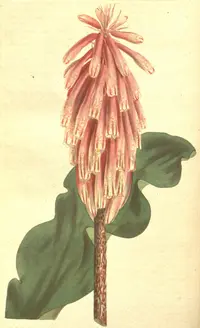
Quarobe, Veltheimia capensis, is a bulb-forming flowering plant from South Africa, often grown as a decorative pot plant indoors. It produces a rosette of glossy, wavy leaves and a tall, dense spike of tubular pink flowers that appear above the foliage.
In nature it grows in dry, rocky habitats with a marked summer-dormant, winter-growing cycle. This seasonal rhythm, along with its bulb storage organ, makes it relatively long-lived but slightly unusual for beginners.
It prefers bright, indirect light, airy, fast-draining soil, and careful watering that avoids waterlogged conditions. Understanding this dormancy pattern is the key to how to care for Quarobe.

Care Difficulty
Moderate Care

Light Preference
Partial Shade

Water Requirements
Moderate Water

Temperature Preference
Tropical / Frost Sensitive

Hardiness Zone
9–11

Soil Texture
Sandy, Loamy, Organic-rich

Soil pH
Slightly acidic (6.5–7.0), Neutral (7.0)

Soil Drainage
Well-drained

Fertilization
Light (every 4–6 weeks)
Scan your plant to receive care tips personalized for your specific plant
Available on iOS and Android
This South African bulb prefers bright, soft light that mimics an open, lightly shaded habitat.
This bulb follows a winter-growing, summer-dormant cycle, so watering must match its seasonal rhythm.
This species grows best in mild, dry, Mediterranean-type conditions with cool winters and warm, not extreme, summers.
This bulb tolerates typical indoor humidity and rarely needs special humidity management.
This bulb needs very free-draining, airy soil that dries quickly around the roots to prevent rot.
This species is well-suited to container growing when drainage and bulb position are managed carefully.
Veltheimia capensis benefits from light, controlled feeding to support flowering without over-enriching the soil.
Veltheimia capensis needs minimal pruning, mainly to keep the plant clean and support bulb health.
Container-grown plants appreciate spacious, stable conditions, so repot Veltheimia capensis only when clearly root-bound.
This bulb is usually propagated by offsets, with seed used mainly for patient growers or breeding work.
This species dislikes hard frost, so winter care focuses on keeping bulbs cool, dry, and above freezing.

Plant Health Check
Not sure what's wrong with your plant? Check your plant's health inside the app.
This species naturally grows in the cool, wet South African winter and enters complete dormancy in the hot, dry summer, allowing the underground bulb to survive extended drought in its native habitat.
The leaves often show distinctive purple or maroon speckling and slightly wavy margins, a combination that makes the rosette visually striking even before the flower spike appears.
Its dense spikes of hanging, tubular pink to salmon flowers are adapted for bird pollination in its Cape habitat, offering nectar while protecting reproductive parts from rain and direct sun.

Veltheimia capensis is considered one of the few true winter-growing bulb species from the arid western parts of South Africa’s Cape region, timing its entire life cycle to the short, cool, and relatively wet season when most surrounding vegetation is still sparse.
Lack of a cool, dry rest period is the most common reason. Bulbs need a defined dormant phase, then gradual watering and brighter conditions. Overly deep planting, heavy feeding, or very low light can also reduce flowering.
Keep your plants happy and healthy with plant identification, disease detection, and easy care guidance.