mountain celery Care (Aciphylla glacialis)

mountain celery

About mountain celery

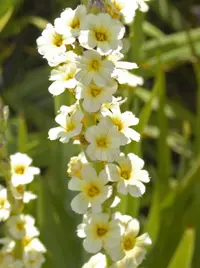
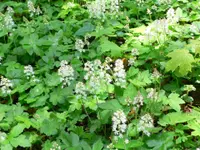
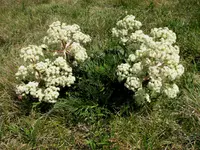
Mountain celery, Aciphylla glacialis, is a hardy perennial herb native to alpine regions of southeastern Australia. It forms clumps of stiff, finely divided, often spiky foliage. Tall flower stalks rise above the foliage with dense clusters of small, yellowish flowers, giving the plant a strong vertical accent in rocky or gravelly sites. In the wild it grows in high-altitude grasslands and open, exposed slopes, tolerating wind, cold, and poor soils. These adaptations make it tough but slow to establish in gardens, so it suits patient growers familiar with cool-climate perennials. Understanding how to care for mountain celery helps match it with well-drained soil, strong light, and consistent but not excessive moisture.

Main Plant Requirements

Care Difficulty

Hard Care

Light Preference

Full Sun

Water Requirements

Low Water

Temperature Preference

Cold Hardy

Hardiness Zone

4–7

Soil Texture

Sandy, Loamy, Rocky

Soil pH

Acidic (5.5–6.5), Slightly acidic (6.5–7.0)

Soil Drainage

Well-drained

Fertilization

Minimal (feed rarely)

Get Personalized Care Plan

Scan your plant to receive care tips personalized for your specific plant

Available on iOS and Android

How to Care for the mountain celery

This alpine perennial favours strong light with some protection from harsh summer extremes.

  • Provide 6–8 hours of direct sun in cool or high-altitude climates; in hotter lowland sites, focus on morning sun with light afternoon shade.
  • Tolerates light partial shade, but flowering and compact growth decline if it receives under 4 hours of direct sun daily.
  • In intense summer sun, especially in dry or reflective sites, excess exposure can scorch foliage, so use nearby rocks or grasses to create brief afternoon shade for mountain celery.

This species prefers cool, moist, but sharply drained conditions that mimic alpine screes.

  • Water only when the top 3–5 cm of soil feel dry, then soak thoroughly so water drains away quickly through the gritty substrate.
  • In spring and early summer, monitor more often during active growth; reduce watering in late summer and winter, allowing the soil surface to dry a little deeper between soakings.
  • Yellowing, soft crowns and a sour smell indicate overwatering or poor drainage, while limp, browning leaf tips and very light, dusty soil signal that Aciphylla glacialis is too dry.

This cold-adapted alpine plant tolerates low temperatures but dislikes prolonged heat and humidity.

  • Optimal growth occurs around 45–65°F (7–18°C), with cool nights that resemble its native high-mountain climate.
  • Mature plants typically survive drops to about 5–10°F (-15 to -12°C) if soil is well drained; extended freeze-thaw in wet ground increases crown rot risk.
  • Heat above 80–85°F (27–29°C), especially with warm nights, can stress plants, so provide extra shade, mulch to moderate soil temperature, and avoid reflected heat in summer.

Humidity is not a major factor for Aciphylla glacialis, which is adapted to cool, dry alpine air.

  • Aim for 30–50% humidity, similar to typical indoor air in temperate homes.
  • Plant tolerates dry air well, but prolonged hot, stagnant rooms can cause browning tips and slowed growth.
  • Increase air movement with a small fan rather than misting, which offers little benefit and can encourage fungal issues.

Aciphylla glacialis prefers lean, sharply drained, mineral soils that never stay waterlogged.

  • Use a gritty mix such as 40% coarse sand, 30% fine gravel or grit, and 30% low-nutrient compost or loam.
  • Ensure very fast drainage; water should pass through within seconds, leaving the mix just slightly moist, not wet.
  • Aim for slightly acidic to neutral pH around 6.0–7.0, avoiding strongly acidic or strongly alkaline substrates.
  • Avoid heavy clay, peat-heavy, or high-organic potting mixes that compact, retain water, and restrict root aeration.

This species can be grown in containers if given a deep, very free-draining setup that mimics alpine conditions.

  • Choose a tall, heavy container so the long taproot can develop while the pot remains stable in wind.
  • Fill the bottom third with coarse gravel to prevent fine particles from blocking drainage holes over time.
  • Use unglazed clay pots outdoors to allow faster evaporation, which helps prevent root rot in wet climates when caring for mountain celery.

Aciphylla glacialis is adapted to low-nutrient alpine soils and needs only modest feeding in cultivation.

  • Use a light top-dressing of compost or a low-dose, slow-release balanced NPK (around 10-10-10) in early spring.
  • Apply fertilizer once per growing season for outdoor plants; container-grown mountain celery may benefit from a second, light midsummer feed.
  • Dilute any liquid balanced fertilizer to 25–50% strength to avoid root burn and lush, weak growth.
  • Stop feeding in late summer so plants can harden off before winter dormancy.

Aciphylla glacialis needs minimal pruning, mainly to keep the clump clean and healthy.

  • Best timing is late winter to early spring before new growth starts.
  • Remove dead, damaged, or diseased foliage with clean, sharp hand pruners or scissors.
  • Thin out congested, older leaves at the base to improve air flow and maintain a neat, open rosette form.
  • Avoid heavy cutting into the crown, as this can slow recovery and reduce flowering.

This species is usually grown in the ground; transplanting young plants is preferable to frequent repotting.

  • Transplant in early spring or early fall, when temperatures are mild and soil is workable.
  • Look for signs such as roots circling the pot, drying out quickly, or stalled growth in containers.
  • Move plants with a generous soil root ball, disturbing roots as little as possible to limit transplant shock.
  • Water thoroughly after planting, then keep soil lightly moist and shaded for 3–5 days to support recovery.

Aciphylla glacialis is most often propagated from seed, which requires patience and cool conditions.

  • Sow fresh seed in late summer to fall outdoors or in a cold frame to allow natural winter chilling.
  • Provide a well-drained, gritty mix and keep evenly moist, not waterlogged, during germination.
  • Expect slow, irregular germination; some seeds may sprout only after 1–2 cold cycles.
  • Transplant seedlings carefully when they have several true leaves, avoiding damage to the taproot.

This alpine species is cold hardy and usually needs little special winter care in the ground.

  • Tolerates hard frost when planted in well-drained, gritty soil that prevents waterlogging.
  • Apply a thin gravel or coarse sand mulch around the crown to keep the root zone free-draining.
  • In very wet winter climates, use a rain shield or raised bed to reduce crown rot risk.
  • Move container plants to a cold, bright, frost-free spot, ensuring the root ball does not stay saturated.

Care Tips

Rocky mound planting

Plant on a slight gravelly mound or raised rock pocket so meltwater and rain drain away quickly, which reduces crown rot in wet seasons.

Snow cover management

In heavy-snow regions, site plants where snow accumulates evenly and melts gradually, since prolonged ice crusting or compacted snow directly on the crown can damage new shoots.

Wind exposure use

Position plants in a naturally breezy or open spot to keep foliage dry and discourage fungal issues, as this alpine species is adapted to constant air movement.

Grit mulch collar

After planting, top-dress around the crown with a 2–3 cm layer of sharp grit or small gravel to keep the neck of the plant dry and reduce slug and snail activity.

Summer stress reduction

In hotter lowland gardens, place the plant on a slight north- or east-facing slope or behind low rocks to give root shade and cooler soil, which greatly improves success when growing mountain celery outside its native range.

Common Pests and Diseases

Celery aphids

These insects cluster on young leaves and flower stalks, sucking sap and causing distortion, yellowing, and sticky honeydew that can attract sooty mold.

Solution

Hose off colonies with a firm stream of water, then treat remaining clusters with insecticidal soap or a light horticultural oil, ensuring good coverage of leaf undersides. Encourage natural predators such as lady beetles by avoiding broad-spectrum insecticides nearby.

Celery rust

This disease causes small orange to brown pustules on leaves and stems, leading to premature yellowing and reduced vigor, especially in cool, moist conditions.

Solution

Remove and dispose of affected foliage, avoid overhead watering, and improve air circulation around plants. In areas with repeated issues, apply a sulfur or copper-based fungicide preventively during cool, wet periods following label directions.

Leaf spot

This disease produces small water-soaked or brown spots on foliage that may enlarge, merge, and cause partial dieback of leaf segments under prolonged wetness.

Solution

Cut off and discard infected leaves, water at the base early in the day, and maintain good spacing to reduce leaf wetness duration. In persistent cases, use a registered fungicide for foliar leaf spots and rotate planting areas to reduce pathogen carryover.

Crown borers

These insects tunnel into the crown and lower stems, causing wilting, stunted growth, and sometimes sudden collapse of individual rosettes.

Solution

Inspect crowns regularly and remove and destroy any plants with clear tunneling damage to limit spread. Keep surrounding vegetation trimmed to reduce habitat for adult stages and, where allowed, use targeted soil or crown-applied biological controls such as nematodes around affected clumps.

Interesting Facts

Alpine snow specialist

This species is native to high-altitude, rocky slopes of the Australian Alps, often growing near persistent snow patches where temperatures stay low and soils are shallow and stony.

Rosette survival strategy

It forms dense, spiky rosettes of rigid, divided leaves that hug the ground, a growth form that helps reduce wind damage and conserve heat in an exposed alpine environment.

Umbel flowering habit

Like many members of the carrot family (Apiaceae), it produces its small yellowish flowers in compound umbels, which offer a broad landing platform attractive to a range of alpine pollinating insects.

FAQs about mountain celery

Flowering is often reduced by excessive nitrogen, shade, or heat. This alpine species forms flowers best in high light, cool summers, and free-draining, low-fertility soil. Crowding and root disturbance also reduce bloom, so divide or move it carefully.

Grow Healthy Plants with Botan Care

Keep your plants happy and healthy with plant identification, disease detection, and easy care guidance.

Botan plant care app — identify plants on mobile

Explore More Plants