blue daisy Care (Felicia amelloides)

Also known as: Coastal Blue Felicia, Blue Marguerite, Blue Feliciabush, Shrubby Felicia, Bush Felicia, Blue Felicia, Blue Daisybush, Paris Daisy
blue daisy

About blue daisy

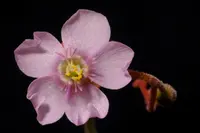
Blue daisy, Felicia amelloides, is a compact, mounding perennial often grown as an annual in cooler climates. It is valued for its clear sky-blue, daisy-like flowers with yellow centers held above small, tidy green leaves.

This plant comes from coastal areas of South Africa, where it grows in sunny, well-drained sites with mild conditions. It generally has a long blooming season when light is strong and soil is not waterlogged.

Blue daisy is considered relatively easy to grow but needs consistent sun, good drainage, and regular deadheading to look its best. Gardeners looking to care for blue daisy should note that it does not tolerate heavy shade or persistently wet soil.

Main Plant Requirements

Care Difficulty

Moderate Care

Light Preference

Full Sun

Water Requirements

Moderate Water

Temperature Preference

Tropical / Frost Sensitive

Hardiness Zone

9–11

Soil Texture

Sandy, Loamy, Organic-rich

Soil pH

Acidic (5.5–6.5), Slightly acidic (6.5–7.0)

Soil Drainage

Well-drained

Fertilization

Light (every 4–6 weeks)

Get Personalized Care Plan

Scan your plant to receive care tips personalized for your specific plant

Available on iOS and Android

How to Care for the blue daisy

Felicia amelloides performs best in bright, direct light for strong flowering and compact growth.

  • Provide 6–8 hours of sun daily, ideally with full morning sun and lighter afternoon exposure, especially in hotter regions.
  • Tolerates light afternoon shade; in very hot climates, protect blue daisy from harsh sun after 2–3 p.m. to reduce leaf scorch and faded blooms.
  • In spring and fall, allow more direct sun; in peak summer, consider filtered light during the hottest hours to prevent stress and wilting.

Watering should keep the soil slightly moist but never saturated, with short dry periods between soakings.

  • Water when the top 3–5 cm of soil feels dry, applying enough to moisten the full root zone, then let excess drain freely.
  • In active growth and bloom, drying happens faster; in cooler months, extend the interval between waterings to avoid root rot.
  • Signs of overwatering include yellowing, soft stems, and a sour smell; underwatering shows as limp, dull leaves and quick wilting after sun exposure.

This plant prefers mild, frost-free conditions with stable, moderate temperatures for best flowering.

  • Ideal growth occurs around 60–75°F (16–24°C), supporting steady foliage and flower production through the main growing season.
  • Tolerates brief dips to about 40°F (4°C) but is damaged by frost; prolonged exposure below 32°F (0°C) usually kills top growth.
  • Handles dry heat up to about 85–90°F (29–32°C) if soil moisture is maintained; above this, flowering slows and plants may scorch without some afternoon shade.

Felicia amelloides handles a wide humidity range and usually does not need special humidity management.

  • Performs well at 30–50% humidity, similar to most heated or air‑conditioned homes.
  • Tolerates dry air without major stress, as long as watering and light are appropriate.
  • If foliage browns at tips and soil is not staying dry, use a pebble tray or group plants to slightly raise humidity for blue daisy.

Felicia amelloides prefers light, free-draining soil that stays slightly moist but never waterlogged.

  • Use a sandy or loamy base with coarse texture so water drains within a few minutes of watering.
  • Mix roughly 2 parts all‑purpose potting mix with 1 part coarse sand and 1 part perlite to improve aeration and prevent soggy roots.
  • Aim for slightly acidic to neutral pH, around 6.0–7.0, avoiding strongly alkaline or salty soils.
  • Avoid heavy clay, compacted ground, or peat‑only mixes that hold water for long periods and suffocate roots.

This species grows well in containers when drainage and root space are carefully managed.

  • Choose a wide, shallow pot to accommodate its spreading root system and reduce the risk of the plant becoming top‑heavy in wind.
  • Select a rigid, heavier material such as ceramic or thick plastic to keep the container stable as stems elongate and flower.
  • Ensure multiple drainage holes and raise the pot slightly on feet or bricks so excess water exits quickly and does not pool under the base.

Felicia amelloides responds well to light, consistent feeding during the main growing season.

  • Use a balanced, water-soluble NPK fertilizer at half strength every 2–4 weeks from spring to early fall.
  • Alternatively, apply a thin layer of compost or a low-dose slow-release fertilizer at the start of spring.
  • Always water before and after feeding to limit root burn and improve nutrient uptake.
  • Stop fertilizing in late fall and winter when growth slows, especially for indoor blue daisy plants.

Felicia amelloides benefits from light, timely pruning to stay compact and blooming well.

  • Use clean, sharp scissors or hand pruners to avoid tearing stems and spreading disease.
  • In late winter or early spring, shorten leggy shoots to shape the mound and encourage dense new growth.
  • Throughout the growing season, remove spent flower stems and any dead or damaged branches to extend flowering.
  • Thin crowded interior stems to improve airflow, which helps limit mildew and keeps foliage healthier.

Container-grown Felicia amelloides needs occasional repotting or transplanting to maintain vigorous growth.

  • Check for roots circling the pot, pushing through drainage holes, or noticeably slower growth as signals to move up 1 pot size.
  • Repot in early spring every 1–2 years, using a free-draining mix and a container with ample drainage holes.
  • Slide the plant out gently, loosen outer roots lightly, and trim only broken or rotten roots to reduce stress.
  • Water thoroughly after repotting, then keep in bright, sheltered light for 3–7 days while roots re-establish.

Felicia amelloides is commonly propagated by softwood cuttings and also from seed.

  • Take 7–10 cm softwood cuttings in late spring or early summer from non-flowering shoots.
  • Remove lower leaves, dip the cut end in rooting hormone, and place in a moist, free-draining, sterile mix.
  • Keep cuttings in bright, indirect light at 65–75°F with high humidity until roots form in 3–5 weeks.
  • Sow seeds in spring on the surface of light seed compost, keep slightly moist, and provide gentle warmth for germination.

Felicia amelloides is only mildly frost tolerant and benefits from simple winter protection in cooler climates.

  • In regions below about 25°F, treat outdoor plants as tender perennials or short-lived bedding and replant as needed.
  • For in-ground plants, add a light mulch layer around the root zone, keeping it just clear of the stems.
  • Move container plants indoors before frost, placing them in bright light and watering sparingly during winter.
  • Remove any blackened or mushy growth after cold spells to reduce disease and encourage healthy regrowth in spring.

Care Tips

Pinch For Bushiness

Regularly pinch back the soft tips of young shoots every 2–3 weeks in spring to promote a compact, branching plant with many more flowering stems.


Deadhead With Precision

Remove spent flower heads by cutting the stem just above a healthy leaf node, which encourages continuous blooming and reduces the chance of unwanted self-seeding.

Protect From Wind Rock

In exposed sites, place low decorative edging or short stakes around the plant to reduce wind rock, which can loosen roots and shorten the plant’s productive life.

Rotate Container Position

If grown in pots, rotate containers by 90° every 1–2 weeks so all sides receive similar light, preventing the plant from leaning and keeping the canopy evenly covered in flowers.

Seasonal Renewal Cutback

In mild climates, give established plants a harder trim by one-third in late winter, then top-dress with fresh potting mix so the plant can regrow dense, vigorous shoots for the next season when growing blue daisy.

Common Pests and Diseases

Aphids

These insects cluster on young stems and flower buds, sucking sap and causing distorted growth and sticky honeydew on blue daisy foliage and blooms.

Solution

Spray infested shoots with a firm jet of water, then treat remaining colonies with insecticidal soap or a ready-to-use neem oil spray, repeating every 5–7 days until new growth appears clean; remove heavily infested shoot tips to reduce reinfestation.

Spider mites

These pests thrive in hot, dry conditions, causing fine stippling on leaves, dulling of foliage color, and fine webbing between leaves and stems.

Solution

Increase humidity around plants, hose down the foliage thoroughly (including undersides), and apply insecticidal soap or a miticidal neem product at 5–7 day intervals until damage stops and new leaves emerge unmarked; in severe outdoor cases, remove and discard badly affected plants to protect nearby ornamentals.

Powdery mildew

This disease appears as white, powdery patches on leaves and stems, often starting on crowded or shaded plants and leading to yellowing and premature leaf drop.

Solution

Improve air circulation by thinning or spacing plants, avoid overhead watering, remove and discard affected leaves, and treat the remaining foliage with a sulfur or potassium bicarbonate fungicide labeled for ornamentals, repeating according to label directions at the first sign of new spotting; these steps form the core of reliable Felicia amelloides care instructions for disease prevention.

Botrytis blight

This disease causes soft, water-soaked spots on petals and leaves that quickly develop gray, fuzzy mold, especially during cool, damp weather or prolonged rain.

Solution

Promptly remove spent or moldy flowers and any affected foliage, avoid wetting blooms when watering, and improve air movement around plants; in persistent conditions, apply a fungicide labeled for botrytis on ornamental bedding plants and avoid dense mass plantings that stay wet for long periods.

Leaf spots

Symptoms include small brown, tan, or purplish spots on leaves that may merge into larger blotches, leading to partial defoliation in humid or overhead-irrigated plantings.

Solution

Remove and discard spotted leaves, water at the base of the plant to keep foliage dry, and space plants to dry quickly after rain; if spotting continues, use a copper-based or chlorothalonil fungicide labeled for ornamental leaf spots, starting early in the season when first specks appear.

Interesting Facts

Naturally coastal specialist

This species is native to coastal areas of South Africa and is naturally adapted to windy, salty conditions on rocky slopes and dunes, which explains its strong performance in seaside gardens in mild climates.

Blue and yellow contrast

The flowers have a clear sky-blue corolla surrounding a bright yellow central disc, a color combination that is particularly attractive to many bee species, enhancing its role as a nectar and pollen source in ornamental plantings.

Compact, woody subshrub

Although often treated as a bedding annual, this plant is actually a short-lived, woody-based perennial subshrub that forms a low, bushy mound with many branching stems in frost-free regions.

FAQs about blue daisy

Lack of flowers usually comes from insufficient light, excessive nitrogen fertilizer, or old, spent stems. Deadhead faded blooms, avoid high-nitrogen feeds, and trim back leggy growth to encourage new, flower-producing shoots.

Grow Healthy Plants with Botan Care

Keep your plants happy and healthy with plant identification, disease detection, and easy care guidance.

Botan plant care app — identify plants on mobile

Explore More Plants