Controlled pot sizing
Use a relatively small, heavy pot with good drainage and only step up 1–2 in at a time, as slightly tight root space keeps stems firmer and reduces the risk of overwatering in a large soil volume.

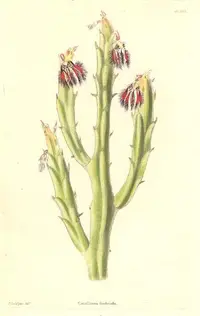
Caralluma adscendens is a small, leafless succulent from arid regions of India and nearby areas. It forms upright, fleshy, four-angled stems that grow in low clumps. Star-shaped flowers, often dull purple or brownish, appear along the stems and can have a slightly unpleasant scent that attracts pollinating insects. This species is adapted to strong sun, heat, and drought, storing water in its stems. These traits make it relatively forgiving if the soil drains very well and watering stays light. For growers interested in how to care for Caralluma adscendens, it responds best to bright light, minimal moisture, and a gritty, cactus-style substrate.

Care Difficulty
Moderate Care

Light Preference
Full Sun

Water Requirements
Low Water

Temperature Preference
Tropical / Frost Sensitive

Hardiness Zone
10–11

Soil Texture
Sandy, Loamy, Rocky

Soil pH
Slightly acidic (6.5–7.0), Neutral (7.0)

Soil Drainage
Well-drained

Fertilization
Minimal (feed rarely)
Scan your plant to receive care tips personalized for your specific plant
Available on iOS and Android
This drought-tolerant succulent needs strong light to maintain compact, healthy growth.
This species stores water in its stems and must dry well between waterings to avoid root damage.
This plant prefers warm, dry conditions and is sensitive to cold and prolonged damp.
This species prefers dry indoor air and does not need extra humidity.
Use a very fast-draining, gritty mix to prevent root and stem rot.
This succulent is well suited to container growing when excess water can escape quickly.
This drought-adapted succulent has low nutrient needs, so fertilization should stay light and infrequent.
Pruning is minimal and mainly used to keep this succulent compact and healthy.
This species prefers a stable root environment and only needs infrequent repotting in well-drained containers.
This succulent is commonly multiplied from stem cuttings taken during warm, active growth.
Cool, dry rest in winter is important, as this succulent is not tolerant of prolonged cold and wet conditions.

Plant Health Check
Not sure what's wrong with your plant? Check your plant's health inside the app.
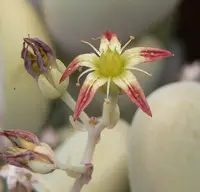
This species produces small star-shaped flowers with a maroon to purple interior and pale margins, typical of many stapeliads, which belong to a group of succulent milkweed relatives adapted to arid habitats.
The flowers emit a faint carrion-like odor that attracts specific pollinating flies, an example of sapromyiophily, where plants mimic decaying organic matter to ensure pollination.
In parts of India, the fleshy stems of this species are traditionally eaten cooked or pickled as a seasonal or famine food, and have also been investigated in modern research for their potential as a low-calorie vegetable.

Caralluma adscendens often grows as a clumping succulent along rocky outcrops and dry scrub in its native range, where its compact, water-storing stems allow it to survive intense heat and long dry periods that exclude many non-succulent species.
Lack of flowering often relates to insufficient light intensity, cool temperatures, or irregular dry rest periods. Older stems bloom more reliably. Avoid frequent repotting and heavy feeding, which can promote vegetative growth instead of flower production.
Keep your plants happy and healthy with plant identification, disease detection, and easy care guidance.