Sedum griseum Care

Sedum griseum

About Sedum griseum

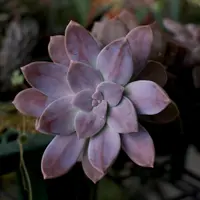
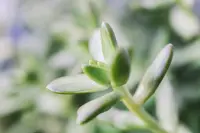
Sedum griseum is a small, clumping succulent known for its compact rosettes and fleshy, gray-green leaves. It forms low mats that suit rock gardens, troughs, and containers.

This species is native to rocky, well-drained habitats, where it experiences strong light and irregular rainfall. Its drought tolerance and slow, steady growth make it relatively easy to maintain for most home growers.

When you care for Sedum griseum, focus on bright light, excellent drainage, and modest watering. These traits make it suitable for beginners who prefer a low-maintenance succulent with a neat, structured look.

Main Plant Requirements

Care Difficulty

Easy Care

Light Preference

Full Sun

Water Requirements

Low Water

Temperature Preference

Cold Hardy

Hardiness Zone

5–9

Soil Texture

Sandy, Loamy, Rocky

Soil pH

Slightly acidic (6.5–7.0), Neutral (7.0)

Soil Drainage

Well-drained

Fertilization

Minimal (feed rarely)

Get Personalized Care Plan

Scan your plant to receive care tips personalized for your specific plant

Available on iOS and Android

How to Care for the Sedum griseum

This sun-loving succulent thrives with bright, direct exposure in most climates.

  • Provide 6–8 hours of direct sun daily, with morning sun and light afternoon shade preferred in hot summers to limit leaf scorch.
  • Plant Sedum griseum in an open, unshaded spot outdoors; it tolerates light partial shade but becomes more open and less compact if light drops below about 4 hours.
  • In cooler seasons, full sun all day is ideal, while in intense summer heat use light shade cloth or nearby taller plants to soften harsh afternoon rays.

This drought-tolerant species prefers infrequent, deep watering in fast-draining soil.

  • Allow the top 3–5 cm of soil to dry completely before watering, then soak the root zone once, avoiding repeated light sprinkling that encourages shallow roots.
  • In spring and summer growth, expect to water only when foliage looks slightly less turgid and the soil feels dry well below the surface, especially in sandy beds.
  • Reduce watering sharply in fall and winter; watch for yellowing, mushy leaves as a sign of overwatering and wrinkled, shriveling leaves as a sign of underwatering in Sedum griseum.

This hardy succulent tolerates a wide temperature range but dislikes prolonged, deep freezes.

  • Aim for active growth in 60–80°F (16–27°C), where stems stay compact and foliage color remains strong.
  • Mature plants typically handle short dips to about 10–15°F (−12 to −9°C) in well-drained soil, but young plants benefit from protection from hard frost and icy wind.
  • In hot climates with temperatures above 90°F (32°C), provide excellent airflow and light afternoon shade to reduce heat stress and prevent sunburned foliage.

This species prefers dry air and humidity rarely limits Sedum griseum care.

  • Target a humidity range around 30–50%, similar to typical indoor and outdoor air in many homes.
  • Dry air is well tolerated; leaves stay firm and compact unless other stresses such as overwatering are present.
  • Humidity stress appears more as rot in persistently damp, stagnant air; increase airflow rather than raising humidity.

This plant needs fast-draining, mineral-rich soil to prevent root rot.

  • Use a gritty, sandy mix such as 50–60% mineral components (pumice, coarse sand, small gravel) with 40–50% cactus or succulent potting mix.
  • Aim for slightly acidic to neutral pH around 6.0–7.0, which supports balanced nutrient availability for Sedum griseum.
  • Improve aeration and drainage by avoiding fine peat-heavy mixes that compact and instead adding coarse particles at least 3–5 mm in size.
  • Avoid water-retentive garden loam, clay, or unamended compost that keeps roots wet for more than 1 day after watering.

This species is well suited to container growing, especially in shallow, wide pots that match its spreading habit.

  • Choose a pot just 2–4 cm wider than the root mass so the mix dries predictably and does not stay wet in unused corners.
  • Select unglazed terracotta if extra evaporation is needed in cool or humid climates, or a heavier ceramic pot in windy sites for stability.
  • Raise the container on pot feet or bricks so drainage holes stay clear and runoff can escape quickly after rain or watering.

This drought-tolerant succulent needs only light feeding to maintain compact, healthy growth.

  • Use a balanced liquid fertilizer (around 10-10-10) diluted to 25–50% strength during active growth.
  • Feed Sedum griseum once in late spring and again in midsummer if growth appears weak or soil is very poor.
  • Avoid high-nitrogen lawn fertilizers, which cause soft, leggy growth and reduce drought tolerance.
  • Stop feeding in late summer so new growth hardens before cold weather; do not fertilize in winter.

Sedum griseum responds well to light structural pruning that keeps the mat dense and tidy.

  • Best time for pruning is early spring, before strong new growth, or right after flowering.
  • Snip off dead, damaged, or leggy stems with clean, sharp scissors or bypass pruners.
  • Thin crowded areas lightly to improve air flow and maintain a low, even form.
  • Shear back spent flower stems to encourage fresh foliage and reduce self-seeding if unwanted.

This sedum prefers to stay slightly root-bound and needs infrequent repotting or transplanting.

  • Check for roots circling the drainage holes, slow growth, or soil that dries within 1 day as signs to move Sedum griseum.
  • Plan repotting or garden transplanting in spring, every 3–4 years for containers or when clumps outgrow their space.
  • Choose a shallow, wide pot or sunny, well-drained site with gritty soil to limit waterlogging stress.
  • Handle roots gently, tease circling roots lightly, water once to settle soil, then let the mix dry between waterings.

This species is commonly multiplied to expand groundcover patches or share plants.

  • Use stem cuttings in late spring or summer; allow cut ends of Sedum griseum to callus for 1–2 days before planting.
  • Set cuttings in a gritty, barely moist mix and keep in bright, indirect light until roots form.
  • Divide mature clumps in spring by lifting, gently separating offsets, and replanting at the same depth.
  • Sow seeds on the surface of well-drained mix, keep lightly moist, and provide bright light with mild warmth around 65–75°F.

This hardy succulent usually needs minimal winter attention in temperate climates.

  • Sedum griseum tolerates light to moderate frost once established, especially in sharply drained soil.
  • Apply a thin gravel or stone mulch to keep crowns dry while allowing good air flow around stems.
  • For containers in very cold regions, move pots to a cold, bright, frost-free spot or insulate the container sides.

Care Tips

Rocky topdressing

Apply a 0.5–1 in layer of small gravel around the crown to keep stems dry at the base, reduce splash-back during rain, and discourage rot in compact rosettes.

Controlled spreading

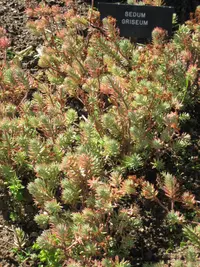
Lift and trim back outer creeping stems every 1–2 years, then replant only the healthiest sections to maintain a dense, tidy mat and prevent overcrowding of older, woody growth.

Winter rain management

In regions with wet winters, grow plants in slightly raised berms or shallow mounds so excess cold water drains away quickly and roots are less exposed to prolonged saturation.

Targeted pest checks

Inspect leaf joints and sheltered stem sections a few times each growing season for aphids or mealybugs, and remove early with a strong water spray or alcohol-dipped cotton swab before colonies expand.

Propagation renewal

Regularly root 2–4 in stem tip cuttings in the same gritty mix and use these to replace any older, leggy sections, which keeps the overall planting young and is an efficient method for caring for Sedum griseum over many years.

Common Pests and Diseases

Mealybugs

This pest feeds on succulent leaves and stems, causing pale, stunted growth and sticky honeydew that can attract sooty mold. Symptoms include white, cottony clusters in leaf axils and along stems.

Solution

Isolate the plant and remove visible insects with a cotton swab dipped in 70% isopropyl alcohol, then rinse the foliage gently. For heavier infestations, use a ready-to-use insecticidal soap or neem oil spray every 7–10 days, keeping the plant in bright, airy conditions to reduce reinfestation while caring for Sedum griseum.

Aphids

These insects cluster on new growth and flower stems, sucking sap and causing distortion, curling, and sticky residues. Symptoms include deformed tips and a sheen of honeydew that may lead to black sooty mold on the foliage.

Solution

Spray the plant thoroughly with a strong stream of water to dislodge colonies, focusing on undersides of leaves and tender shoots. Follow up with insecticidal soap or a light horticultural oil, repeating at 5–7 day intervals until no new aphids appear and encouraging beneficial insects outdoors by avoiding broad-spectrum chemicals.

Fungal leaf spots

This disease appears in humid or poorly ventilated conditions as small, tan to brown spots that may coalesce on older leaves. Symptoms include localized lesions that can cause premature leaf drop if moisture remains on foliage for long periods.

Solution

Remove and discard affected leaves, then improve air circulation and avoid overhead watering so foliage dries quickly. If spotting continues, apply a sulfur-based or copper-based fungicide labeled for ornamentals, treating during dry weather and spacing plants to reduce future outbreaks.

Stem and crown rot

This disease occurs when the soil stays wet and cool, leading to blackened, soft stems at the base and sudden collapse of shoots. Symptoms include a foul smell at the crown and tissue that turns mushy and detaches easily from the roots.

Solution

Discard severely affected plants, as rot pathogens persist in wet soil and spread quickly. For mild cases, cut away all soft tissue back to firm, healthy growth, re-root clean stem cuttings in sharply draining, gritty substrate, and adjust watering so the soil dries fully between light irrigations.

Spider mites

These insects thrive in hot, dry conditions, causing fine stippling, dull coloration, and very fine webbing on the undersides of leaves. Symptoms include a dusty appearance and slowed growth as sap is removed from the succulent foliage.

Solution

Rinse the plant under a gentle but thorough stream of water, especially the undersides of leaves, to remove mites and webbing. Increase humidity slightly around the plant without overwatering the soil, and apply insecticidal soap or a light horticultural oil every 7–10 days until new growth appears clean and mite-free.

Interesting Facts

High-altitude rock specialist

Sedum griseum is native to rocky slopes and cliffs in Mexico, typically growing in shallow, mineral-rich soils where few other species can persist.

Compact mat-forming habit

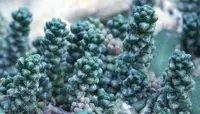
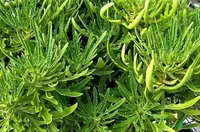
This species forms low, dense mats of small, succulent leaves, an adaptation that reduces water loss and allows it to tolerate intense sun and rapid temperature shifts.

Seasonal foliage color shift

Its normally gray-green, waxy foliage can develop reddish or purplish tones under strong light, a response linked to increased production of protective pigments called anthocyanins.

FAQs about Sedum griseum

This species forms low, slowly spreading clumps rather than running aggressively. It may widen over time by short stems and self-seeding, but is usually easy to control with occasional thinning or lifting of unwanted offsets.

Grow Healthy Plants with Botan Care

Keep your plants happy and healthy with plant identification, disease detection, and easy care guidance.

Botan plant care app — identify plants on mobile

Explore More Plants