Bonsai Stonecrop Care (Crassula sarcocaulis)

Bonsai Stonecrop

About Bonsai Stonecrop

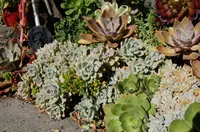
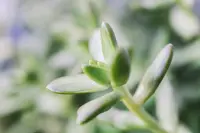
Bonsai stonecrop, Crassula sarcocaulis, is a compact succulent shrub that forms woody, branching stems topped with small, fleshy leaves. It often develops a miniature tree-like shape, which makes it popular for rock gardens, containers, and small indoor displays.

This species is native to rocky, high-altitude areas of southern and eastern Africa, where it copes with strong sun, cool nights, and limited water. Its drought tolerance, slow to moderate growth, and general toughness mean it is usually straightforward to grow once its basic needs are met.

To care for Bonsai Stonecrop, provide bright light, gritty fast-draining soil, and allow the root zone to dry between waterings to avoid rot and keep the plant compact.

Main Plant Requirements

Care Difficulty

Easy Care

Light Preference

Full Sun

Water Requirements

Low Water

Temperature Preference

Cold Hardy

Hardiness Zone

6–9

Soil Texture

Sandy, Loamy, Rocky

Soil pH

Slightly acidic (6.5–7.0), Neutral (7.0)

Soil Drainage

Well-drained

Fertilization

Minimal (feed rarely)

Get Personalized Care Plan

Scan your plant to receive care tips personalized for your specific plant

Available on iOS and Android

How to Care for the Bonsai Stonecrop

Crassula sarcocaulis thrives in bright, direct light but needs protection from extreme heat in harsh climates.

  • Provide 4–6 hours of direct morning sun, plus bright indirect light for the rest of the day, especially in spring and fall.
  • In hotter regions, give Bonsai Stonecrop light shade or filtered sun from midday to late afternoon to prevent leaf scorch and bleaching.
  • In lower light (under 3–4 hours direct sun), stems may stretch and flowering decreases, so consider a brighter site during winter.

This drought-tolerant succulent prefers infrequent, deep watering with fast-drying soil.

  • Allow the top 3–5 cm of soil to dry completely before watering, then soak the root zone and let excess water drain away.
  • Reduce watering in fall and winter, waiting for the soil to dry almost fully; increase slightly during active growth in spring and early summer.
  • Watch for yellow, soft, or splitting stems as signs of overwatering, and wrinkling or limp, thin leaves as signs of underwatering in Crassula sarcocaulis.

This species prefers moderate warmth and tolerates cool, dry conditions better than prolonged humidity.

  • Aim for 65–80°F (18–27°C) during active growth, with good air movement to reduce fungal issues in dense foliage.
  • It tolerates brief drops to about 25°F (-4°C) if dry, but repeated freezes or wet cold can damage roots and stems.
  • In hot spells above 90°F (32°C), provide light shade and avoid reflected heat from walls or paving to prevent stress and leaf drop.

This species handles typical home humidity well, so moisture in the air is rarely a concern.

This succulent needs a very fast-draining, mineral-based substrate to protect its roots from rot.

  • Use a gritty mix such as 50–70% inorganic particles (pumice, coarse sand, or small gravel) blended with cactus potting mix.
  • Aim for a loose, crumbly structure that does not compact, so oxygen reaches the fine roots easily.
  • Keep pH slightly acidic to neutral, around 6.0–7.0, avoiding strongly acidic or alkaline substrates that limit nutrient uptake.
  • Avoid moisture-retentive mixes with high peat or clay content, which hold water around the roots for more than 1–2 days.

This compact shrub is well suited to container culture, including Bonsai Stonecrop forms.

  • Choose a low, wide pot that balances the woody, branching top growth and reduces the risk of tipping in wind.
  • Use a container material like unglazed terracotta if faster moisture loss is needed, or glazed ceramic if conditions are very dry.
  • Select a pot only 2–4 cm wider than the root mass to keep the substrate volume small enough to dry rapidly between waterings.

Crassula sarcocaulis has modest nutrient needs but responds well to light feeding during active growth in spring and summer.

  • Use a diluted balanced liquid fertilizer (for example 10-10-10) at 1/4–1/2 strength for Bonsai Stonecrop in containers.
  • Feed every 4–6 weeks during the growing season, only on moist soil to avoid root burn.
  • Skip or greatly reduce fertilization in winter when growth slows or pauses.
  • Avoid rich compost or heavy slow-release products that keep soil wet or encourage weak, elongated growth.

Pruning Crassula sarcocaulis helps maintain a compact, branching form and supports good light penetration.

  • Carry out light pruning in late winter or early spring before strong new growth begins.
  • Remove dead, damaged, or crossing stems first, then thin crowded interior shoots.
  • Shorten overly long stems to a node to encourage branching and a denser, bonsai-like outline.
  • Use sharp, clean scissors or pruning snips and allow cut surfaces to dry to limit disease risk.

Crassula sarcocaulis prefers slightly tight containers and does not need frequent repotting.

  • Repot every 2–3 years in spring when roots circle the pot, emerge from drainage holes, or growth slows.
  • Choose a shallow, well-drained container and a gritty succulent mix to limit waterlogging.
  • Gently loosen the root ball, remove a small amount of old soil, and trim any dead or rotten roots.
  • Water lightly after repotting, then let the mix dry between waterings to reduce transplant stress.

Crassula sarcocaulis is commonly propagated from stem cuttings, with high success under warm, bright, dry-leaning conditions.

  • Take 5–8 cm non-flowering stem cuttings in late spring or early summer, using clean scissors.
  • Let cut ends callus for 1–3 days to reduce rot, then insert into a dry, gritty succulent mix.
  • Keep in bright, indirect light at 68–75°F, misting the soil surface lightly rather than soaking.
  • Division of small clumps is also possible in spring, separating offsets with intact roots.

This species is relatively cold tolerant but benefits from simple winter care, especially in containers.

  • In the ground, it tolerates light frost; add a thin gravel or bark mulch around the base in colder areas.
  • Avoid waterlogged soil in winter, as cold combined with excess moisture increases root rot risk.
  • Move container plants to a bright, cool, frost-free spot indoors or under shelter when hard freezes are expected.

Care Tips

Root-zone aeration

After several years in the same pot, gently loosen the outer 0.5–1 in of the rootball with a chopstick during repotting to improve air flow and reduce the risk of root rot in this woody succulent.

Controlled branching

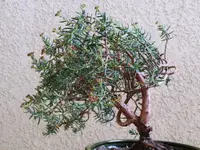
When new shoots reach 5–7 cm, pinch just the soft tips with clean fingers or fine scissors to encourage dense branching and a miniature tree form instead of a few tall, bare stems.

Trunk stabilization

If the plant develops a top-heavy canopy, use a small gravel mulch layer and a discrete stake tied with soft horticultural tape to keep the woody base stable while new roots anchor it more firmly.

Winter light adjustment

In winter, move the plant to the brightest available position and rotate the pot by 90° every 1–2 weeks to keep the canopy evenly shaped and prevent weak, one-sided growth during low-light months.

Preventing mealybug pockets

Inspect the crotches where twigs meet the main stems every few weeks and use a cotton swab with 70% isopropyl alcohol to remove any early mealybugs before they spread into the dense branch structure common when caring for Bonsai Stonecrop.

Common Pests and Diseases

Mealybugs

This pest feeds on succulent stems and leaf joints, often hiding in the plant’s woody branching structure. Symptoms include white cottony clusters, sticky honeydew, and slow, weakened growth.

Solution

Isolate the plant, then dab visible insects with cotton swabs dipped in 70% isopropyl alcohol and repeat weekly until gone. For heavier infestations, combine mechanical removal with a systemic insecticide labeled for succulents and improve light and air movement to make conditions less favorable for re‑infestation.

Aphids

These insects cluster on tender new growth and flower stalks, sucking sap and causing distorted leaves and sticky honeydew deposits. Ants are often attracted to the honeydew and may protect the aphids.

Solution

Rinse the plant thoroughly with a firm stream of water outdoors to dislodge colonies, then apply an insecticidal soap or neem oil spray to young stems and undersides of leaves, repeating every 5–7 days as needed. Reducing excess nitrogen fertilization and improving sun exposure makes the plant less attractive to aphids and supports long‑term Crassula sarcocaulis plant care.

Spider mites

This pest thrives in hot, dry conditions and can appear on compact, shrubby plants kept in full sun. Symptoms include fine webbing, stippled leaves, and a dull, dusty appearance to foliage.

Solution

Hose the plant thoroughly, focusing on the undersides of leaves and dense branching areas to remove mites and webbing. If needed, follow with a miticidal soap or horticultural oil labeled for mites and increase ambient humidity slightly or reduce heat stress while keeping the soil on the dry side.

Powdery mildew

This disease appears as white, powdery patches on leaves and young stems, especially when nights are cool and air circulation is poor. Symptoms include dull foliage, slight leaf distortion, and reduced vigor.

Solution

Remove and discard the most affected leaves to reduce spore load, then improve air movement and avoid wetting the foliage, especially in the evening. If the problem persists, apply a sulfur or potassium bicarbonate fungicide labeled for ornamentals, following label directions and treating surrounding plants that show early symptoms.

Interesting Facts

Woody succulent shrub

This species develops a true woody trunk and branches while still storing water in its thick leaves and stems, giving it a bonsai-like appearance as it matures.

High-altitude origins

It is native to rocky slopes of southern and eastern Africa, where it often grows at higher elevations in shallow, stony soils exposed to strong light and significant temperature swings.

Night-flowering scent

The small star-shaped flowers open in clusters and release a noticeable sweet fragrance, which tends to be stronger in the evening and at night, likely attracting nocturnal pollinators.

Botan icon

Did you know?

In some parts of its native range this species naturally forms miniature, tree-like clumps rooted in rock crevices, which has made it a favored model species among enthusiasts who want to grow Crassula sarcocaulis as a true bonsai-style succulent.

FAQs about Bonsai Stonecrop

Flowering depends on maturity, seasonal light, and a brief cool rest period. If conditions stay warm and uniform year‑round, it may produce few or no flowers despite otherwise healthy growth.

Grow Healthy Plants with Botan Care

Keep your plants happy and healthy with plant identification, disease detection, and easy care guidance.

Botan plant care app — identify plants on mobile

Explore More Plants