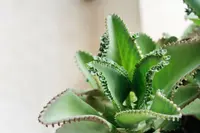
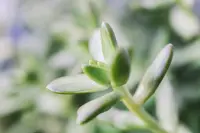
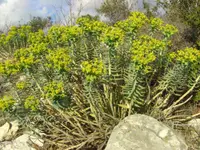
Sedum furfuraceum Care

Sedum furfuraceum

About Sedum furfuraceum

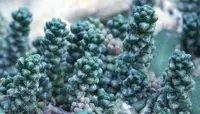
Sedum furfuraceum is a small, slow-growing succulent from Mexico, often called bonsai sedum. It forms low, branching clusters of thick, knobbly leaves that can show red or brown tints in strong light. Over time, stems become woody and give the plant a miniature shrub appearance, which suits small pots and dish gardens. It prefers bright, indirect sun, lean gritty soil, and careful watering that allows the roots to dry between waterings. Its drought tolerance and compact growth habit make it a relatively easy plant for beginners who want to learn how to care for Sedum furfuraceum.


Main Plant Requirements

Care Difficulty

Easy Care

Light Preference

Full Sun

Water Requirements

Low Water

Temperature Preference

Tropical / Frost Sensitive

Hardiness Zone

10–11

Soil Texture

Sandy, Loamy, Rocky

Soil pH

Acidic (5.5–6.5), Slightly acidic (6.5–7.0)

Soil Drainage

Well-drained

Fertilization

Minimal (feed rarely)

Get Personalized Care Plan

Scan your plant to receive care tips personalized for your specific plant

Available on iOS and Android

How to Care for the Sedum furfuraceum

This succulent prefers bright conditions with some protection from harsh midday sun.

  • Provide 4–6 hours of direct morning sun plus bright, indirect light for the rest of the day for compact, colorful growth.
  • Tolerates light afternoon sun in mild climates, but in hot, dry regions use filtered light or light shade after 1–2 p.m. to prevent leaf scorch.
  • If stems of Sedum furfuraceum stretch or lose color, increase light gradually over 7–10 days to avoid sunburn.

This drought-tolerant plant prefers infrequent, deep watering in fast-draining soil.

  • Water only when the top 2–4 cm of soil are completely dry; in warm growing seasons this may mean every 7–14 days depending on climate and soil mix.
  • Reduce watering in cooler months to every few weeks, keeping the soil almost dry to lower rot risk during slower growth.
  • Watch for wrinkling, soft leaves as a sign of underwatering, and for mushy, translucent leaves or a sour soil smell as early signs of overwatering.

This species thrives in warm, dry conditions and dislikes hard frost.

  • Aim for 65–80°F (18–27°C) during active growth for best vigor and steady leaf production.
  • Tolerates short dips to about 30–32°F (-1–0°C), but repeated or hard frost can damage tissues; in cold climates, provide cover or move containers to a frost-free spot.
  • Handles heat up to 90–95°F (32–35°C) if soil drains well and airflow is good; avoid combining intense heat with prolonged overhead watering to limit rot.

This species handles low household humidity and rarely needs special humidity management.

Sedum furfuraceum needs very fast-draining, mineral-based soil to prevent root rot.

  • Use a gritty mix such as 50–60% cactus/succulent mix blended with coarse sand, pumice, or perlite for sharp drainage.
  • Aim for slightly acidic to neutral pH around 6.0–7.0, avoiding heavy peat-based mixes that stay wet for long periods.
  • Increase aeration by adding 30–40% inorganic grit; the mix should feel loose, crumbly, and never compacted.
  • Avoid dense, clay-heavy, or water-retentive garden soil, which promotes root rot and stem base collapse in containers.

This species is well suited to container culture, including small pots and dish gardens.

  • Choose a shallow, wide container that matches its spreading habit so stems can trail without crowding the root zone.
  • Select a pot material that dries quickly, such as unglazed terracotta, to prevent moisture buildup around succulent roots.
  • Elevate the pot slightly on risers so drainage holes stay clear and excess water can leave the container rapidly.

This compact succulent needs only light feeding to stay healthy and prevent lanky growth.

  • Use a balanced liquid fertilizer (around 10-10-10 or 20-20-20) diluted to 25–50% strength for Sedum furfuraceum in active growth.
  • Feed once every 4–6 weeks during spring and summer, after thoroughly watering the soil.
  • Skip fertilizer in fall and winter when growth slows to avoid soft, weak tissues.
  • Avoid rich compost or heavy slow-release pellets, which can cause root rot in this drought-adapted plant.

Pruning is mainly used to keep this small sedum compact and to remove weak growth.

  • Best time for light pruning is late winter to early spring, before strong new growth begins.
  • Snip off dead, shriveled, or damaged stems with clean, sharp scissors or small pruners.
  • Trim leggy or crowded stems back to a node to encourage branching and a denser shape in Sedum furfuraceum.
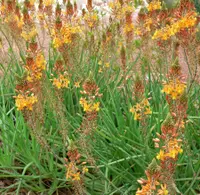
  • Remove spent flower stalks at the base to maintain a tidy appearance and reduce disease risk.

This species prefers slightly tight quarters and only occasional repotting in a very free-draining mix.

  • Repot every 2–3 years or when roots circle the pot, growth slows, or soil stays wet too long.
  • Choose late spring as the best time, when active growth helps the plant recover quickly from root disturbance.
  • Use a shallow container with large drainage holes and a gritty cactus-succulent mix to limit water retention.
  • Gently loosen the root ball, remove old, compacted soil, replant at the same depth, then keep slightly dry for 5–7 days to reduce stress.

This sedum is commonly multiplied from stem or leaf cuttings under warm, bright conditions.

  • Take 3–6 in stem cuttings or individual leaves in spring or early summer for fastest rooting.
  • Allow cut surfaces to callus for 1–2 days to lower the risk of rot before planting.
  • Set cuttings on or slightly into a dry, gritty succulent mix, then mist lightly until roots form.
  • Provide bright, indirect light and temperatures around 70–75°F; reduce watering once new growth shows that roots have developed.

This succulent dislikes prolonged frost and benefits from basic winter protection in colder climates.

  • Sedum furfuraceum is best kept above 32°F; brief light frost may mark leaves and tips.
  • Move container plants indoors or into a bright, frost-free greenhouse before hard freezes.
  • In winter, give maximum light, keep soil almost dry, and avoid cold drafts or very damp air.

Care Tips

Segmented propagation

When stems become leggy or top-heavy, cut them into 5–7 cm segments, let the pieces callus for 2–3 days, then lay them on slightly moist gritty mix so multiple new plants root along the nodes and the mother plant can be restarted more compactly.

Controlled hanging habit

If grown in a hanging pot, periodically rotate the container and gently redirect young stems over the rim so they drape evenly and do not tangle or shade each other excessively, which maintains good light exposure and airflow along the whole plant.

Salt buildup management

Every 3–4 months, thoroughly flush the potting mix with plain water until it runs freely from the drainage holes to remove accumulated fertilizer salts that can burn succulent roots in this species.

Winter light adjustment

In winter, move the plant to the brightest available window or under a grow light and reduce handling, since short days combined with disturbance can cause pale, stretched growth that is slow to correct in Sedum furfuraceum indoor care.

Targeted pest checks

Inspect stem joints and the underside of older leaves every 2–3 weeks, using a cotton swab dipped in 70% isopropyl alcohol to remove any early mealybug or scale infestations before they lodge in the tight leaf clusters.

Common Pests and Diseases

Mealybugs

This pest feeds on succulent stems and leaf joints, often appearing as white, cottony clusters that can stunt growth and cause leaf drop.

Solution

Isolate the plant, then dab visible insects with cotton swabs dipped in 70% isopropyl alcohol and rinse the plant gently after treatment; repeat weekly until no new clusters appear and improve air circulation and light to discourage reinfestation.

Aphids

These insects cluster on tender new growth and flower stalks, sucking sap and causing distorted leaves, sticky honeydew, and sometimes sooty mold on the waxy foliage.

Solution

Spray the plant with a strong but controlled stream of water to dislodge colonies, then apply an insecticidal soap or diluted neem oil to all stem surfaces, repeating every 5–7 days until the population is controlled.

Spider mites

This pest thrives in hot, dry indoor air and causes fine stippling, dulling of the leaf surface, and delicate webbing between clustered cylindrical leaves.

Solution

Increase humidity around the plant without wetting the soil excessively, rinse stems thoroughly under lukewarm water, and apply insecticidal soap or a miticide labeled for ornamental succulents, treating all sides of the stems and repeating as needed.

Powdery mildew

This disease can appear as white, powdery patches on the leaf surfaces when air movement is low and humidity fluctuates, leading to weakened tissue over time.

Solution

Remove heavily affected stems, improve spacing and airflow around the plant, keep foliage dry, and use a sulfur-based or potassium bicarbonate fungicide labeled for ornamentals if new white patches continue to form.

Interesting Facts

Pinecone-like stems

This species forms short, upright succulent stems densely packed with overlapping leaves, giving mature clumps a pinecone or hop-cone appearance that is quite distinct among sedums.

Papery, scaly leaf surface

The leaves often develop a fine, flaky, furfuraceous surface (from which the species name comes), creating a dull, slightly rough texture instead of the glossy look common in many other succulents.

Unusual branching clusters

Stems tend to branch near the base and then elongate into compact heads, so established plants can form tight, rounded cushions rather than long trailing mats more typical of many related species.

FAQs about Sedum furfuraceum

This species forms a slowly expanding, clumping mat and is not considered aggressive. It spreads mainly by short, branching stems and occasional fallen leaves that root. Regular pruning keeps it compact and prevents it from crowding neighboring plants.

Grow Healthy Plants with Botan Care

Keep your plants happy and healthy with plant identification, disease detection, and easy care guidance.

Botan plant care app — identify plants on mobile

Explore More Plants