Rotate for symmetry
Turn the pot 90° every 1–2 weeks during active growth so rosettes develop evenly and do not lean permanently toward the brightest side.

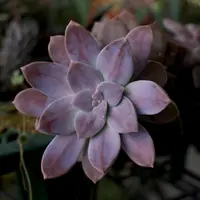
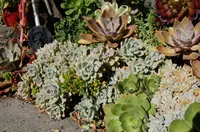
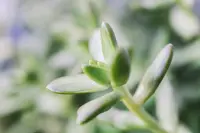
Graptopetalum superbum is a compact, rosette-forming succulent from rocky areas of Mexico. It stores water in its thick, pastel-colored leaves and tolerates dry indoor air. The plant often develops tight, low clusters that slowly spread, with foliage shades ranging from silvery lavender to pinkish tones depending on light.
Its growth is relatively slow and stays neat, which suits windowsills and small containers. Flowers appear on slender stalks and add ornamental value without needing heavy care.
This species is considered easy to grow for most home gardeners. Bright light, sharply draining soil, and careful watering are the main points to understand when learning how to care for Graptopetalum superbum.

Care Difficulty
Easy Care

Light Preference
Full Sun

Water Requirements
Low Water

Temperature Preference
Warm Climate

Hardiness Zone
9–11

Soil Texture
Sandy, Loamy, Rocky

Soil pH
Slightly acidic (6.5–7.0), Neutral (7.0)

Soil Drainage
Well-drained

Fertilization
Minimal (feed rarely)
Scan your plant to receive care tips personalized for your specific plant
Available on iOS and Android
This succulent needs bright, mostly direct light to keep compact rosettes and good color.
Watering should be infrequent and based on soil dryness, not a fixed schedule.
Stable, mild warmth supports steady growth and reduces stress for this succulent.
This species thrives in dry household air and does not need elevated humidity.
Use a very fast-draining, mineral-heavy mix to prevent root and stem rot.
This succulent is very suitable for container growing due to its compact, shallow root system.
This succulent grows well with very light feeding, so focus on modest, occasional nutrients rather than heavy fertilizer use.
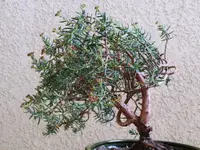
This plant needs minimal pruning, mainly to maintain a compact, healthy rosette display.
Container-grown plants benefit from occasional repotting into fresh, fast-draining mix to maintain root health.
This species is commonly multiplied from stem and leaf cuttings rather than from seed in home settings.
This succulent prefers cool, dry winter conditions and is not suited to prolonged hard frost without protection.

Plant Health Check
Not sure what's wrong with your plant? Check your plant's health inside the app.
The rosettes can shift from soft lavender-gray to warmer pinkish tones depending on sun intensity and temperature, due to protective plant pigments called anthocyanins that increase under higher light and stress.
This species is naturally found on rocky slopes and cliffs in central Mexico, where it anchors in thin crevices with very little organic soil and survives prolonged dry periods.
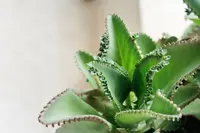
Individual leaves detach relatively easily from the rosette and can root and form new plants along the leaf base, a vegetative propagation strategy that helps the species spread on unstable rocky substrates and makes growing Graptopetalum superbum from leaves straightforward under cultivation.
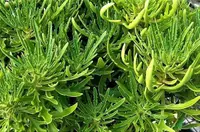
Leggy, stretched rosettes usually form when light is too low and stems elongate toward the brightest source. Rotate the pot, move it to a brighter position, and take stem cuttings to re-root more compact rosettes over time.
Keep your plants happy and healthy with plant identification, disease detection, and easy care guidance.