Strategic sucker management
Remove root suckers during late spring by cutting them flush with the soil rather than pulling, which protects the main root system and keeps the tree from wasting energy on unwanted shoots.

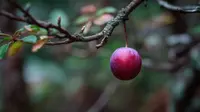
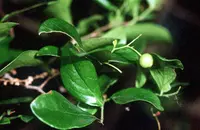
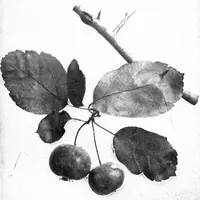
American plum, Prunus americana, is a hardy deciduous shrub or small tree native to much of North America. It typically forms thickets or grows as a single-stemmed tree with a rounded crown and white spring blossoms followed by red to yellow edible plums.
This species commonly occurs along woodland edges, prairies, fencerows, and stream banks, tolerating a range of soils but preferring well-drained sites. It is generally easy to grow for gardeners who can provide full sun, moderate moisture, and space for suckering shoots. Understanding how to care for American plum starts with recognizing its vigorous root system and tendency to form colonies over time.

Care Difficulty
Easy Care

Light Preference
Full Sun

Water Requirements
Moderate Water

Temperature Preference
Cold Hardy

Hardiness Zone
3–8

Soil Texture
Sandy, Loamy, Clay

Soil pH
Acidic (5.5–6.5), Slightly acidic (6.5–7.0)

Soil Drainage
Moist but well-drained

Fertilization
Minimal (feed rarely)
Scan your plant to receive care tips personalized for your specific plant
Available on iOS and Android
This species thrives as a sun-loving, cold-hardy fruit tree in open landscapes.
This species prefers evenly moist, well-drained soil rather than constant saturation.
This hardy tree is adapted to cold winters and moderate summers in temperate climates.
Humidity is rarely limiting for this hardy, outdoor fruit tree in typical North American climates.
This species prefers moderately fertile, well-drained mineral soil and tolerates a range of textures if water does not stand around the roots.
This tree can be grown in containers for several years, but long-term culture is challenging due to its eventual size and root vigor.
Wild-type Prunus americana often grows well in average soils but benefits from modest feeding in poor or very depleted sites.
Prunus americana responds well to light, structured pruning that improves strength and fruiting.
This species is usually grown in the ground; management focuses on transplanting young trees rather than long-term container culture.
New Prunus americana plants are most commonly produced from seed or by using natural suckers from existing trees.
This cold-hardy native tolerates typical winters in much of North America and generally needs minimal winter care.

Plant Health Check
Not sure what's wrong with your plant? Check your plant's health inside the app.
American plum readily hybridizes with other native plums, such as Prunus angustifolia and Prunus nigra, and has been used in breeding programs to develop cold-hardy cultivated plums for northern climates.
This species is native to much of central and eastern North America and tolerates very low winter temperatures, which makes it a valuable genetic resource for Prunus americana care instructions in colder regions.
It spreads by root suckers, often forming dense thickets that stabilize soil and provide important cover and nesting habitat for birds and small mammals.

American plum was widely planted along early Midwestern farmstead windbreaks and fencerows, where its dense, thorny thickets functioned as living fences while also supplying edible fruit for households and wildlife.
The fruits are edible and commonly used for fresh eating, jams, jellies, and sauces. Flavor ranges from sweet to tart. Only the ripe flesh should be eaten, as the pits and wilted leaves contain cyanogenic compounds.
Keep your plants happy and healthy with plant identification, disease detection, and easy care guidance.