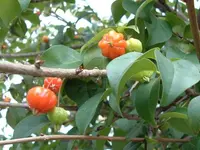
Japanese plum Care (Prunus salicina)

Also known as: Chinese plum
Japanese plum

About Japanese plum

Japanese plum, Prunus salicina, is a small deciduous fruit tree grown for its juicy, sweet to tart plums. It typically has a rounded crown, smooth grayish bark, and simple green leaves that turn yellow in fall.

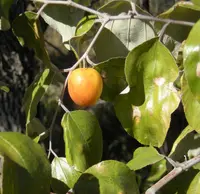
In late winter or early spring it produces abundant white blossoms, followed by colorful fruits ranging from yellow to deep red or purple. The tree originates from China and Japan but is now widely cultivated in temperate regions.

It is moderately easy to grow if given full sun, reasonably fertile, well-drained soil, and protection from late frosts. Understanding how to care for Japanese plum helps maintain good flowering, fruiting, and overall tree health.

Main Plant Requirements

Care Difficulty

Moderate Care

Light Preference

Full Sun

Water Requirements

Regular Water

Temperature Preference

Cool Climate

Hardiness Zone

5–9

Soil Texture

Sandy, Loamy, Clay

Soil pH

Acidic (5.5–6.5), Slightly acidic (6.5–7.0)

Soil Drainage

Moist but well-drained

Fertilization

Minimal (feed rarely)

Get Personalized Care Plan

Scan your plant to receive care tips personalized for your specific plant

Available on iOS and Android

How to Care for the Japanese plum

This fruit tree needs strong light for flowering and fruiting but benefits from some protection in hot climates.

  • Provide 6–8 hours of direct sun daily, ideally with full morning sun and light afternoon shade in hot regions.
  • Tree tolerates light partial shade (3–4 hours sun), but Japanese plum will produce fewer flowers and fruits in lower light.
  • In very hot summers, protect from intense late-afternoon sun to reduce leaf scorch and fruit sunburn, especially on young trees.

This tree prefers evenly moist, well-drained soil and does not tolerate prolonged drought or standing water.

  • Water deeply when the top 5–8 cm of soil feels dry, aiming to moisten the root zone 20–30 cm deep rather than giving light, frequent splashes.
  • Increase watering during dry, hot weather and the fruiting period; reduce frequency in cool seasons while preventing the root area from fully drying out.
  • Watch for yellowing leaves and soft, cracked bark as signs of overwatering, and for curled, dry leaves and small fruit drop as signs of underwatering in Prunus salicina.

This species is a temperate fruit tree that needs cool winters and mild to warm growing seasons.

  • Active growth and fruit development occur best around 65–80°F (18–27°C), with good performance in most temperate orchard climates.
  • Dormant trees tolerate winter lows near 0°F (−18°C) once established, but late spring frosts around 28°F (−2°C) can damage blossoms and young fruit.
  • In summer, trees handle short heat waves up to about 95°F (35°C) if soil moisture is maintained; prolonged higher heat can stress foliage and reduce fruit quality.

This species grows best in outdoor conditions where moderate ambient humidity is sufficient.

  • Target 40–60% humidity, which is typical of most temperate outdoor climates during the active growing season.
  • Trees tolerate short dry-air spells if soil moisture is consistent, but extended hot, very dry wind can stress foliage and young fruit.
  • Watch for leaf edge browning, rolling, and premature leaf drop as humidity-stress signals, and use windbreaks or nearby planting to slightly shelter Japanese plum.

Prunus salicina prefers deep, well-draining, moderately fertile mineral soil.

  • Use a loamy structure with a mix of sand, silt, and some clay, amended with 20–30% compost to improve water retention and nutrient supply.
  • Aim for slightly acidic to neutral pH, around 6.0–7.0, and avoid strongly alkaline sites that can lead to nutrient lockout and chlorosis.
  • Ensure rapid drainage by avoiding compacted or heavy clay; incorporate coarse sand or fine gravel to reduce waterlogging risk around the root zone.
  • Improve aeration by double-digging or broadforking before planting, breaking large clods and removing debris that could impede root spread.

This plum can be grown in containers when given enough root space and careful water management.

  • Choose a large, deep, heavy pot (at least 50–60 L) so the root system can anchor the tree and the container does not tip in wind.
  • Select a thick-walled, non-glazed clay or concrete container if possible, which moderates root temperature and slightly increases evaporation from the potting mix.
  • Elevate the pot on feet or bricks to keep drainage holes clear so excess irrigation and rainwater leave the container quickly, preventing root rot.

This Japanese plum responds well to moderate, targeted feeding during the growing season.

  • Use a balanced slow-release fertilizer (around 10-10-10) or well-rotted compost in early spring as buds swell.
  • Apply once in early spring and again in mid-summer if growth or leaf color is weak, avoiding late-season feeding.
  • Keep granular products away from the trunk flare and water in thoroughly after application.
  • Reduce or stop fertilizing in late summer and winter to prevent soft, frost-prone growth.

Pruning supports healthy structure, fruiting, and light penetration in Prunus salicina.

  • Carry out main pruning in late winter while the tree is dormant and branch structure is visible.
  • Remove dead, diseased, crossing, or inward-growing branches to improve airflow and light distribution.
  • Shorten overly vigorous upright shoots to maintain a balanced, open canopy and manageable height.
  • Use clean, sharp bypass pruners or loppers, making cuts just above a bud or branch collar.

This plum is usually grown in-ground, so focus on thoughtful transplanting rather than frequent repotting.

  • Transplant young trees in late winter or early spring before active growth, ideally every 3–5 years if relocating.
  • Look for signs such as circling roots in a container, water running off quickly, or stalled growth before moving a Prunus salicina.
  • Dig a wide planting hole, loosen encircling roots gently, and keep the root flare at soil level to limit stress.
  • Water deeply after transplanting, apply a 5–8 cm mulch ring, and reduce canopy lightly only if roots were heavily disturbed.

New Prunus salicina trees are most reliably produced by grafting onto suitable rootstocks.

  • Use winter hardwood cuttings or late-summer semi-ripe cuttings with bottom heat and high humidity for experimental rooting.
  • Sow cleaned seeds outdoors in fall or after cold stratification to break dormancy, expecting variable seedlings.
  • Graft named cultivars onto compatible rootstocks in late winter, aligning cambium layers for good union.
  • Keep all propagules in well-drained, disease-free medium and protect young plants from waterlogging and strong sun.

Mature Prunus salicina is generally cold hardy in suitable climates but benefits from simple winter care.

  • Mulch the root zone with 5–8 cm of organic material, keeping it a few cm away from the trunk.
  • Wrap young trunks with tree guards or breathable wraps in cold regions to reduce bark cracking and rodent damage.
  • For container-grown trees, move pots into an unheated garage or sheltered spot where temperatures stay above about 25°F.

Care Tips

Summer shoot thinning

In early summer, selectively remove crowded water sprouts and inward-growing green shoots to improve air flow through the canopy and reduce fungal disease pressure on fruit and leaves.

Fruit thinning timing

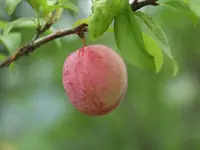
When young fruits reach about marble size, leave 7–10 cm between plums on each branch to prevent limb breakage, improve fruit size, and reduce biennial bearing.

Branch angle training

During the first 2–3 years, gently spread steep upright branches using soft ties or limb spreaders to achieve 45–60° angles, which strengthens branch attachment and encourages earlier, heavier cropping.

Trunk and scaffold protection

In hot or high-sun regions, apply a commercial tree paint or 1:1 interior white latex paint and water mix to the south- and west-facing trunk and main limbs to prevent sunscald and bark cracking.

Targeted pest monitoring

Hang simple sticky traps and regularly inspect shoot tips and fruitlets so that any plum curculio, aphid, or scale infestation is detected early, allowing for precise treatment instead of broad, repeated spraying when caring for Japanese plum.

Common Pests and Diseases

Brown rot

This disease causes blossom blight, shoot dieback, and brown, rotting fruit that often shrivels and mummifies on the tree. Symptoms include tan to brown spots on flowers and fruit, frequently covered with grayish fungal spores.

Solution

Remove and destroy infected fruit, blossoms, and twigs promptly and prune to keep the canopy open for good airflow. Avoid wetting flowers and foliage when irrigating and apply a labeled copper or synthetic fungicide during bloom and pre-harvest periods if brown rot has been a problem in previous seasons.

Plum curculio

This pest is a small beetle whose larvae tunnel inside young fruit, causing misshapen plums, premature fruit drop, and internal feeding damage. Symptoms include crescent-shaped egg-laying scars on the fruit surface.

Solution

Collect and destroy dropped fruit throughout early summer to reduce larvae and future beetle populations. Thin and remove scarred fruit early, use trunk banding or tree shaking onto a sheet in the cool morning to capture adults, and in high-pressure areas consider a timed insecticide program targeting adults just after petal fall, following local extension guidelines for growing Japanese plum.

Aphids

These insects feed on tender shoots and the undersides of leaves, causing curling, distortion, and sticky honeydew that can lead to sooty mold. This pest often clusters on new growth and can weaken young trees if populations are high.

Solution

Spray infested shoots with a strong stream of water to dislodge aphids and prune out heavily infested tips if practical. Encourage natural predators such as lady beetles, and if needed use insecticidal soap or horticultural oil, applied thoroughly to leaf undersides in the early morning or evening.

Bacterial canker

This disease causes sunken, dark lesions on branches and trunk, gumming (amber sap exudation), and dieback of shoots and spurs. Symptoms include leaf spot, shot-hole appearance, and sudden wilting or death of young branches, especially in early spring.

Solution

Prune out affected limbs during dry weather, cutting well below visible symptoms, and disinfect pruning tools between cuts. Avoid heavy nitrogen fertilization, prevent mechanical injuries, and select well-drained sites; in areas with a history of bacterial canker, consider copper-based dormant sprays as recommended by local extension services.

Shot hole disease

This disease produces small reddish or purplish leaf spots that dry out and fall away, leaving clean round holes, and can also cause spotting on fruit and young twigs. Symptoms include premature leaf drop when infections are severe, which can stress the tree over time.

Solution

Rake and remove fallen leaves and prunings to reduce overwintering spores and prune to improve light penetration and air movement through the canopy. Avoid overhead irrigation, especially in the evening, and use a labeled copper or other recommended fungicide during wet spring periods if shot hole has been severe in previous years.

Interesting Facts

Hybrid origin history

Japanese plum is not a true wild species in orchards but a domesticated group derived mainly from Prunus salicina and related East Asian plum taxa that were selected and hybridized over centuries in China and Japan for fruit size, flavor, and early ripening.

Very early flowering

This species flowers very early in spring, often before leaves emerge, which makes it valuable for early-season pollinators but also highly vulnerable to late frosts that can damage blossoms and reduce fruit set.

Key breeding parent

Japanese plum has been used extensively in modern breeding programs, especially in the United States, as a parent in many commercial plum and pluot cultivars because of its firm flesh, bright skin colors, and adaptability to different climates.

Botan icon

Did you know?

The global commercial plum industry relies heavily on Japanese plum genetics, with most fresh-market plums sold in supermarkets worldwide being derived mainly from Prunus salicina rather than from European plum species.

FAQs about Japanese plum

Lack of flowers often comes from insufficient winter chill, too much shade, heavy pruning at the wrong time, or nutrient imbalance. Avoid removing wood formed last year, and ensure adequate cold exposure and balanced fertilization for reliable blossom set.

Grow Healthy Plants with Botan Care

Keep your plants happy and healthy with plant identification, disease detection, and easy care guidance.

Botan plant care app — identify plants on mobile

Explore More Plants