black chokeberry Care (Aronia melanocarpa)

black chokeberry

About black chokeberry

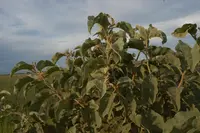
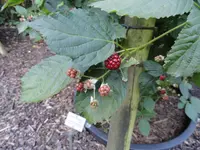
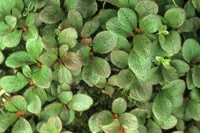
Black chokeberry, Aronia melanocarpa, is a hardy deciduous shrub valued for edible berries and strong cold tolerance. It usually forms a dense, upright clump with glossy green leaves that turn red in fall.

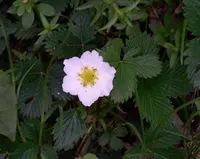
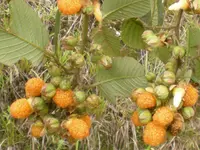
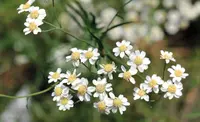
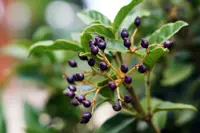
In spring it carries clusters of small white flowers, followed by dark purple to almost black fruits. Birds and pollinators often visit the shrub.

This species is native to eastern North America, where it grows in open woods, bog edges, and moist fields. Its adaptability to different soils and moisture levels makes it relatively straightforward to care for black chokeberry in gardens and landscapes.

It prefers sun to light shade and slightly moist, well-drained soil, but established plants tolerate wind, short dry periods, and urban conditions well.

Main Plant Requirements

Care Difficulty

Easy Care

Light Preference

Full Sun

Water Requirements

Moderate Water

Temperature Preference

Cold Hardy

Hardiness Zone

3–8

Soil Texture

Sandy, Loamy, Clay

Soil pH

Acidic (5.5–6.5), Slightly acidic (6.5–7.0)

Soil Drainage

Moist but well-drained

Fertilization

Minimal (feed rarely)

Get Personalized Care Plan

Scan your plant to receive care tips personalized for your specific plant

Available on iOS and Android

How to Care for the black chokeberry

This shrub fruits and colors best with plenty of direct light but tolerates some shade.

  • Provide 6–8 hours of direct sun daily; morning sun with light afternoon shade works well in hot summer regions.
  • It tolerates partial shade (about 3–4 hours of direct sun), but black chokeberry may flower and fruit less in deeper shade.
  • Avoid dense shade under large trees; in low light, expect leggy growth, weak stems, and reduced autumn color.

This species prefers consistently moist, not saturated, soil once established outdoors.

  • Water when the top 3–5 cm of soil feels dry, then soak the root zone deeply rather than giving light, frequent splashes.
  • Ensure free-draining but moisture-retentive soil; standing water or heavy clay that stays soggy promotes root rot and leaf yellowing.
  • During the first 1–2 growing seasons, monitor closely in hot, dry weather; wilting, curled leaves, and dry soil signal the need for a thorough watering.

This hardy shrub tolerates a wide temperature range but grows most actively in mild conditions.

  • Optimal growth occurs around 60–75°F (16–24°C) during the main growing season, with good shoot and root development.
  • Plants are cold-hardy to about -30°F (-34°C) once established, so typical winter frosts do not require protection in most temperate regions.
  • Summer heat up to about 85–90°F (29–32°C) is tolerated if soil moisture is maintained; prolonged hotter spells increase water stress and may scorch exposed leaves.

Humidity is rarely a limiting factor for Aronia melanocarpa in typical outdoor conditions.

Aronia melanocarpa grows best in moderately moist, well-drained mineral soils.

  • Use loamy or sandy loam soil with some organic matter to support steady moisture without waterlogging.
  • Aim for slightly acidic to neutral pH around 5.5–7.0, avoiding highly alkaline or saline sites.
  • In containers or improved beds, blend native soil with compost and a small portion of coarse sand for structure.
  • Avoid heavy, compacted clay; incorporate compost and coarse sand or fine gravel to improve aeration and drainage.

This species can be grown in containers with attention to root space and moisture control.

  • Choose a deep, heavy container to anchor the shrub and prevent tipping in wind as it matures.
  • Select thick-walled or insulated pots in hot climates to reduce root overheating and moisture swings.
  • Raise the container slightly on pot feet so drainage holes stay clear and excess water exits quickly.

This shrub is not demanding, but moderate feeding supports fruiting and overall vigor when growing black chokeberry in poor or depleted soil.

  • Apply a balanced slow-release fertilizer (around 10-10-10) once in early spring as new growth begins.
  • In richer garden soil, use a light layer of compost instead of granular fertilizer to avoid excess vigor.
  • Use about half the label-recommended rate for established shrubs to reduce nutrient runoff and soft, weak growth.
  • Do not feed in late fall or winter; allow Aronia melanocarpa to enter dormancy without extra nutrients.

Pruning supports healthy structure and consistent flowering for Aronia melanocarpa in garden settings.

  • Carry out main pruning in late winter to very early spring, before buds break.
  • Remove dead, damaged, crossing, or inward-growing branches first to open the center and improve airflow.
  • Thin out a few of the oldest stems at the base every 2–3 years to stimulate new, productive shoots.
  • Use clean, sharp bypass pruners or loppers and make cuts just above outward-facing buds or branch junctions.

This shrub is usually grown in the ground, so focus on careful transplanting rather than frequent repotting.

  • Plan transplanting for early spring or early fall, when temperatures are mild and soil is workable.
  • Move shrubs only every several years; choose a permanent site with full sun to light shade and well-drained soil.
  • Signs a container plant needs a larger pot include roots circling the bottom, quick drying soil, and slowed top growth.
  • Reduce stress by watering well before and after moving, disturbing roots as little as possible, and mulching the new site.

Aronia melanocarpa is commonly propagated by cuttings, division, or seeds, depending on the grower’s goals.

  • Take softwood cuttings in late spring to early summer, using 10–15 cm shoots with 2–3 nodes and rooting hormone.
  • Provide bright shade, high humidity, and evenly moist, well-drained medium to support rooting of cuttings.
  • Divide suckering clumps in early spring or fall, replanting sections promptly at the same depth.
  • Sow stratified seed in fall or after 2–3 months of cold, moist treatment to improve germination.

This species is cold hardy in most temperate climates and usually needs minimal winter care outdoors.

  • Established in-ground plants tolerate freezing temperatures and typical winter conditions in USDA zones 3–8.
  • Apply a 5–8 cm mulch layer over the root zone in late fall, keeping it slightly away from the stems.
  • For container plants, insulate pots or move them into an unheated, sheltered area to prevent root freeze-thaw damage.

Care Tips

Encourage Suckering

Leave a few healthy root suckers each year and remove only the weakest ones to maintain a dense, multi-stemmed hedge and steady berry production.

Renewal Pruning Cycle

Every 2–3 years, cut a portion of the oldest, thickest stems to ground level in late winter so new, more productive shoots can replace them without shocking the shrub.

Bird Protection Netting

Install fine, flexible netting over the shrub just as berries begin to turn dark to protect the crop while still allowing air movement and light penetration.

Mulch for Berry Quality

Maintain a 5–8 cm layer of wood chips or shredded bark over the root zone, keeping it a few cm away from stems, to stabilize soil moisture and improve berry size and consistency.

Monitor pH Drift

Test soil pH every 2–3 years and lightly amend only if it rises much above neutral, since slightly acidic soil helps when growing black chokeberry for reliable flowering and fruit set.

Common Pests and Diseases

Pear slug sawfly

This pest is the larval stage of a sawfly that skeletonizes leaves, leaving only the veins and causing a scorched appearance. Symptoms include slimy, dark green to black larvae clustered on upper leaf surfaces in late spring to summer.

Solution

Spray foliage with a strong jet of water to dislodge larvae, then remove and destroy heavily infested leaves. For repeated or heavy infestations, apply a targeted insecticidal soap or spinosad product in the evening, thoroughly covering leaf surfaces while avoiding open flowers to protect pollinators.

Aronia leaf spot

This disease causes small, circular to irregular brown or purple lesions on leaves that can merge, leading to premature defoliation, especially in warm, humid weather. Symptoms include thinning foliage from mid to late summer, with most damage on lower inner branches.

Solution

Rake and discard fallen leaves to reduce overwintering spores and improve airflow by thinning crowded stems. In locations with a history of severe infection, apply a copper- or chlorothalonil-based fungicide at leaf-out and repeat according to label directions during extended wet periods.

Fire blight

This disease, caused by the bacterium Erwinia amylovora, leads to sudden blackening and shriveling of blossoms and young shoots, which often bend into a characteristic shepherd’s crook. Symptoms include dieback that looks scorched, with dark, sometimes oozing cankers on stems.

Solution

Prune out infected shoots 20–30 cm below visible symptoms during dry weather, disinfecting pruning tools between cuts with alcohol or a 10% bleach solution. Avoid high-nitrogen fertilization that encourages lush, susceptible growth, and in areas with known pressure, use labeled bloom-time antibiotic or copper sprays as part of integrated Aronia melanocarpa care instructions for orchards or hedgerows.

Powdery mildew

This disease produces a white to gray powdery coating on upper leaf surfaces, sometimes leading to leaf curling, distortion, and reduced vigor. Symptoms include affected foliage late in the season, especially in shaded or poorly ventilated plantings.

Solution

Increase sunlight and airflow by spacing plants properly and thinning interior branches, and avoid overhead watering in the evening. If infection is recurring or severe, apply a sulfur or potassium bicarbonate fungicide according to label directions at first sign of white patches, repeating during conducive weather conditions.

Japanese beetle

These insects skeletonize leaves by feeding between the veins and may also damage flowers and developing fruit. Symptoms include lacy foliage and clusters of metallic green and bronze beetles feeding in full sun, often on upper canopy leaves.

Solution

Handpick beetles in early morning and drop them into soapy water, focusing on heavily infested plants first to reduce attractive feeding sites. Where populations are high, use row covers during peak feeding periods or apply a neem-based product to foliage, reapplying after rain and following label safety instructions to limit non-target impacts.

Interesting Facts

Exceptional fruit polyphenols

The berries of this species are among the richest known dietary sources of polyphenols and anthocyanins, the pigment compounds responsible for their very dark purple-black color. These compounds act as antioxidants in plant tissues, protecting the fruits from UV radiation and oxidative stress.

High wildlife value

The shrubs provide dense cover and nesting habitat for small birds, while the late-season fruits are an important food source for songbirds and small mammals in autumn and early winter. Unlike many ornamental shrubs, its fruit set remains high even in cool, short-season climates, which supports local wildlife reliably.

Cold and salt tolerance

This species is native to cold regions of eastern North America and tolerates winter temperatures far below freezing without injury. It also shows notable tolerance to road salt and urban pollution, which makes it suitable for hedges and restoration plantings along roads and parking areas.

Botan icon

Did you know?

Genetic and field studies show that black chokeberry readily hybridizes with red chokeberry (Aronia arbutifolia), and natural hybrid swarms between the two species occur in overlapping ranges, which helps explain the wide variation in fruit color and shrub form observed in some wild populations.

FAQs about black chokeberry

This shrub forms suckers and can slowly expand into a thicket, especially in open, unmaintained areas. Regular removal of unwanted shoots and planned spacing keeps it contained and suitable for landscape use without becoming unmanageable.

Grow Healthy Plants with Botan Care

Keep your plants happy and healthy with plant identification, disease detection, and easy care guidance.

Botan plant care app — identify plants on mobile

Explore More Plants