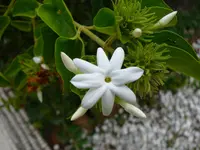
Oakleaf hydrangea Care (Hydrangea quercifolia)

Also known as: oak-leaved hydrangea
Oakleaf hydrangea

About Oakleaf hydrangea

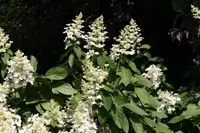
Oakleaf hydrangea (Hydrangea quercifolia) is a deciduous flowering shrub valued for its showy cone-shaped blooms and distinctive oak-like leaves. It forms a rounded, multi-stemmed shape that fits well in mixed borders and naturalistic plantings.

This species is native to the southeastern United States, where it grows along wood edges and stream banks. Its peeling bark, seasonal leaf color change, and long-lasting flower clusters make it attractive across several seasons.

Hydrangea quercifolia is generally considered manageable for most gardeners if its basic needs are met. To care for Oakleaf hydrangea successfully, choose a site with partial shade, consistent moisture, and well-drained, humus-rich soil.

Main Plant Requirements

Care Difficulty

Moderate Care

Light Preference

Partial Shade

Water Requirements

Regular Water

Temperature Preference

Cold Hardy

Hardiness Zone

5–9

Soil Texture

Loamy, Clay, Organic-rich

Soil pH

Acidic (5.5–6.5), Slightly acidic (6.5–7.0)

Soil Drainage

Moist but well-drained

Fertilization

Minimal (feed rarely)

Get Personalized Care Plan

Scan your plant to receive care tips personalized for your specific plant

Available on iOS and Android

How to Care for the Oakleaf hydrangea

This shrub prefers bright, gentle light that avoids harsh afternoon exposure.

  • Provide 3–5 hours of morning sun with light or dappled shade from midday onward for best flowering and foliage color in Oakleaf hydrangea.
  • Allow partial shade, especially in hotter climates; sites with eastern exposure or north-facing beds usually give balanced light levels.
  • Monitor leaves for stress: scorched, crisp edges indicate too much afternoon sun, while sparse flowering and elongated, weak stems suggest insufficient light.

Hydrangea quercifolia performs best in evenly moist but not waterlogged soil.

  • Water when the top 3–5 cm of soil feels dry; deep, slow watering encourages roots to grow downward and improves drought tolerance.
  • Increase watering during hot, dry periods and reduce it in cool or rainy weather, always checking soil before adding more water.
  • Watch for wilting, dull leaves, and dry soil as signs of underwatering, while yellowing leaves, soft stems, or a sour smell in the soil suggest overwatering or poor drainage.

This hydrangea is a hardy shrub that tolerates a wide temperature range when planted outdoors in the ground.

  • Support active growth in spring and summer with average temperatures around 60–80°F (16–27°C), which allow steady shoot and flower development.
  • Expect the plant to withstand winter lows near 0°F (−18°C) in many regions, entering dormancy and losing leaves until temperatures rise again.
  • Protect from prolonged extremes above 90°F (32°C) by providing shade and mulch, and avoid late spring frosts that can damage new buds and reduce flowering.

This shrub prefers moderate humidity but adapts if soil moisture is steady.

  • Aim for 40–60% humidity, with extra care during hot, windy periods that dry leaves quickly.
  • Dry air shows as crisp leaf edges, drooping between waterings, and browning flower tips despite moist soil.
  • Increase humidity around Oakleaf hydrangea outdoors with nearby planting, mulch, and wind protection rather than misting.

Hydrangea quercifolia grows best in moist, well-aerated ground with stable structure.

  • Use a loamy, organic-rich soil that holds moisture yet feels springy, not compacted, when squeezed.
  • Ensure drainage by incorporating 20–40% compost and 10–20% pine bark fines into native soil, avoiding heavy clay pockets.
  • Aim for slightly acidic to neutral pH, around 5.5–6.8, to support balanced nutrient uptake and consistent flowering.
  • Avoid poorly drained, waterlogged, or very sandy spots; improve aeration with coarse bark or perlite where soil feels dense.

This species can grow well in containers if the pot is stable and moisture is managed carefully.

  • Choose a wide, heavy container to counterbalance the woody, top‑heavy canopy in strong winds.
  • Select a pot at least 40–45 cm deep to allow a broad, fibrous root system to anchor and support tall stems.
  • Use a chunky mix (container soil plus pine bark and perlite) to keep drainage fast while retaining enough moisture between waterings.

This shrub benefits from modest, targeted feeding rather than heavy fertilization.

  • Apply a balanced slow-release fertilizer (for example 10-10-10) or well-rotted compost once in early spring as new growth starts.
  • Use about half the label rate for container plants and young shrubs to avoid excess salt buildup and soft, weak growth.
  • In mid-summer, a light top-dressing of compost supports flowering without overstimulating foliage on Oakleaf hydrangea.
  • Stop feeding in late summer and avoid fertilization in fall and winter so new growth can harden before cold weather.

Hydrangea quercifolia responds well to light, well-timed pruning that respects its old-wood flowering habit.

  • Time major pruning for right after flowering in summer, before next year’s buds set on old wood.
  • Use clean, sharp bypass pruners to remove dead, damaged, crossing, or weak stems at the base.
  • Thin crowded interior stems to improve air movement and maintain an open, balanced shrub shape.
  • Limit cuts on older plants to about one-third of the oldest stems per year to renew growth without reducing blooms.

This species is most often grown in the ground, where transplanting is infrequent but should be planned carefully.

  • Transplant garden plants in early spring or early fall when temperatures are mild and soil is workable.
  • Look for signs such as slow growth, dieback, or roots circling the container if Hydrangea quercifolia is grown in a pot.
  • Move to a hole or container 1.5–2× wider than the root ball, setting the crown at the same soil level as before.
  • Water deeply after transplanting, then keep soil evenly moist and shade the plant from harsh sun for 1–2 weeks to limit stress.

This shrub is commonly propagated vegetatively to maintain cultivar traits and predictable growth.

  • Take 10–15 cm softwood cuttings in late spring to early summer, using non-flowering shoots with 2–3 nodes.
  • Insert cuttings in a moist, free-draining mix under high humidity and bright, indirect light until roots form.
  • Use simple layering in spring by pinning a low, flexible stem to the soil and severing it once well rooted.
  • Division is occasionally possible on multi-stem clumps in early spring, keeping large, well-rooted sections for replanting.

Mature plants are generally cold hardy but benefit from some winter preparation in colder regions.

  • In USDA zones around 5–9, woody stems usually tolerate typical winter lows once established.
  • Apply 5–8 cm of mulch over the root zone in late fall, keeping it slightly away from the main stems.
  • In exposed sites, tie stems loosely and wrap with breathable fabric to reduce breakage from snow and ice.
  • Move container-grown shrubs into a sheltered, unheated space where roots stay above about 20°F and soil does not freeze solid.

Care Tips

Layering Propagation

In early spring, bend a low, flexible branch to the ground, pin it into contact with moist soil, and cover the pinned section with 5–8 cm of compost to encourage roots before cutting it free the following year.

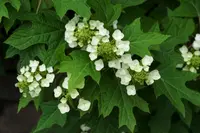
Flower Panicle Support

Before large panicles form, insert discreet shrub stakes or peony hoops inside the canopy so heavy blooms on older stems are supported and less likely to snap in wind or after heavy rain.

Snow Load Protection

In regions with heavy, wet snow, loosely tie the outer branches together with soft garden tape in late fall to prevent branches from splaying or breaking under winter weight.

Mulch Collar Management

Maintain a 5–8 cm deep mulch ring that extends slightly beyond the drip line but keep mulch pulled back 5–8 cm from the main stems to reduce crown rot and vole damage.

Root Zone Cooling

In hot climates, plant shallow-rooted perennials or groundcovers at the shrub’s feet to shade the soil surface and keep the root zone cooler and more evenly moist when growing Oakleaf hydrangea.

Common Pests and Diseases

Leaf spot

This disease causes tan to dark brown spots that may have purple margins, often appearing on older foliage first in warm, wet weather. Symptoms include premature leaf drop and a generally thinned canopy on lower branches.

Solution

Prune out and discard heavily spotted leaves and any fallen debris to reduce fungal spores, then improve air circulation by thinning crowded stems and avoiding overhead watering. If wet, humid conditions persist and damage is significant, apply a labeled fungicide for hydrangeas in early spring and repeat as directed to protect new growth as part of Hydrangea quercifolia care instructions.

Powdery mildew

This disease shows up as white to gray powdery patches on upper leaf surfaces, often in late summer when nights are cool and humidity is high. Symptoms include distorted new growth and a dull, grayish cast to foliage.

Solution

Increase light and airflow by spacing plants properly and pruning dense interior growth, and water at the base in the morning to keep foliage dry. Remove heavily infected leaves and, if needed, use a sulfur or potassium bicarbonate fungicide labeled for ornamentals, applied according to directions at the first sign of infection.

Aphids

These insects cluster on tender shoot tips and the undersides of leaves, sucking sap and causing curled, sticky foliage due to honeydew and possible sooty mold. This pest can weaken new growth and attract ants.

Solution

Spray colonies off with a firm stream of water, then treat remaining infestations with insecticidal soap or a horticultural oil, ensuring thorough coverage of leaf undersides. Encourage natural predators like lady beetles by minimizing broad-spectrum insecticides in the surrounding garden.

Spider mites

This pest causes fine stippling, bronzing, and a dull, dusty appearance on leaves, especially during hot, dry weather. Symptoms include delicate webbing between leaves and stems when populations are high.

Solution

Increase humidity around the shrub and hose down foliage thoroughly, focusing on the undersides of leaves to physically remove mites. For persistent infestations, apply a horticultural oil or a miticide labeled for ornamental shrubs, repeating as directed to target newly hatched mites.

Botrytis blight

This disease produces gray, fuzzy mold on spent flower heads, injured tissues, and sometimes leaves, especially in cool, damp conditions. Symptoms include browning petals, mushy spots, and dieback of affected shoots.

Solution

Promptly deadhead spent blooms and remove any decaying plant material, then improve air circulation and avoid wetting flowers when watering. In severe or recurring cases, use a fungicide labeled for Botrytis on ornamentals at early bloom and follow up according to label directions during extended wet periods.

Interesting Facts

Native Southeastern shrub

This species is native to the woodlands and stream banks of the southeastern United States, especially in Alabama, Georgia, and surrounding states, where it grows naturally in partial shade and well-drained, humus-rich soils.

Oak-like foliage adaptation

Its leaves resemble oak leaves because of their deep lobes, an adaptation that increases leaf surface complexity and can improve light capture under dappled forest shade.

Four-season ornamental value

It is valued for multi-season interest: conical white flower clusters that often age to pink, bold green foliage that turns deep red to burgundy in fall, and exfoliating bark that provides texture through winter, which is central to many Hydrangea quercifolia care instructions.

Botan icon

Did you know?

This species is the official state wildflower of Alabama, recognized for its ecological importance in native forest ecosystems and its distinctive appearance in the wild understory.

FAQs about Oakleaf hydrangea

Lack of flowers usually comes from pruning at the wrong time, winter bud damage, or deep shade. Flower buds form on old wood, so heavy pruning in late fall or spring often removes next season’s blooms.

Grow Healthy Plants with Botan Care

Keep your plants happy and healthy with plant identification, disease detection, and easy care guidance.

Botan plant care app — identify plants on mobile

Explore More Plants