Longhead Sceptre Care (Paranomus dispersus)

Also known as: Long-Head Scepter
Longhead Sceptre

About Longhead Sceptre

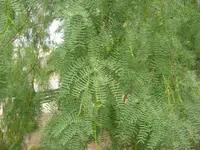
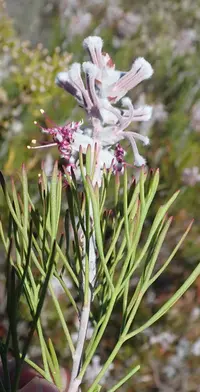
Longhead sceptre, Paranomus dispersus, is an evergreen shrub from the protea family, native to the fynbos of South Africa’s Western Cape. It forms an upright, moderately dense shrub with finely divided, needle-like foliage and elongated, brush-like flower heads that give the plant its common name.

In habitat it grows on nutrient-poor, well-drained, often sandy or rocky soils and experiences dry summers with wet, cool winters. The species is considered challenging outside Mediterranean-style climates, mainly due to its sensitivity to excess nutrients, poor drainage, and summer humidity.

Gardeners who want to care for Longhead Sceptre should aim to mimic these lean, free-draining, sunny conditions as closely as their local climate allows.

Main Plant Requirements

Care Difficulty

Hard Care

Light Preference

Full Sun

Water Requirements

Low Water

Temperature Preference

Warm Climate

Hardiness Zone

9–11

Soil Texture

Sandy, Loamy, Rocky

Soil pH

Strongly acidic (4.5–5.5), Acidic (5.5–6.5)

Soil Drainage

Well-drained

Fertilization

Minimal (feed rarely)

Get Personalized Care Plan

Scan your plant to receive care tips personalized for your specific plant

Available on iOS and Android

How to Care for the Longhead Sceptre

This shrub prefers bright, open conditions that mimic its native fynbos habitat.

  • Provide 6–8 hours of direct sun daily; in very hot inland sites, give Longhead Sceptre light afternoon shade after about 2 pm to reduce leaf scorch.
  • Young plants benefit from filtered morning sun and light midday shade in the first 6–12 months while roots establish.
  • In winter, ensure plants are not shaded by buildings or trees, as low light for long periods leads to weak, sparse growth.

This species is drought-tolerant once established and is sensitive to excess moisture around the roots.

  • Allow the top 5–7 cm of soil to dry fully before watering; in sandy, fast-draining soils this may mean deep watering every 10–21 days in dry seasons.
  • Use sharply drained, low-fertility soil; water slowly so it soaks through, then let excess run off to avoid standing water and root rot.
  • Signs of overwatering include yellowing leaves and dieback from the tips, while persistent drooping and crisp leaf edges suggest the plant has gone too dry for too long.

This fynbos shrub prefers mild, frost-free climates with warm, dry summers and cool, wet winters.

  • Aim for average growing-season temperatures of 65–80°F (18–27°C); growth slows noticeably below 55°F (13°C).
  • Paranomus dispersus tolerates brief dips to about 28–30°F (-2 to -1°C), but repeated or hard frosts can kill new shoots and young plants.
  • In hot regions, periods of 90–95°F (32–35°C) are tolerated if soil is not waterlogged and the site has airflow; prolonged heat above this can stress plants and shorten flower life.

Paranomus dispersus prefers dry, airy conditions and does not need elevated humidity.

  • Aim for 30–50% humidity, similar to dry indoor air or arid outdoor climates.
  • The plant tolerates brief drops below 30%, but prolonged damp, stagnant air encourages fungal problems.
  • Signs of excess humidity stress include blackening leaf tips, mold on stems, and slow, weak new growth; increase air movement rather than adding moisture.

Paranomus dispersus needs very fast-draining, acidic, sandy soil that mimics its native fynbos habitat.

  • Use a mix of roughly 60–70% coarse sand or fine grit with 30–40% low-nutrient, acidic medium like pine bark fines.
  • Aim for pH 5.0–6.0; avoid liming agents and high-calcium materials that raise pH.
  • Ensure water drains through in seconds, not minutes; add extra grit or perlite if water lingers or the mix feels compact.
  • Avoid heavy clay, peat-rich, or high-compost mixes, which hold too much water and cause root rot in this protea relative.

This species can be grown in containers if the pot strongly favors rapid drainage and air around the roots.

  • Choose a tall, narrow pot to give the deep, proteoid roots space while keeping the mix from staying wet near the surface.
  • Select unglazed terracotta to increase evaporation and reduce the risk of waterlogged conditions after rain or heavy watering.
  • Weight the base with coarse gravel if the shrub becomes top-heavy, preventing wind from tipping the container over in exposed sites.

Paranomus dispersus is adapted to nutrient-poor, sandy, acidic soils and usually needs minimal feeding.

  • Avoid rich fertilizers; use a very low-phosphorus, balanced NPK product if growth is poor.
  • Apply at half-strength once at the start of the growing season, then reassess before repeating.
  • Alternatively, top-dress with a thin layer of well-aged, low-phosphorus compost away from the stem.
  • Do not feed in winter; excess nutrients reduce longevity when caring for Longhead Sceptre.

Paranomus dispersus benefits from light structural pruning to maintain shape and flowering wood.

  • Prune in late winter or just after flowering, avoiding heavy cutting into old, leafless wood.
  • Remove dead, diseased, crossing, or inward-growing shoots with sharp, clean bypass pruners.
  • Shorten overly long, leggy stems by up to one-third to keep a balanced, bushy form.
  • Disinfect tools before and after work to reduce disease transmission on woody stems.

This fynbos shrub is usually grown in the ground, so focus on careful transplanting rather than frequent repotting.

  • Transplant in late winter to early spring when temperatures are mild and soil is workable.
  • Move only when essential, such as poor drainage, severe root binding in containers, or very slow growth.
  • Keep the root ball as intact as possible, handling gently to reduce fine root damage and stress.
  • Replant into sandy, acidic, sharply drained soil at the same depth, then water once and allow soil to dry slightly.

Propagation of Paranomus dispersus is specialised and not often attempted by casual gardeners.

  • Semi-hardwood cuttings are taken in late summer, using non-flowering shoots 7–10 cm long.
  • Use a very free-draining, low-phosphorus mix, bottom heat, and high humidity to encourage rooting.
  • Apply rooting hormone to the cut base and keep cuttings under bright, indirect light.
  • Seed propagation needs smoke or smoke-primed treatments and cool, well-drained conditions to germinate.

This species prefers mild, frost-free climates and needs protection in colder regions.

  • Tolerates only light, brief frosts; prolonged freezing can damage young shoots and flower buds.
  • Apply a 5–7 cm layer of coarse mulch around the root zone, keeping it away from the stem base.
  • In cold areas, grow Paranomus dispersus in containers and move indoors or into a cool greenhouse for winter.

Care Tips

Low-phosphorus regime

Use a native-proteaceae or other low-phosphorus fertilizer only if growth is clearly poor, and always apply at half strength to avoid damaging this phosphorus-sensitive species.

Wind exposure training

Site plants where they receive consistent light wind so stems lignify (develop wood) evenly, reducing breakage and encouraging a sturdier, more compact framework.

Minimal root disturbance

Plant into the final position while still young and avoid cultivating or treading on the root zone, as disturbed feeder roots in this genus recover slowly and can trigger decline.

Targeted dead-stem removal

Inspect stems at the end of the dry season and remove only obviously dead or borer-damaged wood back to healthy tissue, keeping as much live flowering wood as possible.

Fire-free rejuvenation

In older plantings where burning is not possible, selectively thin congested interior stems over 2–3 years to mimic post-fire rejuvenation and maintain flowering quality when growing Longhead Sceptre.

Common Pests and Diseases

Phytophthora canker

This disease causes dark, sunken stem lesions, wilting, and sudden dieback, often after periods of warm, wet soil conditions. Symptoms include brown discoloration under the bark and rapid collapse of affected shoots.

Solution

Remove and destroy affected stems well below the visible canker, disinfect pruning tools between cuts, and avoid overhead or excessive irrigation. Improve drainage, keep mulch and organic matter away from the stem base, and in landscape settings use a phosphonate trunk or soil drench according to label directions to limit further infection.

Botryosphaeria dieback

This disease leads to progressive dieback of branch tips, with tan to dark brown streaking in the wood and failure of buds to open. Symptoms include scattered dead stems that contrast with still-healthy foliage on the same plant.

Solution

Cut out infected shoots at least 10–15 cm below obvious discoloration, then dispose of prunings away from the planting area. Prune only in dry weather, improve air movement around plants, avoid drought stress, and prevent wounding from rough handling or mechanical damage to reduce further infection.

Leaf spot fungi

This disease produces small dark spots or blotches on leaves that may coalesce, leading to premature leaf drop in humid or poorly ventilated conditions. Symptoms include spotting that often starts on older or shaded foliage.

Solution

Remove and discard heavily spotted leaves from the plant and ground to reduce spore load, and water at soil level instead of over the foliage. Increase sun exposure and airflow where possible, and if leaf spots persist in high-value landscape or collection plants, apply a suitable copper-based or low-toxicity fungicide labeled for ornamental shrubs, following local guidelines.

Protea mite

This pest causes distorted growth, bronzing, or roughened patches on young leaves and shoot tips, particularly in dry and sheltered positions. Symptoms include reduced vigor and poor new growth without obvious chewing damage.

Solution

Trim and discard heavily distorted shoot tips, then hose down plants periodically to dislodge mites, focusing on the undersides of leaves. For persistent infestations, use a targeted miticide or horticultural oil labeled for ornamental shrubs, applied thoroughly and repeated as directed, while avoiding use during very hot or very cold periods.

Scale insects

These insects appear as small, fixed bumps on stems and leaf midribs and excrete honeydew that can lead to sooty mold on foliage. Symptoms include general decline, yellowing leaves, and sticky residues on or beneath the plant.

Solution

Wipe or gently scrub stems with a soft brush and mild soapy water to remove scales, then rinse well. For heavier infestations on established shrubs, apply horticultural oil during mild weather to smother remaining insects, and encourage beneficial insects by avoiding broad-spectrum insecticides that disrupt natural predators when managing Paranomus dispersus care.

Interesting Facts

Granite sandstone specialist

This species is naturally restricted to nutrient-poor, acidic sandstone and granite-derived soils in the Western Cape fynbos, showing a high level of edaphic (soil-related) specialization within its limited range.

Fire-sensitive shrub

Paranomus dispersus is fire-sensitive rather than resprouting; adult plants are usually killed by intense wildfires, and populations depend on soil-stored seed to re-establish after fire.

Protea family relative

It belongs to the Proteaceae, the same family as proteas and leucospermums, and shares their characteristic woody flower structures adapted for insect pollination in the fynbos biome.

FAQs about Longhead Sceptre

This shrub is evergreen, keeping its narrow, divided leaves year-round in mild, frost-free climates. In colder or very dry conditions, some foliage may be shed, but the plant does not have a true dormant leafless phase.

Grow Healthy Plants with Botan Care

Keep your plants happy and healthy with plant identification, disease detection, and easy care guidance.

Botan plant care app — identify plants on mobile

Explore More Plants