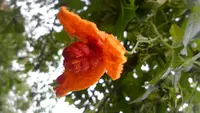
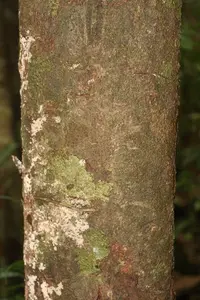
Hercules' club Care (Zanthoxylum clava-herculis)

Hercules' club

About Hercules' club

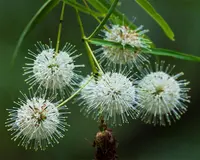
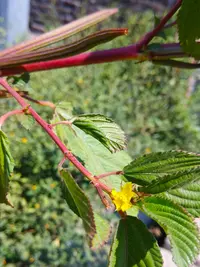
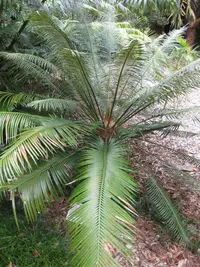
Hercules' club, Zanthoxylum clava-herculis, is a hardy deciduous shrub or small tree known for its spiny trunk and branches. It belongs to the citrus family and has aromatic leaves and bark.

This species occurs naturally in the southeastern United States, often in dry woods, thickets, and well-drained slopes. It typically forms an irregular, open crown and produces small greenish flowers followed by dark seed clusters.

The plant is relatively tough once established but can be slow-growing and needs space due to its thorns. It prefers full sun to light shade, with moderately moist, well-drained soil, and these features shape how to care for Hercules' club.

Main Plant Requirements

Care Difficulty

Moderate Care

Light Preference

Full Sun

Water Requirements

Moderate Water

Temperature Preference

Cold Hardy

Hardiness Zone

5–9

Soil Texture

Sandy, Loamy, Rocky

Soil pH

Acidic (5.5–6.5), Slightly acidic (6.5–7.0)

Soil Drainage

Well-drained

Fertilization

Minimal (feed rarely)

Get Personalized Care Plan

Scan your plant to receive care tips personalized for your specific plant

Available on iOS and Android

How to Care for the Hercules' club

This sun-loving native shrub thrives in full sun but tolerates some light shade, especially in hot climates.

  • Provide 6–8 hours of direct sun daily; morning sun with light afternoon shade reduces leaf scorch in southern regions.
  • Allow light dappled shade under taller trees; Hercules' club still flowers well if it receives at least 4–5 hours of strong light.
  • Monitor in summer: pale, sparse foliage and weak new growth indicate too much shade, while crisped leaf edges suggest intense, unrelieved afternoon sun.

This drought-tolerant shrub prefers deep, infrequent watering once established rather than frequent shallow drinks.

  • In the ground, water when the top 5–8 cm of soil feels dry, soaking the root zone thoroughly, then allow it to drain completely.
  • Use well-drained, gritty or loamy soil; persistent wetness, sour smell, or blackened roots signal overwatering and risk of root rot.
  • During the first 1–2 growing seasons, water more often in dry spells; later, only increase frequency during extended heat or if leaves droop and curl.

This hardy shrub tolerates a wide temperature range but performs best in warm to hot climates with mild winters.

  • Active growth is strongest around 70–90°F (21–32°C); growth slows noticeably below 55°F (13°C).
  • Mature plants typically survive brief drops to about 0°F (−18°C), though young Zanthoxylum clava-herculis may need protection from severe freezes.
  • In regions with very hot summers above 95°F (35°C), light afternoon shade and mulch help protect roots and reduce heat stress.

This species tolerates a wide humidity range and usually does not need special humidity management outdoors.

  • Performs well at 30–60% humidity, typical of many outdoor and unheated indoor spaces.
  • Handles relatively dry air without issue if soil moisture is consistent and roots are not stressed.
  • Humidity stress shows mainly as leaf edge browning and tip dieback during hot, windy, very dry spells.
  • To boost humidity in very arid conditions, shelter from strong wind and use mulch to moderate leaf and soil moisture loss.

This species prefers well-aerated, free-draining mineral soils that do not stay waterlogged.

  • Aim for a sandy or loamy soil with moderate organic matter, allowing water to drain quickly while still holding some moisture.
  • Target a slightly acidic to neutral pH around 6.0–7.0; strongly alkaline soils can limit nutrient availability and reduce vigor.
  • For planting, mix local mineral soil with 20–30% compost and, if heavy, 20–30% coarse sand or fine gravel for structure and drainage.
  • Avoid compacted clay, spots where water stands after rain, or dense mixes that reduce aeration around Zanthoxylum clava-herculis roots.

This species can be grown in containers for several years, though it ultimately prefers open ground.

  • Use a deep, heavy container to counteract the developing woody, top-heavy structure and reduce tipping in wind.
  • Fill the pot with a gritty, free-draining mix such as 50% inorganic material (coarse sand, grit, or pumice) to prevent chronic wetness at the root zone.
  • Choose a container material that does not overheat in full sun, such as thick-walled ceramic, to keep root temperatures more stable in hot climates.

This tough native tree needs only light feeding when grown in poor or confined soils, so caring for Hercules' club focuses more on soil quality than heavy fertilizer use.

  • Use a balanced slow-release fertilizer (for example 10-10-10) or well-rotted compost in early spring for container or nutrient-poor plantings.
  • Apply at half the label strength, working granules lightly into the topsoil and watering thoroughly afterward.
  • Feed once in spring and, if growth is weak, once more in mid-summer during the active growing season.
  • Stop fertilizing in late summer so new growth hardens before winter, and do not feed during dormancy.

Zanthoxylum clava-herculis benefits from light, targeted pruning to maintain structure and remove problem wood.

  • Prune in late winter or very early spring before new growth begins, when branch structure is easiest to see.
  • Remove dead, diseased, crossing, or storm-damaged branches first, cutting back to healthy wood or the branch collar.
  • Thin crowded interior branches to improve air flow and light penetration, which supports healthier canopy development.
  • Use clean, sharp bypass pruners or a pruning saw, making smooth cuts to reduce the risk of pests and disease entry.

This species is usually grown in the ground, so transplanting young trees correctly is more important than frequent repotting.

  • Transplant in early spring or fall when temperatures are mild and the tree is not under strong heat stress.
  • Look for signs such as roots circling a nursery container, slow growth, or soil drying very quickly before moving to a larger space.
  • Plant at the same depth as in the pot, spreading roots outward and backfilling with well-drained soil while watering thoroughly to settle air pockets.
  • Mulch 5–8 cm around the root zone, keep soil evenly moist (not waterlogged), and avoid heavy pruning at transplant time to reduce stress.

This tree is most often propagated from seed, with some use of semi-hardwood cuttings for selected forms.

  • Collect ripe seed in fall, clean, and use cold stratification at about 34–41°F for 2–3 months to break dormancy.
  • Sow stratified seeds in spring in a free-draining, slightly acidic mix, keeping the medium consistently moist but not saturated.
  • Take semi-hardwood cuttings in mid to late summer, use rooting hormone, and place in warm, bright, indirect light with high humidity.
  • Label seed or cutting batches and discard any rotting material promptly to maintain healthy propagation conditions.

Mature plants are generally cold hardy in much of their range and need limited winter care once established.

  • Tolerates typical winter lows in USDA zones 6–9, but young trees benefit from basic root-zone protection.
  • Apply 5–8 cm of organic mulch around the base in late fall, keeping it a few cm away from the trunk.
  • For container plants, move pots into an unheated garage or sheltered area to reduce freeze–thaw stress on roots.

Care Tips

Manage Root Suckers

Inspect the surrounding soil 2–3 times per year and promptly cut off root suckers at or below soil level with clean pruners to prevent unwanted thickets and keep the plant as a defined specimen.

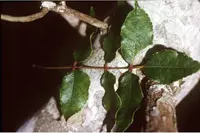
Thorn-Safe Handling

Use thick leather gloves and long sleeves when pruning or inspecting branches, and keep a dedicated, clearly labeled tool set for this plant to reduce accidental injury from its sharp spines.

Understory Plant Spacing

If planting groundcovers beneath the canopy, choose drought-tolerant, thorn-resistant species and leave a 30–45 cm bare ring around the trunk to allow safe access for caring for Hercules' club and for trunk inspections.

Winter Wind Protection

In colder or exposed sites, install a simple windbreak such as mesh fencing on the prevailing-wind side during winter to reduce desiccation of young branches and improve survival of new plantings.

Integrated Pest Scouting

Check young foliage and stems every 2–4 weeks during the growing season for aphids, scale, or leaf miners, and treat early with a strong water spray or a horticultural oil labeled for woody ornamentals if populations start to build.

Common Pests and Diseases

Citrus bark borer

This pest tunnels into trunks and larger branches, causing dieback, weak growth, and sometimes branch breakage. Symptoms include small round exit holes, frass (sawdust-like material), and patches of dead bark on Hercules' club.

Solution

Prune and destroy heavily bored branches, cutting back into healthy wood, and discard off site. Reduce stress on the tree through proper watering and mulching, keep trunk areas clear for inspection, and if new boring activity is noticed, use a labeled trunk spray or soil-applied systemic insecticide during the adult flight period as recommended by a local extension service.

Leaf-footed bugs

These insects feed on tender shoots, flowers, and developing fruits, causing distortion, premature fruit drop, and cosmetic damage. This pest is often seen as medium to large brown bugs with flattened, leaf-like hind legs on Hercules' club in warm seasons.

Solution

Hand-pick and remove bugs where feasible, and shake branches over a container of soapy water to collect and kill them. Reduce nearby weedy host plants, use fine mesh netting to protect valuable fruit clusters if practical, and apply a targeted contact insecticide only when populations are high and after beneficial insects are less active, typically early morning or late evening.

Canker disease

This disease causes localized sunken or cracked lesions on stems and branches, which can lead to girdling and dieback above the affected area. Symptoms include discolored bark patches, oozing sap, and dead twigs on sections of Hercules' club.

Solution

Prune out affected branches during dry weather, cutting several inches below visible cankers into healthy wood, and disinfect pruning tools between cuts with alcohol or a 10% bleach solution. Improve airflow by thinning crowded branches and avoid wounding bark; in areas with recurrent problems, follow local extension guidance on any recommended protective fungicide sprays in late winter or early spring.

Rust leaf spots

This disease produces small yellow to orange spots on upper leaf surfaces, with powdery or pustule-like structures beneath. Symptoms include early leaf yellowing and drop, especially in warm, humid conditions on Hercules' club.

Solution

Remove and discard fallen leaves and heavily spotted foliage to reduce spores, and avoid overhead watering that keeps leaves wet for long periods. Increase spacing and airflow around plants, and if rust recurs yearly and is severe, consider a labeled preventive fungicide applied early in the season according to local recommendations.

Scale insects

These insects attach firmly to stems and sometimes leaves, appearing as small bumps while sucking sap and weakening the plant. This pest can cause leaf yellowing, stunted growth, and sticky honeydew that encourages sooty mold on Hercules' club.

Solution

Prune and discard heavily infested twigs, then wipe or gently scrub remaining scales from reachable stems with a soft brush dipped in soapy water. For larger plants, apply horticultural oil during the dormant or crawler stages, carefully following label directions to improve coverage and reduce impact on beneficial insects while maintaining good Zanthoxylum clava-herculis care overall.

Interesting Facts

Impressive thorn armor

The trunk and older branches are covered with large, corky, conical spines that can look like old nails hammered into the bark, which inspired the common name Hercules' club.

Native coastal specialist

This species is native to the southeastern United States, where it often grows in coastal forests, hammocks, and well-drained sandy soils, tolerating heat, wind, and occasional salt exposure.

Prickly ash relative

It belongs to the citrus family Rutaceae and is closely related to other prickly ash species, which are known for aromatic bark and leaves that contain tingling compounds similar to those in Sichuan pepper.

Botan icon

Did you know?

Early North American colonists sometimes used the hard, spiny stems of this tree as living fences or barriers to discourage livestock and people from passing through certain areas.

FAQs about Hercules' club

The flowers are small but very nectar-rich, attracting many native bees, wasps, and some butterflies. It functions as a useful pollinator support tree, especially when allowed to flower freely without heavy pruning at the wrong time.

Grow Healthy Plants with Botan Care

Keep your plants happy and healthy with plant identification, disease detection, and easy care guidance.

Botan plant care app — identify plants on mobile

Explore More Plants