Establish Deep Roots
In the first 1–2 years, apply a slow, infrequent soak with a soaker hose extending slightly beyond the young shrub’s canopy to encourage a deep, drought-resilient root system rather than shallow surface roots.

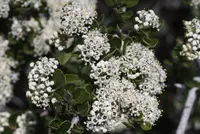
Buckbrush, Ceanothus cuneatus, is a dense, evergreen shrub native to dry slopes and chaparral regions of western North America, especially California and Oregon. It typically forms a rounded mound with many stiff branches, small leathery leaves, and clusters of white to pale blue flowers in spring.
This species is adapted to poor, rocky soils and summer drought, which makes it relatively easy to maintain once established. It suits low-water gardens, naturalistic plantings, and restoration sites. Those learning how to care for buckbrush should note that it prefers full sun, fast-draining soil, and infrequent watering after rooting in.
In suitable conditions, buckbrush can live for many years, providing structure, erosion control, and habitat for pollinators and wildlife.

Care Difficulty
Easy Care

Light Preference
Full Sun

Water Requirements
Low Water

Temperature Preference
Cold Hardy

Hardiness Zone
7–10

Soil Texture
Sandy, Loamy, Rocky

Soil pH
Slightly acidic (6.5–7.0), Neutral (7.0)

Soil Drainage
Well-drained

Fertilization
Minimal (feed rarely)
Scan your plant to receive care tips personalized for your specific plant
Available on iOS and Android
Ceanothus cuneatus thrives in bright, open sites with strong sun exposure.
This dry-adapted shrub prefers infrequent, deep watering once established.
This species is adapted to warm, dry summers and cool, mild winters.
Humidity is rarely a concern for Ceanothus cuneatus, which is adapted to dry, low-humidity conditions.
Ceanothus cuneatus prefers lean, sharply drained soil that mimics its native dry, rocky habitats.
This shrub is only moderately suitable for container growing and works best in large, outdoor pots under dry, sunny conditions.
Ceanothus cuneatus is a drought-tolerant native shrub that needs minimal feeding and can thrive on poor soils.
Ceanothus cuneatus responds well to light, selective pruning that maintains a natural form and flowering wood.
This native shrub is usually grown in the ground, so care focuses on careful transplanting rather than frequent repotting.
Propagation of Ceanothus cuneatus is possible but moderately challenging, especially from seed.
This shrub is generally hardy in mild to cool climates and needs only minimal winter care once established.

Plant Health Check
Not sure what's wrong with your plant? Check your plant's health inside the app.
Buckbrush is a dominant shrub in California chaparral and foothill woodlands, often forming dense, long‑lived stands that shape understory light, soil conditions, and wildlife habitat structure.
Its dense clusters of small white flowers provide an early- to mid‑spring nectar and pollen source for native solitary bees and small flies that are adapted to cool, dry upland conditions.
The plant maintains small, tough, evergreen leaves with thick cuticles and sunken stomata, structural traits that reduce water loss and allow it to stay green through hot, dry Mediterranean‑type summers.

In many California oak and pine woodlands, mature buckbrush shrubs can live for several decades as individual plants, yet the species often persists on a site mainly through post‑fire seedling cohorts that establish in large numbers after infrequent, stand‑replacing wildfires.
This species is an evergreen shrub in most of its range, holding leaves year-round. In very cold or exposed sites it may drop some foliage, but under typical garden conditions it keeps a permanent leafy structure.
Keep your plants happy and healthy with plant identification, disease detection, and easy care guidance.