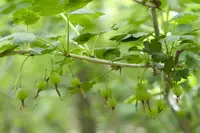
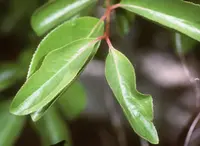
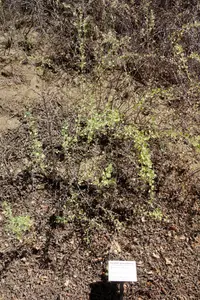
Lewis' mock orange Care (Philadelphus lewisii)

Also known as: Wild Mock Orange, Gordon's Mockorange, Heartleaf mock orange, Piper's mock orange, California mock orange, Oregon mock orange, Zeller's mock orange, Columbian mock orange, Mock-orange
Lewis' mock orange

About Lewis' mock orange

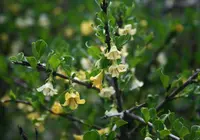
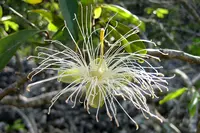
Lewis' mock orange, Philadelphus lewisii, is a deciduous flowering shrub valued for its fragrant, white, four-petaled blooms that appear in late spring to early summer. It typically forms an upright, arching clump with multiple stems and medium-green leaves, giving a loose, natural look in garden settings.

This species is native to western North America, where it grows on slopes, woodland edges, and along streams. It is generally considered easy to grow, as it tolerates a range of soils and moderate drought once established.

Gardeners who want to care for Lewis' mock orange should provide sun to light shade, reasonably moist but well-drained soil, and enough space for its mature size.

Main Plant Requirements

Care Difficulty

Easy Care

Light Preference

Full Sun

Water Requirements

Moderate Water

Temperature Preference

Cold Hardy

Hardiness Zone

4–8

Soil Texture

Sandy, Loamy, Rocky

Soil pH

Slightly acidic (6.5–7.0), Neutral (7.0)

Soil Drainage

Well-drained

Fertilization

Minimal (feed rarely)

Get Personalized Care Plan

Scan your plant to receive care tips personalized for your specific plant

Available on iOS and Android

How to Care for the Lewis' mock orange

This shrub thrives with strong light but tolerates some shade, especially in hotter regions.

  • Provide 6–8 hours of direct sun daily; in hot summers, aim for morning sun with light afternoon shade to reduce leaf scorch.
  • Plant Lewis' mock orange where it receives at least 4 hours of direct morning sun plus bright, open sky for the rest of the day for best flowering.
  • In cooler climates, full sun all day is suitable, but in very bright, reflective sites monitor for leaf burn and consider light filtered shade in midsummer.

This species prefers moist but not saturated soil, especially during establishment.

  • Water when the top 3–5 cm of soil feels dry, applying a deep soak so moisture reaches 20–30 cm down, then allow the surface to dry again.
  • During the first 1–2 growing seasons, monitor closely in late spring and summer; drooping new leaves signal thirst, while yellowing leaves and soft stems suggest overwatering.
  • Plant Philadelphus lewisii in well-drained soil; avoid standing water around the roots and use mulch 5–8 cm deep to slow evaporation without touching the stems.

This hardy shrub tolerates a wide temperature range once established.

  • Active growth and flowering occur best around 60–75°F (16–24°C) in spring and early summer, with cooler nights supporting strong bud formation.
  • Mature plants often survive down to about -20°F (-29°C) when fully dormant, but young shrubs benefit from mulch over the root zone in colder climates.
  • In hot regions, brief periods up to 90–95°F (32–35°C) are tolerated if soil moisture is maintained; prolonged heat plus drought can stress plants and reduce flowering the following year.

This species thrives in typical outdoor humidity and rarely needs special humidity management.

  • Target 30–60% humidity, which is common in most temperate outdoor gardens.
  • The shrub tolerates brief dry air periods, but prolonged hot, dry winds may cause leaf edge browning and slight curl.
  • If dry winds are frequent, increase local humidity by mulching the root zone and grouping shrubs to reduce moisture loss.

This shrub prefers moderately fertile, well-structured mineral soil that drains freely yet holds some moisture.

  • Use a loamy or sandy loam with 20–30% compost to supply nutrients and maintain even moisture.
  • Aim for slightly acidic to neutral pH around 6.0–7.5 for reliable growth and flowering of Philadelphus lewisii.
  • Improve drainage and aeration in heavier soils by incorporating coarse sand or fine gravel into the top 20–30 cm.
  • Avoid waterlogged, compacted clay or spots where runoff collects, which encourages root rot and weak growth.

This shrub can be grown in containers for several years, though it performs best long term in the ground.

  • Choose a deep, heavy pot to counterbalance the tall, bushy top growth and reduce tipping in wind.
  • Select a container material like thick ceramic that slows moisture loss, since large shrubs dry mix faster in sun.
  • Use a pot diameter that allows a wide root spread to support flowering wood without crowding the root ball.

Native Philadelphus lewisii shrubs need modest feeding, especially on poor soils.

  • Use a balanced slow-release shrub fertilizer or well-rotted compost once in early spring.
  • Apply at 1/2–3/4 label strength to avoid lush, weak growth and reduced flowering.
  • In most soils, 1 feeding per year is enough; skip extra doses in mid–late summer.
  • Do not fertilize in fall or winter, as growth should harden off before freezing.

Pruning supports flowering performance and a balanced shape in Philadelphus lewisii.

  • Prune just after flowering, as next year’s blooms form on current season wood.
  • Remove dead, diseased, or damaged stems at the base using clean bypass pruners.
  • Thin crowded interior branches to improve light and air, keeping an open, arching form.
  • Every 3–4 years, cut some of the oldest stems to ground level to renew the shrub.

This shrub is usually grown in the ground, so focus on transplanting rather than long-term container culture.

  • Transplant young plants in early spring or early fall when temperatures are mild.
  • Move shrubs that show poor vigor, outgrown spaces, or root circling in nursery pots.
  • Dig a wide hole, loosen circling roots gently, and set the crown at existing soil level.
  • Water deeply after transplanting, then keep soil evenly moist for several weeks to limit stress.

Philadelphus lewisii is commonly propagated from cuttings for consistent flower and growth traits.

  • Take softwood cuttings in late spring–early summer or semi-hardwood cuttings in late summer.
  • Use 10–15 cm non-flowering shoots, remove lower leaves, and dip bases in rooting hormone.
  • Insert cuttings into a free-draining mix, keep at 65–75°F with high humidity and bright shade.
  • Seeds are possible but slower; stratify in cool, moist conditions before sowing in spring.

This species is cold hardy in much of North America and usually needs minimal winter attention.

  • Established in-ground plants tolerate typical frosts and snow without extra coverings.
  • Apply a 5–8 cm mulch layer over the root zone to moderate soil temperature and moisture.
  • For container plants, move pots into a sheltered, unheated area or heel into soil for insulation.

Care Tips

Layering for Propagation

In late spring, bend a low, flexible stem to the ground, pin it under 2–3 cm of soil, keep that spot evenly moist, and after roots form in a few months you can cut and transplant the new plant to expand your hedge or screen.

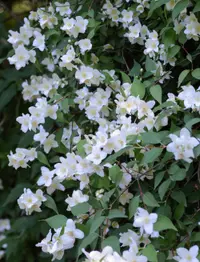
Staggered Rejuvenation

Every 2–3 years, remove 1–3 of the oldest stems right at ground level in late winter so younger shoots replace them gradually and the shrub maintains both vigor and flowering without looking suddenly bare.

Wind and Snow Management

In exposed sites, plant slightly out of prevailing winds or behind a fence, and after heavy wet snow gently shake or brush branches to reduce breakage on older, arching stems.

Mulch to Protect Roots

Apply a 5–8 cm layer of composted bark or wood chips over the root zone, keeping it a few cm away from the stems, to buffer soil temperature, conserve moisture, and reduce weed competition when growing Lewis' mock orange.

Flower Display Renewal

Right after the main bloom, selectively remove a few weak or inward-facing shoots to open the center of the shrub so light reaches flowering wood and the next season’s blossoms are more abundant and evenly distributed.

Common Pests and Diseases

Aphids

These insects cluster on young shoots and flower buds, sucking sap and causing curling, distortion, and sticky honeydew that can attract sooty mold.

Solution

Prune off heavily infested shoot tips, then wash remaining stems and leaves with a strong stream of water every few days; if needed, use insecticidal soap or a light horticultural oil, making sure to coat the undersides of leaves and repeat according to label directions.

Leafminers

This pest creates pale, winding tunnels within the leaves as larvae feed between the leaf surfaces, which can give foliage a blotchy, scorched appearance on mock orange shrubs in dry or stressed conditions.

Solution

Remove and dispose of affected leaves to reduce larvae, keep the shrub well watered during dry periods to limit stress, and if damage is recurring, apply a labeled systemic insecticide early in the season according to Philadelphus lewisii care instructions and local regulations.

Leaf spot

This disease causes small brown to purplish spots that may expand and merge, leading to premature yellowing and drop of older leaves, especially in dense, shaded plantings.

Solution

Rake and discard fallen leaves, thin out crowded branches to improve air movement and faster drying, and in severe, recurring cases consider applying a copper or chlorothalonil-based fungicide in spring when new leaves emerge, following label guidance.

Powdery mildew

This disease produces a white to gray, powdery coating on leaves and young stems, which can cause leaf distortion and reduced vigor in humid, still air conditions.

Solution

Increase sunlight and airflow by pruning overcrowded branches, avoid overhead watering late in the day, and treat persistent infections with a sulfur or potassium bicarbonate fungicide, making sure to cover both upper and lower leaf surfaces.

Scale insects

This pest appears as small, dome-shaped or flattened bumps on stems and leaf veins, extracting sap and causing yellowing, reduced flowering, and sticky honeydew deposits.

Solution

Gently scrape or prune off heavily infested twigs, use a soft brush and soapy water to dislodge light infestations, and apply a horticultural oil during the dormant season or when crawlers are active, ensuring thorough coverage of stems and branch crotches.

Interesting Facts

State shrub of Idaho

Lewis' mock orange is officially recognized as the state shrub of Idaho, reflecting its abundance and cultural visibility in the interior Pacific Northwest.

Fragrant night pollination

The strongly sweet, orange-like fragrance of the flowers is especially noticeable in the evening and helps attract nocturnal moths and other pollinators along streambanks and open woodlands.

Adapted to rocky slopes

In the wild, this shrub commonly grows on dry, rocky slopes and canyon walls, where its deep root system helps stabilize soil and access limited water.

Botan icon

Did you know?

The species name lewisii honors Meriwether Lewis of the Lewis and Clark Expedition, who collected this shrub in 1806 during the first documented scientific exploration of much of its native range in western North America.

FAQs about Lewis' mock orange

Lack of flowers often comes from pruning at the wrong time, removing flower buds formed on last year’s wood. Deep shade, heavy nitrogen fertilizing, or plants that are still very young also reduce or delay blooming.

Grow Healthy Plants with Botan Care

Keep your plants happy and healthy with plant identification, disease detection, and easy care guidance.

Botan plant care app — identify plants on mobile

Explore More Plants