Deep root training
During the first 2–3 years, water less often but deeply so moisture penetrates 30–40 cm, which encourages a deep, resilient root system that tolerates short dry spells better.

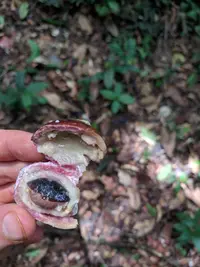
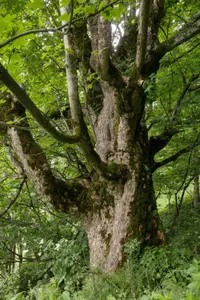
Pouteria reticulata is a tropical evergreen tree in the sapote family, valued mainly as a wild forest species rather than a common garden or houseplant. It typically develops a straight trunk with a rounded crown and simple, glossy green leaves.
This species occurs naturally in lowland tropical forests of Central and South America and the Caribbean, where it grows in warm, humid conditions. Its specific ecological preferences and slow adoption in cultivation mean it is better suited to experienced growers than beginners.
Those who care for Pouteria reticulata usually provide consistently moist, well-drained soil and bright, indirect light in frost-free climates or protected indoor setups.

Care Difficulty
Moderate Care

Light Preference
Partial Sun

Water Requirements
Moderate Water

Temperature Preference
Tropical / Frost Sensitive

Hardiness Zone
10–12

Soil Texture
Sandy, Loamy, Organic-rich

Soil pH
Acidic (5.5–6.5), Slightly acidic (6.5–7.0)

Soil Drainage
Well-drained

Fertilization
Minimal (feed rarely)
Scan your plant to receive care tips personalized for your specific plant
Available on iOS and Android
This tropical tree needs bright, stable light levels to produce healthy growth and flowering.
This species prefers consistently moist but not saturated soil, especially during active growth.
This tropical tree performs best in warm, frost-free conditions throughout the year.
This species prefers moderately humid air but copes with brief drier spells if roots are well hydrated.
Pouteria reticulata grows best in deep, well‑aerated, moisture‑retentive yet free‑draining soil.
This species can be grown in large containers when early growth or space limitations justify it.
This tropical tree responds to modest, targeted feeding in containers or managed landscapes.
Pruning is mainly used to maintain structure, safety, and light penetration in this tree.
This species is usually grown in the ground, so transplanting young trees correctly is more important than frequent repotting.
Propagation is typically done from seed and can be slow, so patience and warmth are essential.
This tropical tree is frost-sensitive and needs protection in climates with cool or freezing winters.

Plant Health Check
Not sure what's wrong with your plant? Check your plant's health inside the app.
This species is a canopy and subcanopy tree naturally found in lowland and premontane tropical forests from southern Mexico through Central America into parts of northern South America, often growing on well‑drained, humid sites.
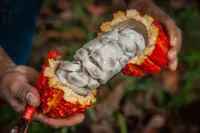
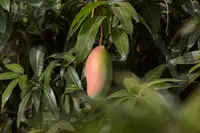
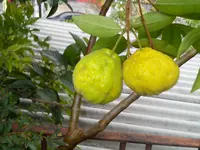
It produces small, thin‑skinned, berry-like fruits with a starchy to slightly sweet pulp, which are eaten locally by people in some parts of its range and more commonly by forest wildlife such as birds and small mammals.
Like many members of the Sapotaceae family, it contains white, milky latex in its tissues, a complex emulsion of polymers and secondary compounds that likely helps protect the plant from herbivores and pathogen attack.
This species can be container-grown when young, using a deep, sturdy pot and well-drained, fertile mix. Long term, it becomes a medium to large tree and usually outgrows pots, so plan for eventual in-ground planting.
Keep your plants happy and healthy with plant identification, disease detection, and easy care guidance.