Aciphylla squarrosa Care

Aciphylla squarrosa

About Aciphylla squarrosa

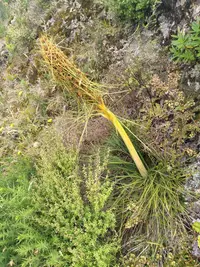
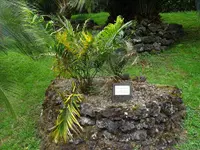
Aciphylla squarrosa, often called speargrass, is a hardy, tussock-forming perennial from New Zealand’s coastal and lowland areas. It belongs to the carrot family but looks very different from common garden carrots.

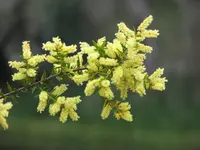
The plant forms dense clumps of stiff, narrow, sharply pointed leaves that give it a strongly architectural, spiky appearance. Mature plants may produce tall flowering stems with clusters of small yellowish flowers.

This species is adapted to windy, exposed, and often poor soils, which makes it relatively tough but slow-growing in cultivation. It suits dry, open sites with good drainage and full sun, and gardeners who care for Aciphylla squarrosa should allow enough space for its sharp foliage.


Main Plant Requirements

Care Difficulty

Moderate Care

Light Preference

Full Sun

Water Requirements

Low Water

Temperature Preference

Cold Hardy

Hardiness Zone

7–10

Soil Texture

Sandy, Loamy, Rocky

Soil pH

Slightly acidic (6.5–7.0), Neutral (7.0)

Soil Drainage

Well-drained

Fertilization

Minimal (feed rarely)

Get Personalized Care Plan

Scan your plant to receive care tips personalized for your specific plant

Available on iOS and Android

How to Care for the Aciphylla squarrosa

This alpine species prefers bright, open conditions similar to its native coastal and montane habitats.

  • Provide 6–8 hours of direct sun daily; full sun is best in cool, windy sites, while hot inland gardens benefit from light afternoon shade.
  • In very strong summer sun, protect from reflected heat and dark surfaces, which can scorch foliage even when the air is cool.
  • Plants in partial shade (3–4 hours direct sun) become looser and less compact, and Aciphylla squarrosa may flower less abundantly.

This plant is drought-tolerant once established and prefers consistently free-draining, slightly dry soil.

  • Allow the top 3–5 cm of soil to dry between waterings; avoid conditions where soil feels wet or sticky for more than 1–2 days.
  • During the first growing season, use thorough, deep watering, then reduce frequency once roots are established and new growth appears robust.
  • Overwatering shows as yellowing lower leaves and a soft crown, while underwatering first appears as limp, folding leaves that recover after a deep soak.

This hardy perennial is adapted to cool, windy climates but tolerates a fair temperature range in the garden.

  • Optimal growth occurs around 50–70°F (10–21°C), with strong performance in cool summers and exposed coastal sites.
  • Mature plants typically tolerate down to about 15–20°F (-9 to -6°C) with good drainage; prolonged frozen, waterlogged soil increases crown rot risk.
  • Heat tolerance reaches about 80–85°F (27–29°C) if soil stays slightly moist and roots are shaded; in hotter regions, use airflow and avoid reflective heat traps.

This species tolerates a wide humidity range and rarely needs special humidity management.

  • Target 30–60% humidity, similar to typical outdoor air in temperate regions.
  • Plants handle dry air well; browning leaf tips usually indicate underwatering or heat stress rather than low humidity.
  • If air is extremely dry and hot, group plants together and provide light shade to reduce transpiration and leaf moisture loss.

This plant prefers sharply drained, mineral-rich soil that mimics exposed, rocky habitats.

  • Use a gritty mix, such as 50–60% coarse sand or fine gravel blended with low-organic loam and a small amount of compost.
  • Ensure very rapid drainage; water should pass through the root zone within seconds, leaving no standing water around roots.
  • Aim for slightly acidic to neutral pH, around 6.0–7.0, avoiding strongly acidic or alkaline mixes that restrict nutrient uptake.
  • For reliable Aciphylla squarrosa care, avoid heavy clay, peat-heavy potting mixes, or compacted soils that stay wet for more than a few hours.

This species can be grown in containers if the pot is configured to stay dry and stable around the crown.

  • Choose a deep, narrow, heavy pot to support the tall, rigid foliage and reduce the risk of tipping in strong wind.
  • Raise the pot on feet or spacers so drainage holes remain clear and water does not pool under the base.
  • Fill the bottom third with coarse grit or scoria to keep the lower root zone exceptionally free-draining in wet weather.

This tough New Zealand native usually needs minimal feeding in open ground, especially in poor, well-drained soils.

  • In lean garden soil, apply a light dressing of compost or low-dose, balanced NPK granular fertilizer once in spring.
  • Use a slow-release product at 1/2 label strength to avoid soft, weak growth and salt buildup around the roots.
  • Skip feeding in winter and late fall, as growth is minimal and nutrients are not efficiently used.

Pruning needs for Aciphylla squarrosa are low and mainly focused on maintaining a clean, safe clump.

  • Best time is late winter or early spring before strong new growth begins.
  • Remove dead, damaged, or diseased foliage using clean, sharp hand pruners or snips.
  • Cut back completely brown or collapsed flower stems at the base to tidy the plant.
  • Avoid cutting into healthy central rosettes, as heavy trimming can distort the natural spiky form.

This deep-rooted species dislikes disturbance, so transplant only when clearly necessary.

  • Look for roots circling the pot, water running straight through, or stalled growth as signs a container plant needs more space.
  • Transplant in early spring or early fall, choosing a deep, sharply drained site with full sun exposure.
  • Move plants no more often than every few years to limit root shock and setbacks in establishment.
  • Lift with a generous soil ball, handle the taproot carefully, replant at the same depth, and water once to settle soil, then keep drainage excellent.

Propagation of Aciphylla squarrosa is mostly done from seed and requires patience and cool conditions.

  • Sow fresh seed in late fall or winter outdoors to allow natural cold stratification, which improves germination.
  • Use a free-draining, gritty mix and keep it just slightly moist, never saturated, to prevent rot.
  • Place trays in a bright, cool position and expect slow, uneven germination over several months.
  • Transplant seedlings gently into individual cells once they have several true leaves, keeping disturbance of young roots minimal.

Established plants are quite cold hardy and usually need little winter intervention in temperate climates.

  • Tolerates light to moderate frost once established, provided soil drains freely and does not stay waterlogged.
  • In colder regions, apply a thin gravel or coarse sand mulch to keep the crown drier over winter.
  • Container plants in very cold areas can be moved to a cold, bright, frost-free spot with excellent airflow.
  • Reduce watering in winter so the root zone stays only barely moist, which lowers the risk of rot.

Care Tips

Wind exposure management

Site plants where they receive strong air movement but are not funneled through narrow wind corridors that can snap older foliage, using low boulders or other rockery elements to diffuse gusts while still keeping the site open and dry.

Crown protection mulch

Apply a very thin, gritty mineral mulch such as fine gravel around but not over the crown to keep the neck dry, reduce weed pressure, and prevent soil from splashing into the tightly packed leaf bases.

Weed‑free establishment

Keep a 20–30 cm radius completely weed free during the first 1–2 growing seasons, hand-pulling rather than hoeing to avoid damaging the shallow, fibrous surface roots and young taproot.

Seed head handling

If seed is not required, cut back the spent flowering stems close to the base before they fully dry to reduce energy loss and prevent unwanted self-seeding into surrounding rockery or grassland plantings.

Integrated winter strategy

In areas with wet winters, slightly mound the planting site and ensure excellent drainage, then leave old foliage in place over winter as a modest insulation layer, removing it only in early spring to support long-term success when caring for Aciphylla squarrosa.

Common Pests and Diseases

Porina caterpillars

This pest feeds at night on foliage and young shoots, leaving irregular notches or stripped segments on the stiff leaves of speargrass. Symptoms include chewed foliage and frass pellets at the base of the plant.

Solution

Monitor at night with a torch and hand-pick caterpillars where practical, and encourage ground-dwelling predators by maintaining diverse surrounding vegetation. In severe cases, use a targeted biological control such as Bacillus thuringiensis (Bt) on actively feeding larvae, avoiding broad-spectrum insecticides that harm beneficial insects.

Grass grub beetle larvae

These insects live in the soil and feed on fine roots, which can cause gradual decline, poor vigor, and patchy yellowing or collapse of clumps, especially in lighter or sandy soils. Symptoms include loose, poorly anchored plants and visible C-shaped white grubs when soil is disturbed.

Solution

Reduce thatch and rank grass cover around plantings to make conditions less favorable, and expose grubs by shallowly cultivating the topsoil so birds can feed on them. For persistent problems, use a soil-applied biological control such as beneficial nematodes, applied to moist soil following label guidance.

Leaf spot fungus

This disease causes small tan to dark-brown lesions on the stiff leaves, sometimes with yellow halos, which can merge and give the plant a scorched or patchy appearance. Symptoms include premature browning of older leaves and cosmetic damage that can slowly reduce plant vigor under prolonged wet conditions.

Solution

Improve airflow by spacing plants well and avoiding overhead watering that keeps foliage wet for long periods. Remove and dispose of heavily spotted leaves, and if conditions stay wet and disease pressure is high, apply a targeted copper-based or other labeled ornamental fungicide to new foliage, following local regulations and label directions.

Crown rot

This disease develops in poorly drained or waterlogged sites, leading to a soft, discolored crown, wilting despite moist soil, and rapid collapse of the rosette from the center. Symptoms include a foul smell and tissue that breaks down easily at the base of the leaves.

Solution

Prevent problems by planting in sharply drained, gritty soil and avoiding organic mulches that hold moisture against the crown, which is central to effective Aciphylla squarrosa care instructions. At the first sign of rot, cut away affected tissue, improve drainage, and if most of the crown is affected, discard the plant and replant only in a well-drained position.

Interesting Facts

Harsh coastal specialist

This New Zealand species commonly grows on windswept coastal hills and cliffs, tolerating strong salt-laden winds and poor, rocky soils where many other plants cannot survive.

Spiky rosette architecture

The plant forms a stiff rosette of sharply pointed, rigid leaf segments that radiate outward, an adaptation that reduces grazing by herbivores and helps it withstand intense wind exposure.

Umbel flowers for insects

Like many members of the Apiaceae family, it produces branched umbels of small yellowish flowers that provide nectar and pollen for a wide range of native and introduced pollinating insects.

Botan icon

Did you know?

The Māori name for this species is taramea, and its strongly scented resin was traditionally collected and used as a valued perfume, sometimes traded as a high-status luxury item.

FAQs about Aciphylla squarrosa

This species is not well suited to indoor conditions. It prefers full sun, strong airflow, and cool outdoor temperatures. Indoors it usually becomes weak, leggy, and prone to rot, so it is best kept outside year-round.

Grow Healthy Plants with Botan Care

Keep your plants happy and healthy with plant identification, disease detection, and easy care guidance.

Botan plant care app — identify plants on mobile

Explore More Plants