Enhance Winter Color
Renew bright red stems by cutting back 1⁄3 of the oldest, dullest canes to near ground level each early spring, encouraging vigorous young shoots with stronger winter color.

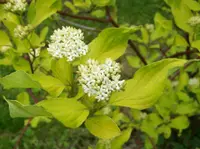
Tartarian dogwood, Cornus alba, is a hardy deciduous shrub valued for its vivid red stems, especially visible in winter when the leaves drop. It typically forms a dense, multi-stemmed thicket and is often used in borders, hedges, and naturalized plantings.
This species is native to parts of eastern Europe and northern Asia, where it grows in woodland edges and along riverbanks. Its toughness, strong cold tolerance, and ability to handle different soils make it relatively simple to care for Tartarian dogwood.
The plant prefers sun to light shade, consistent moisture, and moderately fertile, well-drained soil, but it adapts well to many typical garden conditions.

Care Difficulty
Easy Care

Light Preference
Full Sun

Water Requirements
Regular Water

Temperature Preference
Cold Hardy

Hardiness Zone
3–7

Soil Texture
Loamy, Clay, Organic-rich

Soil pH
Acidic (5.5–6.5), Slightly acidic (6.5–7.0)

Soil Drainage
Moist but well-drained

Fertilization
Minimal (feed rarely)
Scan your plant to receive care tips personalized for your specific plant
Available on iOS and Android
This shrub prefers full sun to light shade to develop strong stems and foliage color.
This shrub prefers evenly moist, well-drained soil and does not like extreme dryness or standing water.
This hardy shrub is adapted to cold climates but still benefits from moderate growing-season temperatures.
Humidity is rarely a limiting factor for Cornus alba in typical outdoor conditions.
Cornus alba grows best in moist, structured ground with stable drainage.
This species can be grown in large outdoor containers when given enough root volume and stable moisture.
Cornus alba grows well in average soil and benefits from modest, targeted feeding rather than heavy fertilization.
Pruning Cornus alba maintains strong stems, good color, and a balanced shrub shape.
Cornus alba is usually grown in the ground, so transplanting young shrubs correctly is more important than frequent repotting.
Cornus alba is commonly propagated from cuttings and by simple layering for consistent, true-to-type plants.
This shrub is generally very cold hardy and usually needs minimal winter care in garden beds.

Plant Health Check
Not sure what's wrong with your plant? Check your plant's health inside the app.
This species is known for young winter stems that turn bright red to crimson, especially in full sun and colder climates, while older stems become duller and are often pruned out to maintain vivid color in plantings.
In nature it often grows along rivers, streams, and wet meadows in Siberia and northeastern Asia, showing strong tolerance to seasonal flooding and cold, waterlogged soils that would stress many other shrubs.
Its white to bluish berries and dense branching provide food and shelter for birds and small mammals, and the flat-topped flower clusters attract a variety of pollinating insects in late spring to early summer.

Genetic and field studies show that this species hybridizes readily with related dogwoods such as Cornus sericea, and several widely grown ornamental red-stemmed dogwoods are actually hybrids whose parentage includes Cornus alba.
Poor flowering usually comes from too much shade, heavy pruning at the wrong time, or nutrient imbalance. Avoid cutting older stems in late winter only, ensure at least partial sun, and use a balanced, moderate fertilizer.
Keep your plants happy and healthy with plant identification, disease detection, and easy care guidance.