Mexican buckeye Care (Ungnadia speciosa)

Also known as: Texan buckeye
Mexican buckeye

About Mexican buckeye

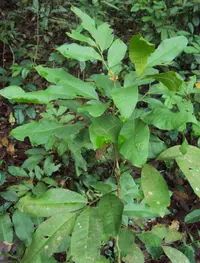
Mexican buckeye, Ungnadia speciosa, is a small deciduous tree or large shrub valued for its pink spring blossoms and tidy, multi-stemmed form. It typically develops a rounded crown and moderate growth rate, fitting well into urban gardens and naturalistic landscapes.

This species is native to dry woodlands and canyons of Texas and northern Mexico, where it tolerates heat, drought, and poor, rocky soils. Its adaptability and toughness make it relatively easy to establish, though it prefers full sun to light shade and well-drained soil.

Gardeners who care for Mexican buckeye often choose it for low-maintenance plantings that still offer seasonal interest from flowers, foliage, and decorative seed pods.

Main Plant Requirements

Care Difficulty

Easy Care

Light Preference

Full Sun

Water Requirements

Low Water

Temperature Preference

Cold Hardy

Hardiness Zone

6–9

Soil Texture

Sandy, Loamy, Rocky

Soil pH

Slightly acidic (6.5–7.0), Neutral (7.0)

Soil Drainage

Well-drained

Fertilization

Minimal (feed rarely)

Get Personalized Care Plan

Scan your plant to receive care tips personalized for your specific plant

Available on iOS and Android

How to Care for the Mexican buckeye

This deciduous shrub prefers bright, direct light in most outdoor landscapes.

  • Provide 6–8 hours of full sun daily, ideally with morning sun and light afternoon shade in hotter regions to reduce leaf scorch.
  • It tolerates light or dappled shade, but flowering and seed pod production decline if it receives under 4–5 hours of direct sun.
  • In summer, protect young Mexican buckeye plants from intense late-afternoon sun, while in winter unobstructed sun helps support strong bud and stem development.

This drought-tolerant shrub prefers deep, infrequent watering once established.

  • Allow the top 5–8 cm of soil to dry before watering, then soak the root zone deeply so moisture reaches at least 20–30 cm into the soil profile.
  • During the first 1–2 growing seasons, monitor weekly; drooping leaves, curled edges, and dry, crumbly soil indicate the need for a thorough soak.
  • Avoid poorly drained clay or standing water, which cause yellowing leaves, stem dieback, and root rot, especially in cool spring and fall conditions for Ungnadia speciosa.

This species is adapted to hot summers and cold winters in many temperate climates.

  • Optimal growth occurs around 65–85°F (18–29°C), with strong performance in warm springs and hot but not extreme summers.
  • Mature plants typically tolerate winter lows near 0°F (−18°C), going fully dormant and leafless during the cold season without protection.
  • In extreme heat above 100°F (38°C), provide mulch to cool the root zone and expect some leaf tip browning, which usually resolves once temperatures moderate.

This shrub tolerates a wide humidity range and rarely needs special humidity management.

Ungnadia speciosa prefers well-drained, slightly dry-leaning soil that still holds some moisture around the roots.

  • Use a sandy or gravelly loam with modest organic matter to mimic its native rocky habitat.
  • Ensure very fast drainage by blending mineral grit or coarse sand with compost in roughly a 2:1 ratio.
  • Aim for slightly acidic to neutral pH, around 6.0–7.5, avoiding strongly alkaline, compacted ground.
  • Avoid heavy clay that stays wet after rain; raise the planting area or use berms if natural drainage is poor.

This species can be grown in containers short term, mainly for young plants or small specimens.

  • Choose a deep, heavy container that resists tipping as the woody top growth becomes denser and more wind-exposed.
  • Use a sharply draining mix of roughly 50% coarse sand or grit with 50% loam-based compost to prevent waterlogging of woody roots.
  • Position the pot where runoff cannot re-enter the container, especially after storms, so the root zone dries predictably between waterings.

Ungnadia speciosa is adapted to low-nutrient soils and usually needs minimal feeding once established in the landscape.

  • For young container-grown plants, use a balanced slow-release fertilizer (for example 10-10-10) in early spring at label rates.
  • Alternatively, top-dress with a thin layer of compost over the root zone once a year during the growing season.
  • Avoid high-nitrogen products that encourage weak, fast growth; keep any liquid feed at 1/2 strength if used.
  • Do not fertilize during winter dormancy, as the Mexican buckeye is not actively growing.

Pruning Ungnadia speciosa is mainly done to maintain structure and remove problem wood rather than to control size strongly.

  • Schedule pruning for late winter to very early spring, before new growth starts.
  • Remove dead, diseased, crossing, or storm-damaged branches first, cutting back to healthy wood with clean, sharp bypass pruners or a pruning saw.
  • Thin crowded interior branches sparingly to improve airflow and light penetration, keeping the plant’s natural vase-like habit.
  • Limit heading cuts; shaping should be light to preserve flowering wood formed on older branches.

Ungnadia speciosa is most often grown in-ground, so care focuses on correct transplanting rather than frequent repotting.

  • Transplant young trees in late fall or very early spring, when they are dormant and air temperatures are mild.
  • Choose a sunny, well-drained site, and set the root flare at soil level while spreading roots outward to avoid circling.
  • Water thoroughly after planting and maintain even moisture for the first growing season to reduce transplant shock.
  • Avoid moving established specimens; their deep root systems make later transplanting stressful and with a low success rate.

Reproduction of Ungnadia speciosa is typically done from seed, as vegetative methods are less common and more challenging.

  • Collect ripe seeds from pods in late summer to fall, remove the outer coating, and sow promptly or store cool and dry.
  • Provide a period of cold stratification at about 35–40°F for 60–90 days to improve germination.
  • Sow in a free-draining mix, keep lightly moist, and place in bright, indirect light at 65–75°F.
  • Transplant seedlings to individual containers once they have several true leaves, handling roots gently to limit disturbance.

Ungnadia speciosa is cold hardy in much of its range and generally needs little winter care once established in the ground.

  • In regions with severe freezes, apply a 5–8 cm mulch layer over the root zone, keeping it slightly back from the trunk.
  • Young or newly planted trees benefit from consistent soil moisture going into winter to avoid drought stress.
  • Container-grown plants in colder climates can be shifted to an unheated but frost-free garage or porch to buffer extreme lows.

Care Tips

Root zone mulching

Apply a 5–8 cm layer of coarse organic mulch over the root zone, keeping it 5–10 cm away from the trunk, to stabilize soil moisture and temperature while suppressing weeds that compete with young plants.

Late-winter shaping

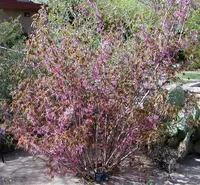
Inspect the tree in late winter and selectively remove crossing, rubbing, or very low interior branches to maintain a strong, open framework that supports good flowering and airflow as the plant matures.

Seed pod management

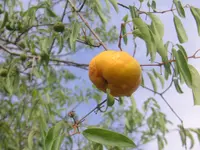
If seedling spread is not desired, remove developing seed pods once they start to brown but before they split, which reduces self-sown volunteers and conserves the plant’s energy for wood and flower production.

Drought hardening strategy

For established plants, gradually extend the interval between deep waterings over several growing seasons to encourage deeper root growth and improve resilience to hot, dry periods typical when growing Mexican buckeye.

Trunk and bark protection

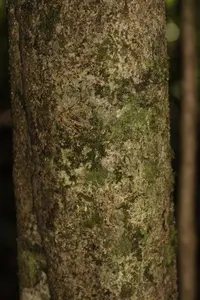
On young trees in exposed sites, use a breathable tree wrap or position a shade barrier on the southwest side to reduce the risk of sunscald and bark cracking during the first 2–3 summers.

Common Pests and Diseases

Leaf spot

This disease causes small tan to dark-brown spots on leaves, sometimes with a yellow halo, and can lead to premature leaf drop in wet seasons.

Solution

Remove and discard heavily spotted leaves to reduce fungal spores, avoid overhead watering, and prune nearby growth to improve air movement. In repeatedly wet springs, a copper- or chlorothalonil-based fungicide labeled for ornamental trees can be applied at bud break and repeated as directed if leaf spot has been a recurring issue.

Scale insects

These insects appear as small, rounded or oval bumps on stems and twigs, causing sap loss, weak growth, and sometimes sooty mold on nearby surfaces.

Solution

Prune out heavily infested twigs and dispose of them. For remaining infestations, scrub stems gently with a soft brush and soapy water, then apply a horticultural oil spray during the growing season or a dormant oil in late winter to smother remaining scale while protecting beneficial insects as much as possible.

Aphids

These insects cluster on young shoots and leaf undersides, sucking sap and causing distorted new growth and sticky honeydew that may attract sooty mold.

Solution

Dislodge aphids with a strong stream of water from a hose, repeating every few days as needed. If colonies persist, use insecticidal soap or a light horticultural oil sprayed thoroughly on new growth, targeting the undersides of leaves and avoiding treatments during high heat above about 85°F.

Leaf scorch

Symptoms include browning and drying of leaf edges or tips, often during hot, dry, and windy periods, especially on newly planted trees or those in shallow or compacted soils.

Solution

Water deeply but infrequently, allowing soil to dry slightly between waterings, and extend a mulch layer 5–8 cm deep over the root zone while keeping it away from the trunk. Avoid high-salt fertilizers and reduce other stress, such as heavy pruning in summer, while the tree establishes.

Canker

This disease causes sunken or cracked lesions on branches or small trunks, which can girdle twigs and lead to dieback, often after drought or mechanical injury.

Solution

Prune out affected branches at least 15–20 cm below visible cankers during dry weather, sterilizing pruning tools between cuts with 70% alcohol or a 10% bleach solution. Improve overall vigor by watering during extended drought and avoiding trunk wounds, which are common entry points for canker fungi and are important to address when considering how to take care of Mexican buckeye.

Interesting Facts

Toxic yet seasonally eaten

The seeds and young leaves contain toxic saponins, yet people in parts of Texas and northern Mexico traditionally leached and roasted the seeds to make them safer to eat, treating them somewhat like chestnuts.

Desert stream specialist

This small tree is naturally concentrated along dry washes, arroyos, and limestone slopes in Texas and northern Mexico, showing strong adaptation to alkaline, rocky soils and highly seasonal water availability.

Bee-attracting spring flowers

Its fragrant pink to rose flowers emerge on bare branches in early spring before the leaves, providing an important early nectar source for native bees in semi-arid habitats.

Botan icon

Did you know?

The genus Ungnadia is monotypic, meaning Ungnadia speciosa is the only species in the genus, which makes its conservation in its native range of Texas and northeastern Mexico especially important from an evolutionary standpoint.

FAQs about Mexican buckeye

Lack of blooms often results from too much shade, juvenile age, or stress from drought, recent transplanting, or heavy pruning. Stable conditions, adequate light, and avoiding excessive fertilization usually restore flowering over 1–3 seasons.

Grow Healthy Plants with Botan Care

Keep your plants happy and healthy with plant identification, disease detection, and easy care guidance.

Botan plant care app — identify plants on mobile

Explore More Plants