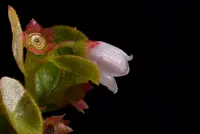
willow leaf cherry Care (Prunus incana)

willow leaf cherry

About willow leaf cherry

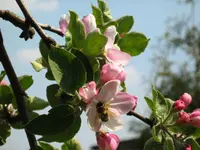
Willow leaf cherry, Prunus incana, is a small deciduous tree or large shrub valued for its narrow, willow-like leaves and light, airy crown. It often bears white spring blossoms followed by small stone fruits. In nature it is found in parts of Eurasia, typically in open woodlands, steppe edges, or river valleys with well-drained soils. The plant has a relatively hardy constitution but can be sensitive to prolonged waterlogging and very poor, compacted ground. It generally prefers full sun, moderate moisture, and neutral to slightly alkaline soil. Understanding how to care for willow leaf cherry starts with choosing a bright, open site and avoiding chronically wet conditions.

Main Plant Requirements

Care Difficulty

Moderate Care

Light Preference

Full Sun

Water Requirements

Moderate Water

Temperature Preference

Cold Hardy

Hardiness Zone

4–8

Soil Texture

Sandy, Loamy, Clay

Soil pH

Slightly acidic (6.5–7.0), Neutral (7.0)

Soil Drainage

Well-drained

Fertilization

Minimal (feed rarely)

Get Personalized Care Plan

Scan your plant to receive care tips personalized for your specific plant

Available on iOS and Android

How to Care for the willow leaf cherry

Prunus incana grows best in full sun but accepts light shade in warmer regions.

  • Provide 6–8 hours of direct sun daily; morning sun with light afternoon shade reduces leaf scorch in hot summers.
  • Plant in an open, unshaded position; 2–4 hours of filtered light is acceptable but flowering and fruiting may decrease in deeper shade.
  • In cooler climates, full sun all day is ideal, while in hotter areas protect from harsh west-facing afternoon sun to prevent leaf burn and stress.

Watering should keep the soil evenly moist but never saturated for healthy Prunus incana roots.

  • Allow the top 3–5 cm of soil to dry before deep watering, then wet the root zone thoroughly rather than giving light, frequent splashes.
  • In the first 1–2 growing seasons, monitor closely during dry spells; drooping leaves and dry, crumbly soil indicate thirst, while yellowing soft leaves suggest excess moisture.
  • Use well-drained soil or a raised bed so water does not pool; reduce watering in cool, rainy seasons and avoid standing water around the trunk.

Temperature tolerance is broad, but growth and flowering respond to seasonal ranges.

  • Active growth is strongest around 60–75°F (16–24°C), with normal outdoor fluctuations above and below this range well tolerated.
  • Once established, the shrub withstands winter lows near -20°F (-29°C), provided roots have good drainage and the plant is fully dormant.
  • Summer heat up to about 90–95°F (32–35°C) is usually tolerated if soil moisture is maintained; extreme heat or sudden warm spells after frost can damage early buds.

Prunus incana handles a wide humidity range and rarely needs special humidity management outdoors.

Prunus incana prefers moderately fertile, well-structured ground that drains freely yet holds some moisture.

  • Use a loamy or sandy-loam soil with 20–30% organic matter such as compost or well-rotted leaf mold to support steady growth.
  • Ensure rapid drainage; on heavy clay, create a raised bed and blend in coarse sand or fine gravel to prevent waterlogging around the roots.
  • Aim for slightly acidic to neutral pH (6.0–7.2); incorporate garden lime only if a soil test shows pH below this range.
  • Avoid compacted, permanently wet, or very shallow soils; loosen the planting area 30–40 cm deep to improve aeration and root penetration.

This species can be grown in containers for the medium term if the pot supports its woody root system and canopy weight.

  • Choose a deep, heavy container (e.g., thick-walled ceramic) to anchor the increasingly woody root ball and reduce tipping in strong winds.
  • Select a pot width at least 2–3× the initial root spread to allow lateral root expansion without rapid substrate drying at the edges.
  • Use a gritty mix with 30–40% mineral aggregate (grit, perlite, or pumice) so drainage remains stable as the organic fraction decomposes over time.

Prunus incana benefits from light, controlled feeding during the active growing season, especially in poorer soils.

  • Apply a balanced granular or slow-release fertilizer (around 8-8-8 to 10-10-10) once in early spring, just as growth begins.
  • Use a modest dose based on label directions and avoid piling fertilizer against the trunk or stems.
  • On richer soils, use only a thin layer of compost around the drip line instead of synthetic fertilizer.
  • Avoid feeding in late summer or winter, as willow leaf cherry should enter dormancy without fresh nitrogen pushing new growth.

Prunus incana responds well to thoughtful structural pruning that maintains an open, healthy canopy.

  • Schedule main pruning in late winter to very early spring, before buds break and sap flow increases.
  • Remove dead, diseased, crossing, or inward-growing branches first, cutting back to sound wood or the branch collar.
  • Thin congested interior shoots to improve airflow and light penetration, helping reduce fungal issues.
  • Use sharp bypass pruners or a clean pruning saw, making smooth cuts that do not leave ragged stubs.

This species is usually grown in the ground, so focus on careful transplanting rather than frequent repotting.

  • Transplant young trees in late fall or early spring, while the plant is dormant and soil is workable.
  • Look for signs such as circling roots in nursery pots or slow, stunted growth indicating it has outgrown the container.
  • Move up only 1 pot size or into a prepared ground hole about 2–3 times the root ball width with loosened surrounding soil.
  • Water thoroughly after planting, then keep soil evenly moist for several weeks to limit transplant shock and support new root growth.

Prunus incana is usually propagated by seeds or semi-hardwood cuttings under controlled conditions.

  • Collect ripe seeds in late summer to fall, clean the pulp, and apply cold stratification in moist medium for several months.
  • Sow stratified seeds in a free-draining, sterile mix at cool to mild temperatures with consistent, light moisture.
  • Take semi-hardwood cuttings in mid to late summer, 10–15 cm long, from healthy, non-flowering shoots.
  • Insert cuttings into a well-drained medium, provide high humidity and bright, indirect light, and use rooting hormone to improve success.

This cold-hardy species usually needs minimal winter attention once established in the landscape.

  • In regions with severe freeze-thaw cycles, add a 5–8 cm layer of organic mulch around the root zone, keeping it away from the trunk.
  • Young or newly planted trees benefit from mulch and good soil drainage to prevent heaving and root damage.
  • Container-grown plants in colder zones should be sunk into the ground, wrapped, or moved to an unheated but frost-free shelter.

Care Tips

Rootstock selection

Use a compatible, disease-resistant rootstock when grafting to improve vigor, control ultimate size, and increase tolerance to local soil and climate conditions.

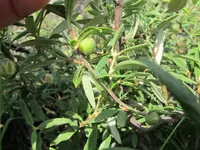
Branch angle training

While shoots are still flexible, spread narrow crotch angles to about 45–60° with spacers or soft ties to create a stronger branch framework that resists breakage under fruit and snow load.

Sanitary pruning practice

Disinfect pruning tools with 70% isopropyl alcohol between trees and after removing any diseased wood to reduce the spread of canker and bacterial infections.

Trunk and bark protection

In regions with strong winter sun, apply a commercial tree wrap or white trunk paint on young stems to limit sunscald and frost cracking on the bark.

Targeted pest scouting

From early spring to midsummer, inspect leaf undersides and new shoots weekly with a hand lens so that aphids, scale, and early fungal spots are detected and treated before they compromise overall Prunus incana plant care.

Common Pests and Diseases

cherry leaf spot

This disease causes small purple to reddish spots on leaves that later turn brown and may drop early, weakening the shrub or tree over time. Symptoms include thinned foliage and reduced vigor, especially after wet spring and early summer weather.

Solution

Collect and discard fallen leaves in autumn to reduce overwintering spores, and avoid overhead watering that keeps foliage wet. In areas with recurring problems, apply a copper or chlorothalonil-based fungicide at bud break and repeat according to label directions during prolonged wet periods, combined with regular pruning to improve air circulation.

powdery mildew

This disease produces a white to gray powdery coating on young leaves and shoots, often leading to distorted growth and reduced photosynthesis. Symptoms include curling leaves, stunted new growth, and a dull, dusty look on the plant surface.

Solution

Prune crowded interior branches to improve airflow and avoid excess nitrogen fertilization that encourages soft, mildew-prone growth. At first sign of infection, remove the worst-affected shoots and use a labeled sulfur or potassium bicarbonate spray, repeating as recommended when weather stays warm and humid.

black knot

This disease forms hard, black, elongated swellings on twigs and branches that can girdle and kill affected parts. Symptoms include rough, tar-like galls that become more obvious over 1–2 seasons and may attract secondary pests.

Solution

During dormancy, prune out infected branches at least 15–20 cm below each knot and destroy all removed material, disinfecting tools between cuts. Maintain good spacing and light penetration in the canopy, and in regions with chronic black knot pressure, consider preventive fungicide sprays at green tip through petal fall according to local extension recommendations.

aphids

These insects cluster on young shoots and leaf undersides, sucking sap and excreting sticky honeydew that can lead to sooty mold. This pest can cause leaf curling, distorted new growth, and reduced vigor in young Prunus incana plants.

Solution

Dislodge colonies with a firm stream of water, and encourage natural predators like lady beetles by avoiding broad-spectrum insecticides. For persistent infestations, use insecticidal soap or a light horticultural oil thoroughly on leaf undersides and tender shoots, repeating as needed according to label directions.

shot hole borer

These insects tunnel into small branches and twigs, leaving tiny round exit holes and causing dieback of affected parts. This pest often targets stressed plants and can introduce staining fungi into the wood.

Solution

Promptly prune and dispose of infested twigs and weak, dying branches to remove larvae and improve overall plant health. Reduce stress through proper watering and soil management, and in areas with documented pressure, consult local extension guidance on timing any trunk or branch sprays specifically labeled for borer control as part of broader Prunus incana plant care.

Interesting Facts

Natural riverbank stabilizer

Prunus incana often grows along rivers and mountain streams in its native range, where its root system helps stabilize loose, gravelly or sandy banks and reduce erosion.

Cold-tolerant shrub cherry

This species is adapted to continental climates of Central Asia and adjacent regions, tolerating cold winters and dry conditions better than many other cherry relatives, which makes Prunus incana care different from typical ornamental cherries.

Early-season wildlife resource

Its early spring flowers provide nectar and pollen for bees and other pollinators, and later in the season its small drupes are eaten by birds and mammals, supporting local food webs in relatively harsh habitats.

FAQs about willow leaf cherry

Lack of flowering often comes from insufficient light, heavy pruning at the wrong time, or nutrient imbalance. Avoid cutting young shoots after flowering, maintain moderate fertilization, and ensure the plant receives strong, unshaded outdoor light.

Grow Healthy Plants with Botan Care

Keep your plants happy and healthy with plant identification, disease detection, and easy care guidance.

Botan plant care app — identify plants on mobile

Explore More Plants