Eugenia florida Care

About Eugenia florida

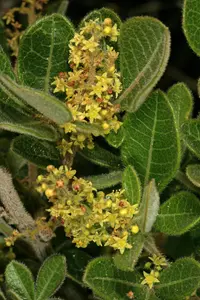
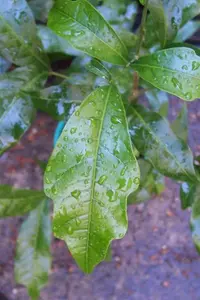
Eugenia florida is a small evergreen tree or large shrub in the myrtle family, valued mainly for its dense foliage and ornamental form. It typically has glossy green leaves, a rounded crown, and small flowers that may be followed by attractive berries, giving it landscape interest in warm climates.

This species is native to tropical regions of the Americas, where it grows in warm, humid habitats. It responds well to regular pruning, which can make it suitable for hedges or shaped specimens, but this also means it needs some maintenance to look its best.

To care for Eugenia florida, provide bright light, moderate moisture, and well-drained soil to support steady, healthy growth.

Main Plant Requirements

Care Difficulty

Moderate Care

Light Preference

Partial Sun

Water Requirements

Moderate Water

Temperature Preference

Tropical / Frost Sensitive

Hardiness Zone

10–11

Soil Texture

Sandy, Loamy, Organic-rich

Soil pH

Acidic (5.5–6.5), Slightly acidic (6.5–7.0)

Soil Drainage

Moist but well-drained

Fertilization

Minimal (feed rarely)

Get Personalized Care Plan

Scan your plant to receive care tips personalized for your specific plant

Available on iOS and Android

How to Care for the Eugenia florida

This shrub prefers bright conditions similar to open woodland edges.

  • Provide 4–6 hours of direct morning sun with light afternoon shade; strong late-day sun in hot summers can scorch young foliage.
  • Tolerates light to medium partial shade, but dense shade reduces flowering and makes plants leggy over time, especially for Eugenia florida hedges.
  • In cooler months, slightly more direct sun is beneficial; in hot climates, use filtered light from trees or structures to soften midday intensity.

This species prefers evenly moist but not saturated soil.

  • Water when the top 3–5 cm of soil feels dry; soil below should still feel slightly damp, not dusty or soggy.
  • Increase watering frequency in hot, windy periods and for sandy soils; reduce in cool or rainy seasons to prevent waterlogging of fine roots.
  • Symptoms of overwatering include yellowing leaves and soft stems, while dry, curling leaves and slowed growth indicate the need for deeper, more thorough watering for Eugenia florida.

This plant grows best in warm, frost-free climates.

  • Optimal growth occurs around 65–85°F (18–29°C), with steady warmth supporting dense foliage and good branching.
  • It tolerates brief dips to about 40°F (4°C), but growth slows; repeated exposure below this can cause leaf drop and dieback.
  • Avoid frost and freezing; temperatures near or below 32°F (0°C) can damage tissues, while heat above 95°F (35°C) calls for extra shade and soil moisture monitoring.

This species prefers moderate to moderately high humidity for stable growth.

  • Aim for 50–70% humidity, as very dry indoor air can slow growth and cause marginal leaf browning.
  • Tolerates short periods around 40% humidity but prolonged dryness leads to curled, crisp leaf edges and increased leaf drop.
  • Increase humidity by grouping plants, placing the pot on a pebble tray with water below the pot base, or using a small room humidifier near Eugenia florida.

This shrub grows best in a well-structured, draining substrate that stays evenly moist but not waterlogged.

  • Use a loamy mix with 40–60% organic matter, such as composted bark or leaf mold, plus mineral material to prevent compaction.
  • Ensure fast drainage by blending in perlite or coarse sand at 20–30% of the mix to keep air spaces around the roots.
  • Keep pH slightly acidic to neutral, around 6.0–7.0, avoiding strongly alkaline substrates that can limit nutrient uptake and cause chlorosis.
  • Avoid heavy clay, peat-only mixes, or soil that stays wet for more than 24 hours after watering, as this increases root rot risk for Eugenia florida.

This species is suitable for container growing when root space and drainage are managed carefully.

  • Choose a pot slightly deeper than it is wide to accommodate a developing woody root system and reduce tipping in wind-exposed sites.
  • Select a heavier material such as ceramic or thick-walled terracotta in outdoor settings to stabilize the plant’s upright canopy.
  • Raise the container slightly on feet or blocks so drainage holes stay clear and excess water exits quickly after rain or irrigation.

Fertilization supports steady growth and foliage density in Eugenia florida, especially in containers.

  • Use a balanced, slow-release granular fertilizer (for example 10-10-10) or well-aged compost mixed into the topsoil at the start of spring.
  • Feed container plants every 6–8 weeks during the growing season, following label rates and never exceeding them.
  • For liquid feeds, apply at 1/2 strength to moist soil to reduce root burn risk and avoid contact with leaves.
  • Stop feeding in late summer to early fall so growth hardens before winter, and do not fertilize during winter dormancy.

Pruning helps maintain shape, density, and plant health in Eugenia florida.

  • Carry out structural pruning in late winter to early spring before active growth begins.
  • Use clean, sharp hand pruners to remove dead, diseased, crossing, or inward-growing shoots back to healthy wood.
  • Shorten overly vigorous or uneven branches to maintain a compact form or hedge line, cutting just above a leaf node or side branch.
  • Light tip pinching after flushes of growth can increase branching and encourage a fuller canopy.

Transplanting or repotting Eugenia florida keeps roots healthy and supports long-term vigor, especially in containers and young landscape plants.

  • Look for circling roots at drainage holes, frequent wilting, or slowed growth as signs that a container plant needs a larger pot.
  • Plan repotting or landscape transplanting for early spring, or mild early fall in warm climates, to allow strong root establishment.
  • For pots, shift up only 1–2 in in diameter every 2–3 years, using a well-drained, slightly acidic mix to limit waterlogging.
  • Minimize root stress by watering well before moving, handling the root ball gently, backfilling firmly, and shading or wind-sheltering for 1–2 weeks after.

Propagation of Eugenia florida is commonly done from semi-hardwood cuttings and seeds when plants are healthy and disease-free.

  • Take 8–12 cm semi-hardwood cuttings in late spring to summer, removing lower leaves and lightly wounding the base.
  • Dip bases in a rooting hormone and place cuttings in a sterile, well-drained mix under high humidity and bright, indirect light.
  • Maintain temperatures around 70–77°F and keep the medium just moist, not waterlogged, until roots develop.
  • Sow fresh seeds in spring in a free-draining medium, cover lightly, keep warm, and thin or pot on once seedlings have several true leaves.

Winter care for Eugenia florida depends on local climate, as this species is not reliably hardy in regions with sustained freezing temperatures.

  • In areas with frost, mulch the root zone with 5–8 cm of bark or leaf mold to stabilize soil temperatures and moisture.
  • Wrap young stems with horticultural fleece or burlap during cold snaps to reduce freeze damage to bark and buds.
  • Move container plants indoors or into a bright, frost-free greenhouse when temperatures threaten to drop below 32°F and water sparingly.

Care Tips

Salt-tolerant placement

Use this species as a hedge or screen in mildly coastal areas, as it tolerates light salt spray better than many shrubs but still benefits from a windbreak or taller plants on the seaward side.

Root-zone mulching

Maintain a 5–8 cm layer of organic mulch under the canopy, keeping it 5 cm away from the trunk, to stabilize soil moisture and temperature and reduce competition from lawn grass around the shallow feeder roots.

Formal hedge shaping

When training a dense hedge, use a taut string line and trim so the base is slightly wider than the top, which improves light penetration to lower foliage and reduces bare patches over time.

Regrowth management

After any hard cutback, thin out some of the new shoots rather than letting all of them grow, which channels energy into fewer, stronger branches and maintains good air circulation inside the plant.

Pest scouting routine

Inspect tender new growth every 2–3 weeks for scale insects and sooty mold, especially in warm, still conditions, and treat early with horticultural oil according to label directions as part of caring for Eugenia florida.

Common Pests and Diseases

Eugenia psyllid

This pest feeds on young foliage and shoot tips, causing cupped, distorted leaves and small blister-like swellings on the surface. Symptoms include sticky honeydew and sooty mold developing on affected leaves.

Solution

Prune and discard heavily infested shoot tips, then hose down the plant to remove remaining nymphs. For ongoing outbreaks, use repeated applications of insecticidal soap or a light horticultural oil on new growth, and reduce excess nitrogen fertilizer that encourages soft, highly susceptible shoots.

Guava moth

This pest lays eggs on flower buds and developing fruits, and the larvae bore inside, causing internal tunneling, premature fruit drop, and frass at the entry points. Damaged fruit often becomes deformed and unusable.

Solution

Collect and destroy all infested or fallen fruit to break the life cycle, and avoid leaving ripe fruit on the plant for long periods. In outdoor plantings, use fine insect mesh or bag individual fruits, and in areas with heavy pressure consider pheromone traps to monitor and reduce adult moth populations.

Anthracnose

This disease causes small dark leaf spots that may enlarge and coalesce, sometimes leading to tip dieback on young twigs and blemishes on fruit. Symptoms include tan centers with darker margins and, in humid conditions, a slight dark fungal growth on lesions.

Solution

Remove and discard affected leaves and twigs, and keep the canopy thinned so air can move freely and foliage dries quickly. Avoid overhead watering, irrigate at the soil level, and in recurrent cases apply a copper-based fungicide according to label directions at the start of warm, wet periods as part of broader Eugenia florida care instructions.

Leaf spot complex

This disease group, caused by several fungi, produces scattered round to irregular spots in shades of brown, purple, or gray on older leaves, sometimes leading to premature leaf drop. Symptoms include heavier spotting on lower, shaded foliage where moisture lingers.

Solution

Rake and dispose of fallen leaves, and avoid wetting the foliage when watering to reduce spread. Improve light penetration and airflow through pruning, and if spotting is persistent, use a labeled ornamental fungicide in rotation with good sanitation practices.

Scale insects

These insects appear as small, immobile bumps on stems and leaf undersides, drawing sap and causing yellowing, stunted growth, and sticky honeydew with possible sooty mold. Heavy infestations can weaken plants and reduce flowering and fruiting.

Solution

Wipe or gently scrape off visible scales on small plants, and prune out heavily infested twigs. Follow with repeated applications of horticultural oil, ensuring thorough coverage of stems and leaf undersides, and encourage natural predators by avoiding broad-spectrum insecticides on surrounding vegetation.

Interesting Facts

Myrtle family shrub

Eugenia florida is a woody shrub or small tree in the myrtle family (Myrtaceae), characterized by opposite leaves with visible oil glands that release a faint aromatic scent when crushed.

Showy brush-like flowers

The species produces clusters of white, brush-like flowers with many stamens, which are highly attractive to bees and other pollinating insects in its native tropical habitats.

Bird-dispersed berries

It forms small fleshy berries that turn from green to reddish or purplish when ripe, providing food for birds that help disperse its seeds over short to moderate distances.

FAQs about Eugenia florida

Lack of blooms usually comes from insufficient light, heavy pruning at the wrong time, or nutrient imbalance with too much nitrogen. Ensure strong light, avoid cutting new shoots before flowering, and use a balanced, slow‑release fertilizer.

Grow Healthy Plants with Botan Care

Keep your plants happy and healthy with plant identification, disease detection, and easy care guidance.

Botan plant care app — identify plants on mobile

Explore More Plants