tasselberry Care (Antidesma venosum)

Also known as: Antidesma
tasselberry

About tasselberry

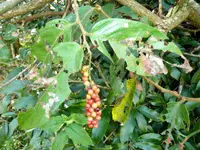
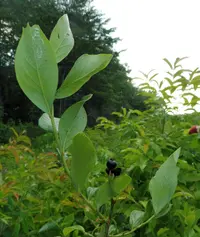
Tasselberry (Antidesma venosum) is a tropical evergreen shrub to small tree, valued for its dense foliage and decorative strings of small berries. It typically has glossy, oval leaves and forms a rounded crown, making it suitable for hedging or as a specimen plant in warm climates.

This species is native to parts of eastern and southern Africa, where it grows in woodland edges and riverine areas. Its toughness, moderate growth rate, and tolerance of seasonal dryness make it relatively straightforward for gardeners who understand how to care for tasselberry.

It generally prefers bright light, protection from frost, and soil that drains well but does not stay dry for long periods.


Main Plant Requirements

Care Difficulty

Moderate Care

Light Preference

Partial Shade

Water Requirements

Moderate Water

Temperature Preference

Tropical / Frost Sensitive

Hardiness Zone

10–11

Soil Texture

Loamy, Sandy, Organic-rich

Soil pH

Acidic (5.5–6.5), Slightly acidic (6.5–7.0)

Soil Drainage

Moist but well-drained

Fertilization

Minimal (feed rarely)

Get Personalized Care Plan

Scan your plant to receive care tips personalized for your specific plant

Available on iOS and Android

How to Care for the tasselberry

Antidesma venosum prefers warm, bright conditions that mimic its natural woodland edge habitat.

  • Provide 4–6 hours of morning sun with light afternoon shade; dappled or filtered light under taller trees works well.
  • Plant where it receives partial shade during the hottest hours; harsh afternoon sun can scorch leaves, especially young tasselberry shrubs.
  • In cooler seasons, slightly more direct sun is beneficial, but in summer prioritize protection from strong 12–4 pm sun to prevent leaf burn.

This species prefers consistently moist but not waterlogged soil throughout the active growing season.

  • Water when the top 3–5 cm of soil feels dry, allowing deeper soil to stay lightly moist, especially during warm months.
  • Use deep, infrequent watering that penetrates 15–20 cm, combined with well-drained soil; soggy conditions cause yellowing leaves and root rot.
  • Reduce watering in cooler months as growth slows, watching for drooping or curling leaves as a sign the plant needs moisture sooner.

This shrub thrives in warm, frost-free climates typical of subtropical and tropical regions.

  • Maintain ideal growing temperatures around 68–86°F (20–30°C); steady warmth supports strong vegetative growth and fruiting.
  • Protect from cold; growth slows below 59°F (15°C) and plants can be damaged if exposed to prolonged temperatures near 41°F (5°C).
  • Avoid frost and freezing; temperatures at or below 32°F (0°C) can kill young plants, while extreme heat above 95°F (35°C) calls for extra shade and soil moisture management.

This species handles a wide humidity range but grows best with moderate ambient moisture.

  • Aim for 40–60% humidity, which most homes provide without adjustment.
  • Dry indoor air can cause marginal leaf browning and slow growth, especially near heaters or strong air conditioning.
  • Raise humidity with a nearby pebble tray or grouping plants together, rather than misting, to avoid fungal issues on tasselberry foliage.

This species prefers well-drained, slightly acidic to neutral, organically enriched soil.

  • Use a loamy mix with 40–50% compost, 30–40% garden soil, and 10–20% coarse sand or fine bark for structure.
  • Ensure rapid drainage; water should infiltrate quickly and not pool, which helps prevent root rot in Antidesma venosum.
  • Keep pH around 6.0–7.0; amend alkaline soils with peat, pine bark, or sulfur to nudge pH downward.
  • Improve aeration by blending in perlite or coarse sand and avoid heavy clay or compacted ground that stays waterlogged.

This shrub can be grown successfully in containers when sized and drained correctly.

  • Choose a deep, heavy container that resists tipping as the shrub gains height and woody branches.
  • Select a pot with large, unobstructed drainage holes so water exits quickly after irrigation.
  • Use a slightly wider-than-deep pot to allow lateral root spread while keeping the root mass stable in wind-exposed positions.

Antidesma venosum responds well to modest feeding but grows acceptably on reasonably fertile soil.

  • Apply a balanced granular or slow-release fertilizer (around 10-10-10) once at the start of the warm growing season.
  • On poorer soils, supplement with a light side-dressing of compost to improve structure and long-term nutrient supply.
  • Use at 1/2 the label rate for ornamental trees to avoid excessive, weak growth and reduce leaching.
  • Stop feeding tasselberry in late summer so new shoots harden before cooler weather.

Antidesma venosum benefits from light, targeted pruning to maintain structure and plant health.

  • Schedule main pruning for late winter or very early spring, before active growth resumes.
  • Remove dead, diseased, crossing, or storm-damaged branches first, using clean, sharp bypass pruners or loppers.
  • Thin congested interior shoots to improve light penetration and air flow, which supports healthy foliage and fruiting.
  • Shorten or shape overly long branches lightly to keep a balanced crown without heavy topping cuts.

This species is usually grown in the ground, so management focuses on careful transplanting rather than frequent repotting.

  • Shift container-grown plants or field seedlings when roots circle the pot, growth slows, or soil dries out very quickly.
  • Plan transplanting for late spring or early summer in warm climates, once frost risk is past and soil is workable.
  • Move young plants every 2–3 years at most, keeping an intact root ball and watering deeply before and after planting.
  • Reduce root stress by handling roots gently, trimming only broken ones, planting at the same depth, and shading temporarily in very hot, dry weather.

Antidesma venosum is propagated mainly by seeds and semi-hardwood cuttings under warm, stable conditions.

  • Collect ripe fruits, clean seeds, and sow them in a free-draining mix; provide gentle warmth and consistent moisture for germination.
  • Take semi-hardwood cuttings in late spring to midsummer, 10–15 cm long, with several nodes and healthy leaves.
  • Dip cut bases in a rooting hormone, then place in a humid, bright but shaded environment with bottom heat if possible.
  • Use sterile tools and media, provide good air circulation, and avoid waterlogging to minimize rot and promote strong root systems.

In mild, frost-free or only lightly frosty climates, Antidesma venosum usually needs minimal winter care once established.

  • In areas with occasional light frost, apply a 5–8 cm mulch layer around the root zone, keeping it slightly back from the trunk.
  • For young or potted plants in cooler regions, shift containers into a bright, sheltered spot such as a porch or unheated greenhouse.
  • Avoid waterlogged soil during cool periods; allow the top layer to dry slightly between waterings to limit root stress.

Care Tips

Formative framework pruning

In the first 2–3 years, selectively keep 3–5 strong main stems and remove weak, crossing, or inward-facing shoots to build an open, vase-shaped framework that supports better light penetration and heavier fruiting later on.

Mulch for root stability

Apply a 5–8 cm layer of coarse organic mulch around the root zone, keeping it 5–10 cm away from the trunk, to buffer soil temperature swings, suppress weeds, and protect the relatively shallow feeder roots from mechanical damage.

Windward side staking

In exposed sites, place a single sturdy stake on the prevailing-wind side and secure the young trunk with a soft, figure‑8 tie, checking and loosening it every 3–4 months to prevent girdling while the wood strengthens.

Targeted sucker management

Inspect the base and root zone every 4–6 weeks and remove basal suckers and root sprouts flush with their point of origin so the plant’s energy is directed to the main canopy and fruiting branches.

Wildlife and bird netting

Where birds or small mammals strip ripening berries, drape fine, UV-stable netting over a simple frame around the shrub just before fruit colors fully, ensuring the mesh is tensioned and raised off the foliage to avoid trapping animals while still protecting the crop when growing tasselberry.

Common Pests and Diseases

Scale insects

This pest often clusters on stems, young shoots, and the undersides of leaves, sucking sap and weakening tasselberry shrubs. Symptoms include sticky honeydew, sooty black growth on leaves, and general decline in vigor.

Solution

Prune out heavily infested twigs and wipe remaining scales from stems and leaves with a cloth dipped in soapy water or diluted isopropyl alcohol. For larger shrubs outdoors, apply a horticultural oil spray during mild weather, coating stems and leaf undersides to smother crawlers, and encourage natural predators such as lady beetles by avoiding broad-spectrum insecticides.

Leaf spot

This disease causes small brown to dark-purple lesions on leaves that may expand, merge, and lead to premature leaf drop, especially in warm, humid conditions. Symptoms include scattered spots on older foliage first, then progressing to younger leaves if conditions stay wet.

Solution

Remove and discard affected leaves from the plant and ground to reduce the source of infection, and avoid overhead watering so foliage dries quickly. Improve air circulation by thinning crowded branches and, if spotting is severe and recurrent, use a copper-based or other labeled fungicidal spray during peak warm, wet periods, following label directions carefully.

Sooty mold

This disease appears as a black, powdery to velvety coating on leaves and stems that develops on the sugary honeydew excreted by sap-sucking insects such as scale or aphids. Symptoms include dulled, sticky foliage and reduced photosynthesis, causing slow growth over time.

Solution

Focus on controlling the underlying honeydew-producing insects with methods such as horticultural oil or insecticidal soap so new growth stays clean. Gently wash affected leaves with a soft cloth and lukewarm water to remove the mold layer, and improve light penetration and air movement through moderate pruning and spacing.

Aphids

These insects cluster on tender shoot tips and the undersides of young leaves, sucking plant sap and distorting new growth. Symptoms include curled leaves, sticky honeydew, and sometimes ant activity on the shrub.

Solution

Dislodge colonies by spraying the plant with a firm stream of water, focusing on shoot tips and leaf undersides. For persistent infestations, use insecticidal soap or a light horticultural oil applied in the early morning or late afternoon, repeating as needed and monitoring for beneficial insects such as lady beetles and lacewings.

Interesting Facts

Multicolored fruit strings

The shrub often bears pendulous strings of berries that show several ripening stages at once, so green, red, and almost black fruits can appear together on the same infructescence.

Specialist bird dispersers

Its fleshy berries are an important food source for frugivorous birds in African woodlands, which in turn disperse the seeds and help maintain natural populations.

From forest margins

This species is naturally found along forest edges, riverine thickets, and woodland margins in eastern and southern Africa, reflecting an adaptation to bright but slightly sheltered habitats.

Botan icon

Did you know?

In parts of southern Africa, the dark ripe berries are traditionally used as a natural dye, producing purple to black stains that can color food and sometimes fabrics.

FAQs about tasselberry

Lack of flowering usually comes from insufficient light, nutrient-poor or very nitrogen-heavy soil, or plants that are still immature. Light pruning after fruiting and maintaining steady moisture without waterlogging often improves bud formation in the next season.

Grow Healthy Plants with Botan Care

Keep your plants happy and healthy with plant identification, disease detection, and easy care guidance.

Botan plant care app — identify plants on mobile

Explore More Plants