Renewal coppicing
Every 3–5 years, cut one-third of the oldest stems to 5–10 cm above the ground in late winter to encourage dense new growth and brighter stem color.


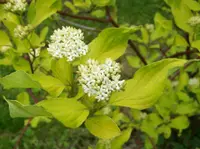
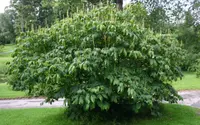
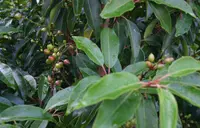
Silky dogwood, Cornus amomum, is a deciduous shrub native to moist lowlands, stream banks, and wetlands in eastern North America. It naturally forms thickets that provide excellent wildlife cover. The plant has oval green leaves, flat clusters of small white spring flowers, and pale blue to white berries that attract birds. Stems often show reddish to purplish tones, adding seasonal interest in the landscape. It is generally robust and adaptable, which makes it fairly straightforward to care for silky dogwood in many garden settings. Best growth occurs in moist, well-drained soil with sun to partial shade.

Care Difficulty
Easy Care

Light Preference
Partial Sun

Water Requirements
Keep Soil Moist

Temperature Preference
Cold Hardy

Hardiness Zone
4–8

Soil Texture
Loamy, Clay, Organic-rich

Soil pH
Acidic (5.5–6.5), Slightly acidic (6.5–7.0)

Soil Drainage
Waterlogged tolerant

Fertilization
Minimal (feed rarely)
Scan your plant to receive care tips personalized for your specific plant
Available on iOS and Android
This shrub thrives in full sun to partial shade with thoughtful site placement.
This species prefers consistently moist soil but reacts poorly to extremes.
This hardy shrub tolerates a wide temperature range when established in the landscape.
This species is adaptable to outdoor humidity and rarely needs special humidity management.
This shrub grows best in consistently moist, deep, loamy soil with high organic content.
This species can be grown in large outdoor containers for a limited period, provided the pot is prepared for its vigorous, moisture-loving root system.
Cornus amomum benefits from light, structured feeding rather than heavy fertilization.
Pruning Cornus amomum helps maintain a healthy framework and renew colorful young stems.
Silky dogwood is usually grown in the ground, so focus on thoughtful transplanting rather than frequent repotting.
Cornus amomum is commonly propagated to create thickets, stabilize banks, or add wildlife-friendly shrubs.
This shrub is generally cold hardy in much of the US and needs minimal winter care once established.

Plant Health Check
Not sure what's wrong with your plant? Check your plant's health inside the app.
Silky dogwood naturally dominates wet thickets, streambanks, and pond margins in eastern North America, where its dense thickets stabilize soil and slow surface water, reducing erosion along waterways.
Its pale blue to bluish-white drupes are a critical late-summer and fall food for many songbirds, game birds, and small mammals, which in turn help disperse the seeds across riparian landscapes.
Young twigs often show a distinctive purplish to reddish-brown color with silky hairs, while older stems become more brown and less hairy, giving the shrub a subtly changing appearance as it matures.

Silky dogwood readily forms dense clonal colonies by layering, as low branches touching moist soil can root and produce new stems, allowing a single genetic individual to gradually occupy large stretches of streambank habitat over time.
Lack of flowers often comes from too much shade, heavy pruning of older stems, or stress from poor soil drainage. Avoid cutting all 2–3-year-old wood, improve drainage, and allow several seasons for buds to form.
Keep your plants happy and healthy with plant identification, disease detection, and easy care guidance.