Protect Flower Buds
In late winter, apply a 5–8 cm layer of mulch over the root zone but keep it a few cm away from the trunk to buffer soil temperature swings and protect developing flower buds from freeze–thaw damage.

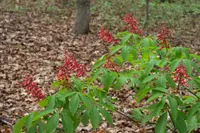
Red buckeye, Aesculus pavia, is a small deciduous tree or large shrub valued for its upright clusters of deep red spring flowers. It typically has a rounded, compact form with divided, palm-like leaves that create a dense canopy.
This species is native to the southeastern United States, often found along streams, woodland edges, and moist slopes. It attracts hummingbirds and other pollinators, which makes it useful in wildlife-friendly landscapes.
Red buckeye is generally moderate in difficulty. It prefers moist, well-drained soil, light shade to sun, and does not tolerate prolonged drought well, which guides how to care for red buckeye.

Care Difficulty
Moderate Care

Light Preference
Partial Sun

Water Requirements
Regular Water

Temperature Preference
Cold Hardy

Hardiness Zone
4–8

Soil Texture
Loamy, Clay, Organic-rich

Soil pH
Acidic (5.5–6.5), Slightly acidic (6.5–7.0)

Soil Drainage
Moist but well-drained

Fertilization
Minimal (feed rarely)
Scan your plant to receive care tips personalized for your specific plant
Available on iOS and Android
This species performs best with moderate to high outdoor light, balanced to avoid leaf scorch.
This species prefers evenly moist, well-drained soil and does not tolerate prolonged drought or standing water.
This temperate tree is cold hardy yet benefits from a defined warm growing season.
This species tolerates a wide humidity range and usually does not need special air moisture management outdoors.
This species prefers deep, moist, well-structured soil that drains steadily but does not dry out quickly.
This species is only moderately suitable for container growing and is best kept in large, outdoor tubs for a limited number of years.
This native shrub or small tree needs only modest feeding in most garden soils, but light fertilization supports healthy growth and flowering when caring for red buckeye.
Aesculus pavia benefits from light, well-timed pruning to maintain structure and safety rather than frequent shaping.
This species is usually grown in the ground, so focus on careful transplanting rather than frequent repotting.
This plant is most commonly propagated from seeds, while vegetative methods are less reliable for home gardeners.
This deciduous species is cold hardy in much of its range and usually needs minimal winter care once established.

Plant Health Check
Not sure what's wrong with your plant? Check your plant's health inside the app.
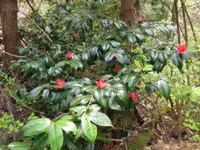
The bright red, tubular flowers are rich in nectar and are primarily pollinated by ruby-throated hummingbirds, which are strongly attracted to its early-spring bloom before many other nectar sources are available.
In the wild, this species most often grows along stream banks, moist woodland edges, and ravines in the southeastern United States, showing a strong preference for consistently moist but well-drained soils.
Red buckeye typically forms a multi-stemmed shrub or small tree 2–6 m tall in its native habitat, naturally occupying the partially shaded understory layer beneath taller deciduous trees.

Indigenous peoples in North America historically used the seeds of red buckeye, which are toxic when raw, in carefully controlled fish-stunning practices, taking advantage of the saponins that interfere with gill function in confined pools.
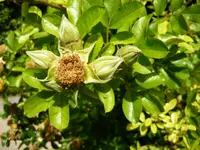
Lack of flowers often comes from deep shade, juvenile age, or stress from drought or poor soil. Heavy pruning or late spring frosts can also remove flower buds. Stable moisture and minimal pruning after flowering support reliable blooming.
Keep your plants happy and healthy with plant identification, disease detection, and easy care guidance.