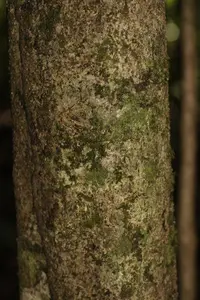
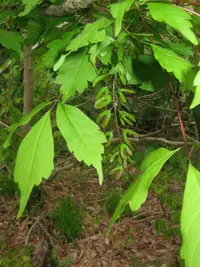
Tail-leaf Maple Care (Acer caudatum)

Also known as: candle-shape maple
Tail-leaf Maple

About Tail-leaf Maple

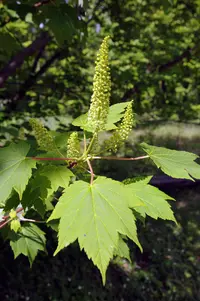
Tail-leaf maple, Acer caudatum, is a deciduous tree or large shrub valued for its elegant, deeply lobed leaves and layered branching. It usually forms a graceful, rounded crown rather than a single tall trunk. Native to the Himalayas and parts of East Asia, it grows in cool, moist mountain forests and along sheltered slopes. The foliage often shows soft color changes through the seasons, adding interest without appearing overly bold or showy. Gardeners generally find it moderate in difficulty, as it dislikes extremes of heat, drought, or compacted soil. It prefers cool summers, consistent moisture, and fertile, well-drained soil, which guides how to care for Tail-leaf Maple in temperate gardens.

Main Plant Requirements

Care Difficulty

Moderate Care

Light Preference

Partial Shade

Water Requirements

Moderate Water

Temperature Preference

Cold Hardy

Hardiness Zone

5–7

Soil Texture

Loamy, Silty, Organic-rich

Soil pH

Acidic (5.5–6.5), Slightly acidic (6.5–7.0)

Soil Drainage

Moist but well-drained

Fertilization

Minimal (feed rarely)

Get Personalized Care Plan

Scan your plant to receive care tips personalized for your specific plant

Available on iOS and Android

How to Care for the Tail-leaf Maple

This maple prefers cool, bright locations with protection from intense midday sun.

  • Provide 3–5 hours of morning sun with light afternoon shade; dappled light under taller trees suits Tail-leaf Maple well.
  • Tolerates partial shade, but in deep shade growth becomes sparse and leaves may enlarge yet lose autumn color intensity.
  • In hot summers, avoid full afternoon sun to prevent leaf scorch; in cooler climates, gradual exposure to more sun improves fall color without stressing the tree.

This species prefers evenly moist, cool soil that never stays waterlogged.

  • Water when the top 3–5 cm of soil feels dry, aiming for consistent moisture in the root zone rather than cycles of drought and saturation.
  • Use deep, infrequent watering so soil is moist to 15–20 cm depth; well-drained loam with organic matter helps Acer caudatum develop a stable root system.
  • Reduce frequency in cool, wet seasons; watch for yellowing, soft leaves as a sign of overwatering and crisp, curling leaf edges as an early drought indicator.

This maple is cold hardy but grows best in cool to mild climates without temperature extremes.

  • Ideal growing temperatures are 60–75°F (16–24°C) during the growing season, with cool nights improving color and overall vigor.
  • Dormant trees tolerate drops to about -10°F (-23°C) once established, but young plants benefit from mulch to buffer rapid freeze–thaw cycles.
  • In hot regions, prolonged periods above 86°F (30°C) increase stress and leaf scorch risk, so provide shade, wind protection, and consistent soil moisture in midsummer.

Acer caudatum prefers moderately moist air but usually copes with typical outdoor humidity in temperate climates.

  • Aim for 40–60% humidity; brief dips lower are tolerated if soil moisture is stable.
  • Dry, hot winds can cause leaf tip browning and marginal scorch, especially on young Tail-leaf Maple trees.
  • Increase local humidity by mulching the root zone and using windbreaks or companion shrubs to reduce rapid moisture loss.

Acer caudatum grows best in deep, cool, well-drained but moisture-retentive soil.

  • Use a loamy structure with plenty of organic matter, such as garden loam mixed with composted bark or leaf mold.
  • Ensure free drainage; water should infiltrate quickly without puddling or leaving the soil waterlogged after heavy rain.
  • Target a slightly acidic to neutral pH around 5.5–7.0, avoiding strongly alkaline, chalky sites that reduce nutrient availability.
  • Improve aeration and drainage on heavier soils by incorporating coarse sand or fine gravel into the top 20–30 cm.

This species can be grown in containers for a limited time, especially in cooler climates.

  • Choose a wide, heavy container to counteract wind rock and support the spreading root system as the canopy enlarges.
  • Fill the pot with a loam-based mix amended with compost and some fine bark to hold moisture without becoming compacted.
  • Raise the container on feet or bricks so drainage holes stay clear and excess water exits rapidly after rain or irrigation.

Acer caudatum grows well in reasonably fertile soil and usually needs only light feeding in cultivation.

  • Apply a balanced slow-release fertilizer (around 10-10-10) or well-rotted compost once in early spring to support new growth in Tail-leaf Maple.
  • Use fertilizer at 50% label strength for container-grown plants to avoid salt buildup and root burn.
  • In mid to late summer, stop feeding to allow shoots to harden before winter and maintain compact growth.
  • Do not fertilize during winter dormancy; rely on organic mulch and soil biology to sustain nutrient availability.

Acer caudatum benefits from light, targeted pruning to maintain structure and plant health.

  • Carry out main pruning in late winter to early spring before bud break, avoiding heavy cuts in late summer or fall.
  • Remove dead, diseased, or storm-damaged wood first, cutting back to healthy tissue with clean, sharp bypass pruners.
  • Thin crossing or congested branches to improve airflow and light penetration, which reduces fungal problems.
  • Limit shaping cuts to small diameter twigs to preserve the tree’s natural form and prevent large wounds that heal slowly.

This maple is more often grown in the ground, so guidance focuses on transplanting young Acer caudatum trees.

  • Plan transplanting for early spring or early fall when temperatures are mild and moisture is reliable.
  • Look for signs such as circling roots in the container, poor drainage, or slow growth as indicators it has outgrown its pot or site.
  • Lift the plant with as much root ball as possible, loosen tightly circling roots, and set it at the same soil depth in the new location.
  • Water thoroughly after transplanting, then keep soil evenly moist and use a 5–8 cm organic mulch ring to reduce stress and encourage root establishment.

Propagation of Acer caudatum is usually done by seed and is moderately specialized for home growers.

  • Collect ripe samaras in late summer to early fall and dry them briefly before storage.
  • For best germination, provide cold stratification: mix seeds with moist sand and refrigerate at 34–41°F for 2–3 months.
  • Sow stratified seeds in a well-drained, gritty medium, keeping it evenly moist and cool-bright until germination in spring.
  • Softwood or semi-ripe cuttings in early summer need high humidity, sharp drainage, and rooting hormone, but success rates are often low.

Acer caudatum is generally cold hardy in temperate climates and needs only modest winter care once established.

  • Mature in-ground trees tolerate typical winter frosts in most suitable USDA zones without additional covering.
  • Apply a 5–8 cm mulch layer over the root zone in late fall, keeping it slightly away from the trunk to prevent rot.
  • Move container-grown specimens to a sheltered, unheated but frost-free spot, and insulate pots with foam or burlap.
  • Reduce watering significantly in winter, keeping the root ball just barely moist so it does not dry out completely.

Care Tips

Snow load management

In regions with heavy snowfall, gently shake or brush accumulated wet snow off branches after storms to prevent breakage of the flexible young shoots and layered canopy.

Early structural training

During the first 3–5 years, select 1–2 strong leaders and remove or shorten steep, rubbing, or crossing branches in late winter to build a stable framework that resists wind and ice damage.

Understory companion planting

Plant shade-tolerant groundcovers with shallow, non-competitive roots beneath the canopy to keep roots cool, conserve soil moisture, and reduce weed disturbance around the fine feeder roots.

Mulch ring management

Maintain a 5–8 cm deep mulch ring extending at least to the drip line, but keep it 5–8 cm away from the trunk to protect fibrous roots from drying while preventing rot and rodent damage at the base.

Heat and wind buffering

In hotter or windier sites, install low windbreaks such as hedging or permeable fencing on the windward side to reduce leaf scorch and mechanical stress, which is especially useful when growing Tail-leaf Maple near exposed boundaries.

Common Pests and Diseases

Leaf spot

This disease causes irregular brown to purplish spots on leaves, often with a lighter center and sometimes small holes as tissue dries and falls out.

Solution

Prune and dispose of heavily affected leaves, ensure good airflow through the canopy, avoid wetting foliage during irrigation, and apply a copper-based or chlorothalonil fungicide in early spring if spots recur annually.

Verticillium wilt

This disease leads to sudden wilting and dieback of individual branches, with leaves yellowing, curling, and often remaining attached to twigs.

Solution

Promptly prune out affected branches well below visible symptoms, sterilizing tools between cuts, improve soil conditions and watering to reduce stress, and avoid replanting maples or other Verticillium-sensitive species in the same soil if a tree declines severely.

Gall mites

These insects cause small raised blisters, folds, or pouch-like galls on young leaves, ranging from green to red and slightly distorted but usually not fatal.

Solution

Remove and discard heavily affected leaves early in the season to reduce mite numbers, support tree vigor with proper watering and mulch, and consider a dormant oil spray in late winter if infestations are severe in repeated years.

Aphids

These insects cluster on young shoots and leaf undersides, sucking sap and causing leaf curling, sticky honeydew, and sometimes sooty black mold on surfaces below the tree.

Solution

Spray colonies off with a strong stream of water, encourage natural predators such as lady beetles, and use insecticidal soap or horticultural oil directed at the undersides of leaves if populations remain high.

Powdery mildew

This disease produces a white to gray powdery coating on upper leaf surfaces, which can cause leaf distortion, reduced growth, and early leaf drop in humid, shaded sites.

Solution

Thin nearby vegetation to improve light and air movement, avoid overhead watering in the evening, remove and discard heavily infected leaves, and apply a sulfur or potassium bicarbonate fungicide at the first sign of mildew where Acer caudatum care instructions must address recurring outbreaks.

Interesting Facts

Himalayan canopy species

This maple is naturally distributed in montane forests from the Himalayas across to western China, typically growing at mid to high elevations where summers are cool and moist.

Distinctive tailed lobes

The species name caudatum refers to the narrow, tail-like tips on the leaf lobes, which are longer and more drawn out than in many related maples.

Cold-adapted growth cycle

Acer caudatum is adapted to cold, snowy winters and has a clear dormancy period, flushing new leaves only after a substantial chilling phase followed by spring warming.

Botan icon

Did you know?

In parts of its native Himalayan range, Acer caudatum often forms part of mixed broadleaf–conifer forests, growing alongside firs, hemlocks, and rhododendrons, which makes it an indicator of cool, moist montane habitat conditions.

FAQs about Tail-leaf Maple

Growth is moderate. In good garden conditions, it usually adds about 20–40 cm of height per year when young, then slows as it matures. Cooler climates and poorer soil can reduce this rate noticeably.

Grow Healthy Plants with Botan Care

Keep your plants happy and healthy with plant identification, disease detection, and easy care guidance.

Botan plant care app — identify plants on mobile

Explore More Plants