Wispy Fan Palm Care (Livistona inermis)

Wispy Fan Palm

About Wispy Fan Palm

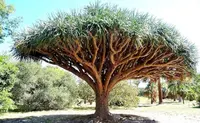
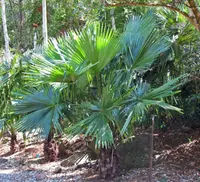
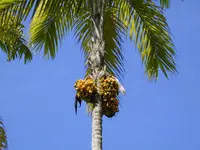
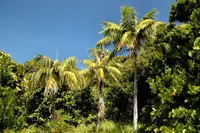
Livistona inermis, commonly called wispy fan palm, is a slender, single-trunk palm with a light, airy crown of divided fan-shaped leaves. Its narrow segments give the canopy a fine, feathery look.

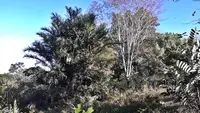
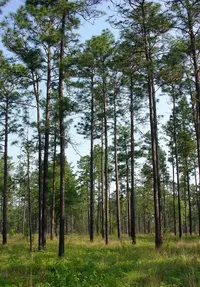
This species is native to northern Australia, where it grows in open woodland and along watercourses, often tolerating high heat and seasonal dryness. It adapts reasonably well to containers and indoor spaces if given bright light and stable warmth.

Moderate growth speed, some drought tolerance, and a relatively tough constitution make it manageable for growers who learn how to care for Wispy Fan Palm. It prefers well-drained soil, regular but not excessive moisture, and good airflow to stay healthy.

Main Plant Requirements

Care Difficulty

Moderate Care

Light Preference

Full Sun

Water Requirements

Moderate Water

Temperature Preference

Tropical / Frost Sensitive

Hardiness Zone

11–12

Soil Texture

Sandy, Loamy, Organic-rich

Soil pH

Acidic (5.5–6.5), Slightly acidic (6.5–7.0)

Soil Drainage

Well-drained

Fertilization

Minimal (feed rarely)

Get Personalized Care Plan

Scan your plant to receive care tips personalized for your specific plant

Available on iOS and Android

How to Care for the Wispy Fan Palm

This palm prefers strong natural light but needs some protection from harsh conditions in most sites.

  • Provide 6–8 hours of sun daily, ideally with morning sun and light afternoon shade, especially in hot inland climates.
  • Young or recently planted Wispy Fan Palm benefits from filtered light under taller trees to prevent leaf scorch while roots establish.
  • In very hot regions, reduce direct sun in midsummer; in cooler or overcast areas, choose a more open, south-facing spot to avoid weak, stretched growth.

This species prefers evenly moist but well-drained soil rather than constant wetness or drought.

  • Before watering, let the top 3–5 cm of soil dry, then water deeply so moisture reaches the root zone and excess drains away.
  • In hot, dry seasons, expect to water more often as you see the top layer drying faster; in cooler or rainy periods, extend the interval to prevent soggy soil.
  • Watch for yellowing, soft leaf bases as a sign of overwatering and crisp, browning leaf tips with slow growth as a sign that Livistona inermis is too dry.

This palm is adapted to warm climates and handles heat better than cold.

  • Optimal growth occurs around 70–90°F (21–32°C), with steady warmth supporting stronger fronds and root activity.
  • Short exposures down to about 32°F (0°C) may be survived, but tissue damage is likely; avoid any frost where possible, especially for young plants.
  • In hot regions above 100°F (38°C), provide soil mulch and occasional deep watering to limit heat stress, while in cooler climates prioritize a sheltered, warm microclimate.

This palm handles typical indoor humidity but grows best with slightly moist air.

  • Aim for 40–60% humidity to keep foliage tips from drying and fronds expanding evenly.
  • It tolerates short dry spells, but persistent air below 30% can cause browning leaf edges and slower growth.
  • Increase humidity with a nearby water-filled pebble tray or grouped plants rather than misting, which adds only brief surface moisture.

Livistona inermis prefers a free-draining, slightly sandy mix that stays evenly moist but never waterlogged.

  • Use a mix of roughly 50% peat- or coco-based potting medium, 25% coarse sand, and 25% perlite or fine bark for structure and drainage.
  • Aim for slightly acidic to neutral pH (6.0–7.0), avoiding strongly alkaline substrates that can lock up micronutrients and cause pale leaves.
  • Ensure the mix feels loose in hand; compacted, heavy textures reduce aeration and increase root-rot risk after watering.
  • Improve drainage in dense bagged mixes by blending in extra perlite or horticultural grit before potting.

This species is suitable for container growing when the pot provides stable support for its developing trunk.

  • Choose a deep, slightly heavy container to counterbalance the tall, top-heavy crown and reduce tipping in wind or high-traffic areas.
  • Leave a few centimeters between root ball and pot wall to allow steady root expansion without creating a large, wet outer zone.
  • Use a container material that matches your climate: terracotta to shed excess moisture in humid regions, or glazed/plastic to retain moisture in hot, very dry conditions.

Livistona inermis grows steadily with light, consistent feeding during the warm season.

  • Use a balanced, slow-release fertilizer (around 10-10-10 or similar) or well-aged compost mixed into the topsoil in spring.
  • Feed container-grown Wispy Fan Palm every 6–8 weeks in active growth; outdoor in-ground plants usually need less.
  • Dilute liquid fertilizer to 1/2 strength to avoid root burn, especially in pots.
  • Stop or greatly reduce fertilizing in fall and winter when growth slows.

Pruning Livistona inermis is mainly hygienic, aimed at removing spent or damaged fronds.

  • Best time for pruning is late winter to early spring, before strong new growth starts.
  • Remove only dead, yellowing, or badly damaged fronds, cutting close to the trunk without injuring it.
  • Avoid cutting green, healthy fronds because they support energy production and trunk development.
  • Use clean, sharp loppers or a pruning saw and disinfect blades to limit disease spread.

Transplanting or repotting Livistona inermis is infrequent but helpful for long-term health in cultivation.

  • Look for roots circling the pot, pushing through drainage holes, or slowed growth as signs it needs more space.
  • Plan repotting or transplanting for late spring, once temperatures are consistently warm and stable.
  • Move up 1 pot size every 2–3 years, using a free-draining, sandy mix to limit waterlogging.
  • Water thoroughly before and after moving, keep the root ball as intact as possible, and shade the plant for 1–2 weeks to reduce stress.

Livistona inermis is usually propagated from seed, which requires patience and warm, stable conditions.

  • Sow fresh, cleaned seeds in late spring or early summer for best germination.
  • Use a sterile, well-drained mix, barely cover the seeds, and keep the medium evenly moist, not wet.
  • Maintain warmth at 75–85°F and high humidity; germination may take several weeks to months.
  • Provide bright, indirect light and pot seedlings individually once roots and 2–3 true leaves develop.

Livistona inermis prefers warm climates and needs specific protection in regions with cool or frosty winters.

  • Avoid exposure to frost; growth suffers below about 40°F and foliage may be damaged by freezing temperatures.
  • Mulch the root zone with 5–8 cm of organic material in fall to buffer soil temperature.
  • For container plants, shift pots indoors or into a sheltered greenhouse before the first frost.
  • Keep soil slightly drier in winter while still preventing complete drying of the root ball.

Care Tips

Root flare check

When potting or planting, keep the top of the root ball level with or slightly above the surrounding soil so the trunk base stays dry and resists rot as the palm matures.


Wind acclimation

For outdoor specimens, gradually expose the palm to stronger wind over 2–3 weeks so the petioles and leaf bases strengthen and are less likely to snap in storms.

Frond removal timing

Remove only fully brown, dry fronds and cut them 2–3 cm from the trunk with clean, sharp tools to reduce stress and lower the risk of fungal entry points.

Salt and chlorine management

In areas with hard tap water, occasionally flush the container with collected rainwater to reduce salt buildup that can cause dry tips on the fans.

Container stability setup

When using a tall or narrow pot, add a layer of coarse gravel or stones at the base (below drainage holes) and use a heavier container material to keep the palm stable as it gains height, which is especially helpful when caring for Wispy Fan Palm in windy patios or balconies.

Common Pests and Diseases

Red palm mite

This pest feeds on the undersides of fronds, causing yellow stippling, bronzing, and eventual leaf decline, especially in hot, dry conditions. Symptoms include fine webbing between leaf segments and a dusty red appearance when infestations are heavy.

Solution

Rinse fronds thoroughly with a strong but controlled stream of water, focusing on the undersides, and repeat weekly until numbers drop. In severe cases, use a horticultural oil or insecticidal soap labeled for spider mites, applied in the early morning or evening, and reduce heat stress by avoiding hot reflected sun on container-grown plants.

Palm leaf scale

These insects attach along leaf veins and petioles, sucking sap and causing yellow spots, patchy chlorosis, and general decline. This pest often appears as small, immobile bumps that can be hard or waxy to the touch.

Solution

Prune and discard heavily infested fronds, then wipe remaining scale with a cloth or cotton pad dipped in diluted alcohol or insecticidal soap. Follow up with 2–3 treatments of horticultural oil at 7–10 day intervals, ensuring good coverage of leaf bases and the lower leaf surfaces where scale tends to shelter.

Pink disease

This disease, caused by the fungus Erythricium salmonicolor, leads to dieback of leaf bases and stems, often with pink to salmon-colored crusts on infected tissue. Symptoms include wilting, collapse of affected fronds, and can progress to serious structural damage in humid, tropical or subtropical conditions.

Solution

Remove and destroy all affected fronds and visibly infected stem portions, cutting well back into healthy tissue and disinfecting tools between cuts. Improve air movement, reduce overhead watering on the crown, and in high-value specimens consider a systemic fungicide recommended for palm pink disease, applied according to label directions.

Ganoderma basal stem rot

This disease is caused by Ganoderma species that infect the lower trunk, leading to slow decline, reduced new growth, and sudden frond collapse in advanced stages. Symptoms include a hard, varnished-looking bracket fungus (conk) at the base of the trunk and internal brown rotting of woody tissue.

Solution

There is no effective curative treatment, so infected palms should be removed promptly, including as much of the stump and major roots as possible, and not replanted with another palm in the same spot. For long-term Livistona inermis plant care, avoid wounding the trunk, improve drainage, and keep heavy machinery away from the root zone to reduce infection risk.

Leaf spot

This disease produces brown to black spots or streaks on fronds, sometimes with yellow halos, which can merge into larger dead patches under humid or shaded conditions. Symptoms include premature leaf aging and cosmetic damage that can weaken the plant if severe and repeated.

Solution

Remove and dispose of heavily spotted fronds to reduce spore spread, and water at the soil level rather than wetting the canopy. Improve spacing and airflow, then, if needed, apply a copper-based or other palm-safe fungicide at label rates during warm, wet periods until new growth emerges clean.

Interesting Facts

Monsoonal flood specialist

This palm is native to northern Australian floodplains and riverbanks, where it tolerates seasonal inundation followed by long dry periods, an adaptation to monsoonal climates with strong wet–dry cycles.

Distinctive leaf dimorphism

Mature plants often show a transition from more divided, strongly segmented fan leaves in exposed, dry sites to somewhat broader, less divided leaves in slightly more sheltered or moister microhabitats, reflecting plasticity in leaf form in response to environment.

Important habitat structure

In its native range, this palm often forms scattered groves that provide perching, nesting, and shade for birds and other wildlife in otherwise open savanna and riparian landscapes, increasing structural diversity in these ecosystems.

FAQs about Wispy Fan Palm

Brown tips usually come from low humidity, salt buildup from fertilizer, or chronic underwatering. Flush the soil occasionally, water more evenly, and protect fronds from hot, dry air and reflected heat to reduce further browning.

Grow Healthy Plants with Botan Care

Keep your plants happy and healthy with plant identification, disease detection, and easy care guidance.
Botan plant care app — identify plants on mobile

Explore More Plants