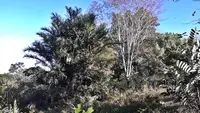
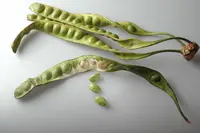
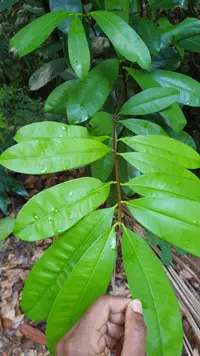
Protect trunk spines
When pruning or harvesting, wear thick gloves and eye protection, and cut old spined fronds cleanly at the base to prevent injury and reduce infection sites on the clustered stems.

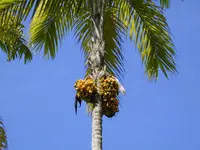
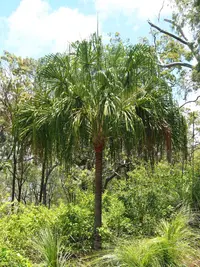
The peach palm, Bactris gasipaes, is a clustering palm tree valued for its edible fruits and ornamental look. It typically forms multiple slender, spiny trunks with feathery, arching fronds.
This species is native to tropical Central and South America, where it grows in warm, humid lowland forests. In cultivation, it is moderately demanding because it needs consistent warmth, high humidity, and space for its clumping habit.
For those who care for peach palm, success usually depends on providing bright light, evenly moist but well-drained soil, and protection from cold or drying winds.

Care Difficulty
Hard Care

Light Preference
Full Sun

Water Requirements
Keep Soil Moist

Temperature Preference
Tropical / Frost Sensitive

Hardiness Zone
10–12

Soil Texture
Loamy, Sandy, Organic-rich

Soil pH
Acidic (5.5–6.5), Slightly acidic (6.5–7.0)

Soil Drainage
Moist but well-drained

Fertilization
Moderate (every 2–4 weeks)
Scan your plant to receive care tips personalized for your specific plant
Available on iOS and Android
This tropical palm needs bright, non-scorching light to form a strong trunk and full crown.
This species requires consistently moist, not waterlogged, soil to support its fast growth.
Stable, warm conditions are essential for this strictly tropical palm.
This species needs high, steady humidity to thrive indoors or in dry climates.
This palm needs deep, moist, well‑aerated soil to support vigorous root and trunk development.
This species can grow in large containers when given enough root volume and stability.
This palm benefits from moderate, consistent feeding during active growth to support foliage and fruit production.
Pruning Bactris gasipaes focuses on safety, sanitation, and maintaining a clean trunk line rather than reshaping the canopy.
This species is usually grown in the ground, so focus on careful transplanting of young plants and minimal root disturbance.
New plants are most often produced from seed, as this clumping palm does not respond well to stem cuttings.
This strictly tropical palm is highly sensitive to cold and demands thorough winter protection outside frost-free climates.

Plant Health Check
Not sure what's wrong with your plant? Check your plant's health inside the app.
This species is one of the few palms that were fully domesticated by Indigenous peoples of Amazonia, selected over thousands of years for larger, fleshier, less spiny fruits used as a staple food.
Its bright orange to red fruits are unusually rich in both starch and oil for a palm, so they are eaten cooked, ground into flour, or fermented into traditional beverages in parts of Central and South America.
The plant typically forms clumps of several slender stems covered with dense black spines, which help protect the nutritious fruits and growing points from large herbivores.

The very hard, dense heartwood of this species has long been used in tropical America for tool handles, arrow points, and other implements, because it is so tough that it can substitute for metal in some traditional uses.
Yes. The starchy fruits are widely eaten cooked, never raw, because they contain irritating compounds when uncooked. The inner stem, called palm heart, is also edible. Always research local preparation traditions before consumption for safety.
Keep your plants happy and healthy with plant identification, disease detection, and easy care guidance.