Transvaal Red Milkwood Care (Mimusops zeyheri)

Also known as: Common Red-Milkwood, Moepel, Moepel Red-Milkwood, Transvaal Red-Milkwook
Transvaal Red Milkwood

About Transvaal Red Milkwood

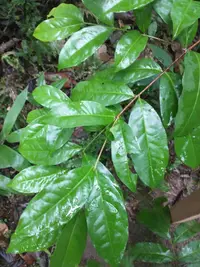
Transvaal red milkwood (Mimusops zeyheri) is an evergreen tree from southern Africa, valued for its dense, glossy foliage and neat, rounded crown. It is often grown as an ornamental shade tree in warm climates and can become quite large in the ground over time.

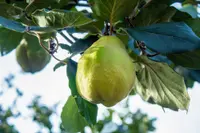
The tree bears small, fragrant flowers followed by fleshy, edible fruits that attract birds and wildlife. Its slow to moderate growth and generally tough nature make it suitable for experienced gardeners who want to care for Transvaal Red Milkwood in mild, frost-free areas.

This species prefers bright light, well-drained soil, and steady moisture without waterlogging, but it copes reasonably well with short dry spells once established.

Main Plant Requirements

Care Difficulty

Moderate Care

Light Preference

Full Sun

Water Requirements

Moderate Water

Temperature Preference

Warm Climate

Hardiness Zone

9–11

Soil Texture

Sandy, Loamy, Clay

Soil pH

Slightly acidic (6.5–7.0), Neutral (7.0)

Soil Drainage

Well-drained

Fertilization

Minimal (feed rarely)

Get Personalized Care Plan

Scan your plant to receive care tips personalized for your specific plant

Available on iOS and Android

How to Care for the Transvaal Red Milkwood

This evergreen tree thrives in bright outdoor conditions with steady, direct light.

  • Provide 6–8 hours of direct sun daily; morning to early afternoon sun suits young Transvaal Red Milkwood best.
  • It tolerates light partial shade, especially in hot inland areas, but dense shade causes sparse foliage, weak growth, and fewer flowers or fruits.
  • In very hot summers, protect from intense late-afternoon sun with nearby taller plants or light shade to reduce leaf scorch and moisture stress.

This species prefers deep, infrequent watering once established, rather than constant surface moisture.

  • In the ground, allow the top 5–8 cm of soil to dry before soaking the root zone thoroughly, then let it drain fully.
  • Increase watering during hot, dry periods if leaves wilt, curl, or dull in color; reduce in cool or rainy weather to avoid waterlogging.
  • Choose well-drained, sandy or loamy soil; yellowing leaves, soft new growth, or a sour smell indicate overwatering, while crisp leaf edges suggest underwatering.

This tree prefers warm, frost-free climates with stable seasonal temperatures.

  • Ideal growth occurs around 70–86°F (21–30°C), with steady warmth supporting dense foliage and reliable flowering.
  • Mimusops zeyheri tolerates brief dips to about 28–30°F (-2 to -1°C), but repeated or lower frosts can damage young shoots and thin bark.
  • In hot regions with summer highs above 95°F (35°C), provide mulch and adequate soil moisture to protect roots from extreme heat stress.

This species tolerates a wide humidity range but grows best with moderately dry air.

  • Aim for 30–50% humidity; avoid persistently above 70% to reduce fungal risk.
  • Leaves curling inward or developing brown tips at the edges can signal humidity stress combined with drought.
  • For young Transvaal Red Milkwood plants in very dry heated rooms, place on a pebble tray or group near other plants to slightly raise local humidity.

This tree prefers well-structured, fast-draining mineral soil that still retains some moisture.

  • Use a sandy or loamy mix with 20–30% coarse sand and 20–30% fine gravel to mimic the free-draining habitats of Mimusops zeyheri.
  • Incorporate 20–30% stable organic matter, such as composted bark, to improve moisture retention without making the mix heavy.
  • Keep pH slightly acidic to neutral, around 6.0–7.2, avoiding strongly acidic or calcareous substrates that can limit nutrient uptake.
  • Avoid compacted clay, peat-heavy mixes, or containers without sharp drainage, as poorly aerated soil encourages root rot and weak growth.

This species can be grown in containers for several years, especially when kept as a slow-growing specimen.

  • Choose a deep, heavy container that resists tipping as the woody canopy becomes denser and more top-heavy.
  • Select a pot material with moderate porosity, such as thick-walled terracotta, to balance moisture loss and root temperature stability.
  • Elevate the container slightly on pot feet so water drains quickly and roots do not sit in runoff under the base.

Mimusops zeyheri grows steadily in average soil and benefits from light feeding in active growth if soil is poor or container-based.

  • Use a balanced slow-release fertilizer (around 10-10-10) or well-rotted compost at the start of spring growth.
  • Feed container or young Transvaal Red Milkwood trees every 8–10 weeks during the warm growing season only.
  • Apply fertilizer at 1/2 the label strength for young or stressed plants to avoid root burn.
  • Stop feeding in late fall and do not apply fertilizer during winter dormancy or cool, low-growth periods.

Mimusops zeyheri responds well to light structural pruning that keeps the canopy healthy and safe.

  • Carry out main pruning in late winter to early spring, before strong new growth begins.
  • Remove dead, diseased, crossing, or storm-damaged branches first to improve airflow and reduce disease risk.
  • Thin crowded inner shoots to let in more light, which supports denser foliage and better flowering.
  • Use sharp, clean bypass pruners or a pruning saw, making smooth cuts just outside the branch collar.

This tree is usually grown in the ground, so focus on careful transplanting of young Mimusops zeyheri specimens.

  • Transplant in late winter to early spring when the plant is dormant or growth is slow, reducing shock.
  • Look for roots circling the container, water running straight through, or stunted growth as signs a nursery plant needs a larger space.
  • Move up only 1–2 pot sizes or into a prepared ground hole 2–3 times wider than the root ball with similar, well-drained soil.
  • Water deeply after planting, keep soil evenly moist for several weeks, and shade the canopy temporarily to limit stress.

Mimusops zeyheri is mainly propagated from seed, with vegetative methods used less often and requiring careful conditions.

  • Collect fully ripe fruits, clean the seeds, and sow in late spring to early summer in a warm, sterile, free-draining mix.
  • Provide temperatures around 70–80°F, bright indirect light, and steady moisture; germination may be slow and uneven.
  • For semi-hardwood cuttings, take pieces in early summer, treat bases with rooting hormone, and place in a humid, bottom-heated propagator.
  • Maintain high humidity and gentle air movement to prevent fungal problems while roots are forming.

In mild, frost-free climates Mimusops zeyheri needs little winter care, but young or potted plants benefit from some protection.

  • In regions with light frost, apply a 5–8 cm mulch layer around the root zone, keeping it slightly away from the trunk.
  • Wrap young trunks with breathable frost cloth during cold snaps in areas that occasionally drop below freezing.
  • Move container-grown trees to a bright, sheltered position such as an unheated garage or porch when hard frost is forecast.

Care Tips

Deep root training

During the first 2–3 years, water less often but deeply to encourage a strong taproot, which increases drought tolerance and long-term stability in windy sites.


Windward staking

In exposed locations, place 2–3 sturdy stakes on the windward side and use soft, wide ties in a loose figure-eight to support the young trunk without restricting natural movement.

Formative canopy shaping

In the first 5–7 years, remove only poorly placed or crossing branches and select 3–5 well-spaced scaffold branches to create a balanced canopy that can safely carry the weight of future fruit.

Mulch collar management

Maintain a 5–10 cm organic mulch layer over the root zone but always keep a mulch-free collar around the trunk to reduce trunk rot and pest hiding spots.

Seasonal root inspection

Every 2–3 years on young trees, gently excavate a small area at the root flare to check for circling or girdling roots and correct them early to prevent future structural weakness when growing Transvaal Red Milkwood.

Common Pests and Diseases

Scale insects

These insects feed on sap along young stems and leaf undersides, often forming dense, waxy clusters on branches and fruiting spurs. Symptoms include sticky honeydew, sooty mold growth, and gradual thinning of the canopy.

Solution

Prune and dispose of heavily infested twigs, then wash accessible branches with a strong stream of water to dislodge insects. For remaining colonies, dab individual scales with cotton swabs dipped in isopropyl alcohol or use a light horticultural oil spray, applied thoroughly to stems and leaf undersides in mild, dry weather.

Fruit borers

These insects tunnel into developing fruits, causing premature fruit drop, internal decay, and small entry holes or frass on the fruit surface. Damaged fruits often shrivel or rot on the tree, reducing usable yield.

Solution

Collect and destroy all infested or fallen fruit promptly to break the life cycle. Where pressure is high, use fine mesh bags on developing fruit clusters and encourage natural predators by avoiding broad-spectrum insecticides and maintaining diverse surrounding vegetation.

Leaf spot

This disease produces small to medium brown spots on leaves, sometimes with darker margins and a tendency for older foliage to yellow and fall early. Severe cases thin the canopy and reduce growth in younger trees.

Solution

Rake and discard fallen leaves, and prune to improve light penetration and airflow through the canopy. In wet, prolonged disease periods, apply a registered copper-based fungicide to both leaf surfaces, following label rates and focusing on new flushes of growth.

Sooty mold

This disease appears as a black, powdery coating on leaves and young stems, growing on honeydew excreted by sap-sucking insects such as scale or aphids. Symptoms include dulled, dirty-looking foliage and reduced photosynthesis, which can slow growth.

Solution

Control the underlying sap-sucking insects, then gently wash affected foliage with water and a small amount of mild soap to remove mold deposits. Improve air circulation around the canopy to help leaves dry faster after rain and reduce mold buildup.

Aphids

These insects cluster on tender shoot tips and young leaves, sucking sap and causing leaf curl, distortion, and sticky honeydew that can support sooty mold. Heavy infestations may slow shoot extension and attract ants that protect the aphids.

Solution

Spray soft growth with a firm jet of water to dislodge colonies, repeating as needed. For persistent infestations, use insecticidal soap or neem oil, covering shoot tips and leaf undersides thoroughly, and manage ant activity by removing ant trails and nesting sites around the tree.

Interesting Facts

Edible apricot-like fruit

This species produces sweet, fleshy yellow to orange fruit that are eaten locally in southern Africa and are sometimes compared in flavor and texture to small apricots.

Stone-hard timber

The wood is very hard, heavy, and fine-grained, making it suitable for items that require durability such as tools, turned objects, and small structural elements.

Deep taproot strategy

Seedlings develop a strong, deep taproot that allows the tree to access underground water reserves, helping it tolerate the seasonal droughts common in its native savanna habitats.

Botan icon

Did you know?

This species plays a role as a dry-season food source in its native range, since its fruit can remain available when other resources are scarce, providing nutrition for both local people and wildlife such as birds and mammals.

FAQs about Transvaal Red Milkwood

Container culture is possible while the tree is young. Use a large, deep pot with good drainage and sturdy structure. Expect to repot into progressively larger containers and eventually plant out, as its root system becomes too strong for long-term pots.

Grow Healthy Plants with Botan Care

Keep your plants happy and healthy with plant identification, disease detection, and easy care guidance.


Botan plant care app — identify plants on mobile

Explore More Plants