Protect from blister rust
In areas with white pine blister rust, plant resistant stock when available and prune out infected branches promptly, cutting 15–20 cm below visible cankers and sterilizing tools between cuts.

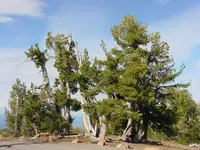
Whitebark pine (Pinus albicaulis) is a long-lived, high-elevation conifer native to the mountains of western North America. It usually grows as a multi-stemmed, windswept tree or a low, spreading shrub in harsh alpine conditions.
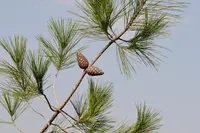
This species has short, clustered needles and small purple-brown cones that often stay on the tree and provide food for wildlife, especially Clark’s nutcrackers. In gardens, it is slow-growing and prefers full sun, cool conditions, and well-drained, rocky or sandy soil.
Because it comes from tough mountain habitats, it can tolerate cold, wind, and poor soils, but struggles in hot, humid, or polluted sites. Gardeners who want to care for Whitebark Pine should be prepared for a slow, long-term project.

Care Difficulty
Hard Care

Light Preference
Full Sun

Water Requirements
Low Water

Temperature Preference
Cold Hardy

Hardiness Zone
2–6

Soil Texture
Sandy, Loamy, Rocky

Soil pH
Strongly acidic (4.5–5.5), Acidic (5.5–6.5)

Soil Drainage
Well-drained

Fertilization
Minimal (feed rarely)
Scan your plant to receive care tips personalized for your specific plant
Available on iOS and Android
This high-mountain conifer needs long hours of strong light to stay compact and healthy.
This species prefers deep, infrequent watering in sharply drained, rocky or sandy soil.
This cold-adapted conifer thrives in cool summers and very cold winters typical of high-elevation climates.
This high-elevation conifer tolerates a wide humidity range and usually does not need humidity adjustment in cultivation.
Pinus albicaulis needs very well-drained, mineral soils that mimic its native, rocky mountain habitats.
This species can be grown in containers only as a temporary or specialized planting, due to its eventual large size and deep root tendencies.
This high-elevation conifer needs minimal feeding in typical garden or restoration settings.
Pruning Pinus albicaulis is usually limited to safety, health, and structural reasons rather than shaping.
This species is rarely kept long-term in containers and is usually transplanted young into permanent sites.
Propagation of this high-mountain pine is specialized and primarily done from seed under controlled conditions.
Mature plants are naturally cold hardy and usually need little winter care in suitable climates.

Plant Health Check
Not sure what's wrong with your plant? Check your plant's health inside the app.
Clark’s nutcrackers are the primary dispersers of this pine’s heavy, wingless seeds, caching them in thousands of small soil stores that often become new seedlings.
This species dominates some of the highest and harshest subalpine and treeline zones in the northern Rocky Mountains and Cascades, tolerating intense wind, cold, and short growing seasons.
Its broad, clustered crowns trap and shade snow at high elevations, slowing snowmelt and helping regulate downstream water availability for mountain watersheds.

Whitebark pine is one of the few North American conifers formally listed as threatened under the U.S. Endangered Species Act due to the combined impacts of white pine blister rust, mountain pine beetles, altered fire regimes, and climate change.
This species is an evergreen conifer, retaining functional needles for several years instead of shedding foliage annually. Needle batches gradually age and drop, but the tree keeps a green canopy year-round in suitable climates.
Keep your plants happy and healthy with plant identification, disease detection, and easy care guidance.