Great Basin Bristlecone Pine Care (Pinus longaeva)

Also known as: Bristlecone Pine, Intermountain Bristlecone Pine, ancient bristlecone pine, ancient pine
Great Basin Bristlecone Pine

About Great Basin Bristlecone Pine

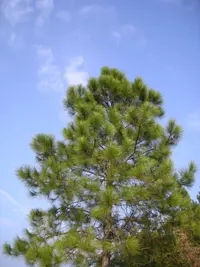
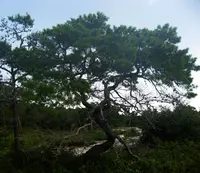
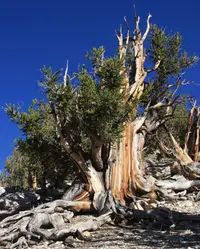
The Great Basin bristlecone pine, Pinus longaeva, is a very long-lived high-elevation conifer known for its twisted, gnarled trunks and dense clusters of short needles. It grows slowly, often forming irregular, sculptural shapes rather than a uniform pyramid.

In nature it occurs in cold, dry mountain ranges of the western United States, often on rocky, nutrient-poor slopes. Its extreme hardiness and slow growth make it challenging in typical gardens, but suitable for specialized rock gardens or collections.

Those who want to learn how to care for Great Basin Bristlecone Pine should note its preference for full sun, excellent drainage, and relatively dry, low-fertility conditions.

Main Plant Requirements

Care Difficulty

Hard Care

Light Preference

Full Sun

Water Requirements

Low Water

Temperature Preference

Cold Hardy

Hardiness Zone

4–7

Soil Texture

Sandy, Loamy, Rocky

Soil pH

Acidic (5.5–6.5), Slightly acidic (6.5–7.0)

Soil Drainage

Well-drained

Fertilization

Minimal (feed rarely)

Get Personalized Care Plan

Scan your plant to receive care tips personalized for your specific plant

Available on iOS and Android

How to Care for the Great Basin Bristlecone Pine

This high-elevation conifer needs strong, consistent sun to develop dense, healthy growth.

  • Provide 6–10 hours of direct sun daily; open, exposed sites suit Great Basin Bristlecone Pine best.
  • It tolerates light partial shade, especially in late afternoon, but dense shade causes sparse, weak growth and reduced needle density.
  • In hot, lowland climates, aim for full morning sun with some protection from intense late-afternoon sun to limit heat stress and needle scorch.

This slow-growing conifer is highly drought tolerant once established and prefers infrequent, deep watering.

  • During the first 2–3 years, water when the top 5–8 cm of soil is dry, soaking the root zone deeply, then allow soil to dry again.
  • Mature trees in well-drained, rocky or sandy soil often rely mostly on rainfall; add water only after prolonged dry periods with visible needle dulling or slight curl.
  • Avoid soggy conditions; yellowing needles, dieback, or a sour soil smell indicate overwatering and poor drainage, which strongly increase root rot risk in Pinus longaeva.

This species is adapted to cold, high-mountain climates and tolerates a wide temperature range.

  • Active growth is best around 50–70°F (10–21°C), with slow but steady development during cool springs and mild summers.
  • Mature trees tolerate extreme cold down to about -30°F (-34°C) or lower, and normal winter frost and snow do not harm healthy specimens.
  • Heat above 85–90°F (29–32°C), especially with dry, hot wind, can stress foliage; in low-elevation sites, combine full sun with excellent soil drainage to reduce heat damage risk.

Pinus longaeva handles low atmospheric moisture well, so humidity control is rarely necessary indoors or outdoors.

  • Target 20–40% humidity, reflecting its native high-elevation, arid habitats of the Great Basin Bristlecone Pine.
  • Dry indoor air is usually tolerated; avoid pairing with constant high humidity above 60%, which encourages fungal problems.
  • If air is extremely dry and hot, protect from hot drafts and combine with slightly deeper, infrequent watering rather than misting.

Pinus longaeva prefers very well-drained, mineral, and low-fertility soil that mimics rocky mountain slopes.

  • Use a gritty mix such as 50–60% coarse sand or grit, 20–30% loam, and 10–20% fine bark or pumice for structure.
  • Aim for slightly acidic to neutral pH, roughly 6.0–7.5, and avoid heavily limed or saline substrates.
  • Increase aeration and drainage by adding extra pumice or crushed granite if water lingers on the surface after watering.
  • Avoid compacted, clay-heavy, or peat-rich mixes that stay wet, as these strongly increase the risk of root rot.

This species can be grown in containers for many years, but only when drainage and root space are carefully managed.

  • Choose a deep, heavy container that resists tipping as the tree becomes taller and more wind-exposed.
  • Select a pot material with low moisture retention, such as unglazed clay, to help excess water evaporate quickly.
  • Raise the container on pot feet or bricks so drainage holes stay clear and runoff water leaves the root zone fast.

This high-elevation conifer is adapted to very poor soils and usually needs little to no fertilizer.

Pinus longaeva requires minimal pruning, mainly to maintain safety and basic structure.

Transplanting is rare and should be done only when truly necessary, as this pine resents root disturbance.

  • Check for roots circling the container, poor drainage, or stalled growth before considering transplanting a young tree.
  • Schedule moves for early spring or early fall, when temperatures are mild and soil is workable.
  • Transplant only small, young specimens; older Great Basin Bristlecone Pine trees usually do not survive moving.
  • Dig a wide root ball, keep roots shaded and moist, replant at the same depth, and water deeply to settle soil and limit shock.

Reproduction of this species is almost always done from seed and is slow and specialized.

This species is extremely cold hardy and usually needs no special winter care once established in the ground.

Care Tips

Prioritize taproot development

Plant seedlings in tall, deep containers or directly in the ground so the strong taproot can grow straight down, avoiding shallow pots that cause root circling and long-term instability.

Use mineral mulch

Top-dress the rooting zone with a thin layer of coarse gravel or small rocks instead of organic mulch to mimic the natural rocky habitat, improve drainage at the surface, and reduce fungal issues around the trunk.

Avoid root disturbance

Transplant only at a very young stage and handle the root ball as a solid unit, since older specimens respond poorly to having roots teased apart or cut.

Limit competition zone

Keep a weed-free, grass-free circle at least 30–60 cm around the trunk so the slow-growing tree does not have to compete for limited moisture and nutrients in poor soils.

Plan for extreme longevity

Choose the planting site with permanent space and protection from future construction or soil disturbance, since growing Great Basin Bristlecone Pine in one undisturbed location for life supports its long-term health.

Common Pests and Diseases

Mountain pine beetle

This pest bores into the inner bark, disrupting water and nutrient flow and often killing branches or whole trees. Symptoms include boring dust, pitch tubes on the bark, and rapid fading of needles from green to reddish-brown.

Solution

Reduce stress by avoiding unnecessary disturbance and drought; in landscape or collection settings, remove and destroy heavily infested wood to break the life cycle. In high-value specimens, consult a certified arborist about preventive trunk-applied insecticides before regional beetle flights, since treatments are far less effective once the tree is already heavily infested.

Pine needle scale

These insects attach to needles and appear as small white, elongated crusts that cause yellowing, thinning foliage, and reduced vigor. Heavy infestations can make needles look grayish or mottled.

Solution

On small or young trees, prune out and discard heavily infested twigs and use a firm spray of water to knock off scales where practical. In managed plantings, monitor for crawler stages in late spring and use a targeted horticultural oil or insecticidal soap at that time, avoiding application during extreme heat or drought stress.

Dwarf mistletoe

This parasitic plant infects branches and stems, stealing water and nutrients and causing witches’ brooms, swelling, and dieback. Symptoms include thick, broom-like clusters of short shoots and visible mistletoe shoots emerging from older branches.

Solution

Prune out infected branches at least 30–40 cm below visible swelling and destroy removed material to limit seed spread. In collections or restoration plantings, maintain adequate spacing between trees and avoid leaving infected nurse trees close to young, establishing Great Basin bristlecone pines as part of long-term Pinus longaeva plant care.

Cytospora canker

This disease causes sunken, resin-soaked cankers on branches or stems, leading to localized dieback and scattered dead branches. Symptoms include discolored bark, resin exudation, and needles on affected branches turning red-brown and remaining attached for some time.

Solution

Prune out affected branches during dry weather, cutting several cm into healthy wood, and disinfect tools between cuts with 70% alcohol or a 10% bleach solution. Reduce plant stress by avoiding mechanical injury, limiting soil compaction, and providing adequate but not excessive water during prolonged drought in cultivated settings.

Interesting Facts

Extremely slow growth

Pinus longaeva often adds only 0.25–2.5 cm of height per year in its harsh native habitats, making its trunks and branches recorders of environmental change over many centuries.

Harsh-climate specialist

This species thrives on cold, windy, high-elevation dolomitic and limestone soils in the Great Basin, where low nutrients and short growing seasons allow it to outcompete faster-growing trees that cannot tolerate such stress.

Ancient climate archive

Its dense, resin-rich wood preserves exceptionally clear annual growth rings, which dendrochronologists use to reconstruct past climate patterns across the western United States over thousands of years.

Botan icon

Did you know?

The oldest known individual of Pinus longaeva, growing in the White Mountains of California, has been dated to nearly 5,000 years old, making it one of the longest-lived non-clonal organisms known to science and a benchmark for studying long-term ecological and climatic change.

FAQs about Great Basin Bristlecone Pine

This species grows very slowly, often only 2–5 cm per year in cultivation. Growth rate depends on age, genetics, and site conditions. Expect a small tree for many decades rather than rapid landscape impact.

Grow Healthy Plants with Botan Care

Keep your plants happy and healthy with plant identification, disease detection, and easy care guidance.

Botan plant care app — identify plants on mobile

Explore More Plants