Thin-leaf Pine Care (Pinus maximinoi)

Thin-leaf Pine

About Thin-leaf Pine

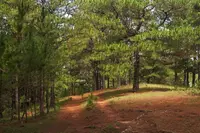
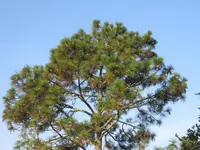
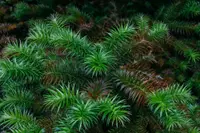
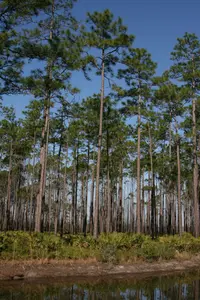
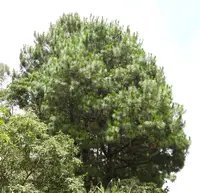
Thin-leaf pine, Pinus maximinoi, is a fast-growing evergreen conifer valued mainly for timber and windbreak plantings. It forms a tall, straight trunk with a narrow, conical crown and long, fine needles in bundles, giving the foliage a soft, feathery look.

This species is native to montane regions of Mexico and Central America, where it grows in warm, seasonally dry forests. It is generally considered hardy and adaptable but needs space, full sun, and well-drained soil, so it is not suited to small gardens or containers. Those who want to learn how to care for Thin-leaf Pine should focus on providing strong light and avoiding waterlogged sites.

Main Plant Requirements

Care Difficulty

Moderate Care

Light Preference

Full Sun

Water Requirements

Moderate Water

Temperature Preference

Warm Climate

Hardiness Zone

10–11

Soil Texture

Sandy, Loamy, Rocky

Soil pH

Acidic (5.5–6.5)

Soil Drainage

Well-drained

Fertilization

Minimal (feed rarely)

Get Personalized Care Plan

Scan your plant to receive care tips personalized for your specific plant

Available on iOS and Android

How to Care for the Thin-leaf Pine

This fast-growing pine needs strong outdoor light to develop a dense, healthy crown.

  • Provide 6–8 hours of direct sun daily; full sun is best, especially morning to early afternoon exposure.
  • Young Thin-leaf Pine trees tolerate light partial shade, but too much shade causes sparse, elongated shoots and weaker branches.
  • In very hot, dry climates, avoid intense late-afternoon sun on newly planted trees by using temporary shade or planting with slight eastern exposure.

This pine prefers evenly moist, well-drained soil and is more sensitive to excess water than brief dryness.

  • At planting and during the first 1–2 years, water when the top 5–8 cm of soil feels dry, applying a deep soak rather than frequent light sprinkling.
  • In established trees, rely on rainfall where possible, watering only during extended dry spells when needles dull, curl slightly, or lower shoots droop.
  • Use sharply draining soil or slopes; signs of overwatering include yellowing needles from the interior outward and persistently wet or sour-smelling soil around Pinus maximinoi.

This species thrives in warm, frost-free to very light-frost climates.

  • Optimal growth occurs around 68–86°F (20–30°C), matching its native subtropical to warm-temperate highland range.
  • Mature trees may tolerate brief dips near 28–30°F (-2 to -1°C), but young plants and new growth are easily damaged by frost.
  • In hot areas above 95°F (35°C), growth can slow; provide mulch to cool the root zone and avoid planting in heat-reflective sites such as next to bare concrete.

This pine tolerates a wide humidity range and rarely needs special humidity management indoors or outdoors.

  • Target 30–60% humidity; typical indoor and outdoor levels in most homes and gardens are acceptable for Thin-leaf Pine.
  • Dry indoor air is usually tolerated, but combine with correct watering to prevent needle tip browning from combined drought stress.
  • If needles yellow, brown at tips, and drop while soil moisture is correct, suspect very dry air plus heat and move the plant away from heaters or hot reflective walls.

Pinus maximinoi prefers fast-draining, slightly acidic, light-textured substrates that prevent waterlogging around the roots.

  • Use a sandy or sandy-loam mix, such as 50–60% coarse sand or fine grit blended with 40–50% pine bark fines or composted bark.
  • Aim for pH 5.5–6.5; avoid strongly alkaline mixes or heavy additions of lime that can lock up nutrients and cause chlorosis.
  • Ensure rapid drainage by avoiding compacted garden soil; incorporate coarse sand, pumice, or perlite to maintain open pores and root aeration.
  • Avoid mixes that stay wet for more than 2–3 days after watering, since prolonged saturation favors root rot and weak growth.

This species can be grown in containers for the first years, provided the pot supports a deep, steadily expanding root system.

  • Choose a tall, heavy container that resists tipping, since the tree becomes top-heavy as the trunk elongates and gains canopy mass.
  • Select a rigid pot material, such as thick plastic or clay, that does not flex, to protect developing woody roots from mechanical stress.
  • Use a pot with multiple low-side and base drainage openings so excess water exits quickly, limiting perched water at the bottom zone where fine roots concentrate.

Pinus maximinoi responds well to modest nutrition in managed landscapes but does not require heavy feeding.

  • Apply a balanced slow‑release NPK fertilizer at half strength once in early spring and again in midsummer during active growth.
  • Use well‑decomposed compost as a light surface dressing, keeping it away from direct trunk contact to prevent rot.
  • Avoid high‑nitrogen lawn fertilizers near Thin-leaf Pine, which can push overly soft, pest‑prone growth.
  • Stop feeding in late summer so new shoots harden before cooler weather; do not fertilize during winter dormancy.

Pruning for Pinus maximinoi is mainly structural and sanitary, rather than heavy shaping.

  • Carry out pruning in late winter to early spring before new candles emerge, minimizing sap flow and stress.
  • Remove dead, diseased, or storm‑damaged branches back to the branch collar using clean, sharp bypass pruners or a pruning saw.
  • Thin crowded interior branches selectively to improve light penetration and airflow while maintaining the tree’s natural form.
  • Avoid cutting into old bare wood and do not shear; instead shorten or remove entire branches to guide overall structure.

This species is usually grown in the ground, so focus on correct timing and gentle handling when transplanting young trees.

  • Look for roots circling the container drainage holes or noticeably stunted top growth as cues a container seedling needs shifting.
  • Transplant Pinus maximinoi in late winter to early spring, before vigorous new growth, to support rapid root establishment.
  • Step up only 1–2 pot sizes or move to a prepared site with deep, well‑drained soil and adequate space for mature roots.
  • Minimize root stress by keeping the root ball intact, watering thoroughly after planting, and mulching lightly without covering the trunk flare.

Propagation of Pinus maximinoi is typically done from seed rather than vegetative methods.

  • Collect ripe cones, allow them to dry, then extract seeds and store cool and dry until sowing.
  • Sow seeds in late winter to early spring in a free‑draining, slightly acidic medium, barely covering them with substrate.
  • Provide 65–75°F, bright light, and consistent but not saturated moisture to encourage uniform germination.
  • Maintain good air circulation and thin overcrowded seedlings early to reduce damping‑off and encourage strong individual growth.

This warm‑climate pine has low frost tolerance and benefits from targeted winter protection in colder regions.

  • In areas with light frost, apply a 5–8 cm mulch layer over the root zone, keeping material away from the trunk.
  • For young trees, wrap the lower stem with breathable tree wrap to limit bark injury from brief freezes and sunscald.
  • Move container‑grown plants to a bright, frost‑free space when temperatures approach 32°F, watering sparingly but not allowing roots to dry completely.

Care Tips

Formative leader training

Select a single straight central leader early and remove or shorten competing vertical shoots annually to build a strong trunk and stable crown for long-term landscape use.

Wind-firm root development

In the first 2–3 years, avoid staking unless absolutely necessary and instead encourage short, regular irrigation and light root disturbance from mulch top-ups to stimulate dense, wind-resistant root systems.

Resin borer monitoring

Inspect trunks and main branches 2–3 times per year for resin exudation and small frass piles, and remove and destroy affected twigs or use targeted trunk sprays if borers are confirmed.

Fuel load management

In fire-prone areas, maintain a debris-free zone of at least 1–2 m around the base by removing dry needles, cones, and low dead branches to reduce ladder fuel and protect the tree.

Nutrient-thrifty underplanting

If underplanting, choose low-nutrient-demand groundcovers and keep them at least 30–50 cm away from the trunk to avoid competition for moisture and nutrients when caring for Thin-leaf Pine.

Common Pests and Diseases

Pitch canker

This disease causes resin-soaked, sunken lesions on shoots, branches, and sometimes the trunk, leading to dieback of new growth and crooked or stunted shoots. Symptoms include excessive resin flow, needle yellowing, and death of branch tips.

Solution

Prune out and destroy affected shoots and small branches during dry weather, cutting 15–20 cm below visible lesions and sterilizing tools between cuts. Avoid wounding the trunk or roots, plant only healthy nursery stock with certified disease-free origin, and if the site has a history of pitch canker, favor mixed plantings rather than dense, pure stands of Pinus maximinoi.

Needle blight

This disease leads to browning and premature drop of older needles, often starting on lower branches and moving upward in the crown. Symptoms include tan to brown needles with darker bands or spots and a thinned canopy over time.

Solution

Improve canopy airflow by avoiding overcrowding and by pruning out heavily shaded, low branches where feasible. Collect and remove fallen needles, avoid overhead irrigation in plantations, and in high-value trees consult a local forestry specialist about timing of preventative fungicide sprays during periods of extended moisture.

Pine aphids

These insects feed on needle and shoot sap, causing needle yellowing, curling, and reduced growth, and they often produce sticky honeydew on foliage and surrounding surfaces. This pest may attract sooty mold fungi that blacken needles and branches.

Solution

Encourage or conserve natural predators such as lady beetles by minimizing broad-spectrum insecticide use, and if populations build up, dislodge aphids with a firm stream of water on smaller trees. For persistent infestations on young or high-value trees, use a targeted systemic insecticide labeled for pines, applied according to local regulations and avoiding application during peak pollinator activity.

Pine tip moths

These insects have larvae that bore into young shoots, causing wilting, bending, and death of the terminal growth, which can lead to deformed stems and reduced height growth. Symptoms include small entry holes, frass (sawdust-like material), and hollowed or dead shoot tips.

Solution

Inspect young trees regularly during the growing season and prune out and destroy infested shoot tips before larvae complete development, cutting back to healthy tissue. Maintain good tree vigor through appropriate spacing and weed control, and in plantations or nurseries with recurring damage, consider well-timed biological or selective insecticide treatments based on local pest monitoring.

Armillaria root disease

This disease attacks roots and lower stems, causing gradual decline, reduced growth, yellowing foliage, and eventual death of trees, especially on poorly drained or previously forested sites. Symptoms include resin exudation near the base, white fungal sheets under the bark, and clusters of honey-colored mushrooms at the soil line in moist seasons.

Solution

Remove severely affected trees including as much of the root system as practical, and avoid replanting Pinus maximinoi immediately on heavily infested sites. For new plantings, improve site drainage where possible, reduce stump and root residues after harvesting, and choose vigorous planting stock to reduce susceptibility, following regional forest health guidelines for managing Armillaria.

Interesting Facts

High-elevation specialist

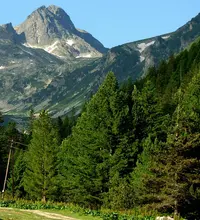
This species naturally occurs from roughly 1,000–2,500 m in the mountains of Mexico and Central America, where it forms extensive pure or mixed stands on humid, mild slopes.

Remarkably fast growth

In suitable subtropical and tropical highland climates, this pine is known as one of the faster-growing Mesoamerican pines and is widely tested in plantations for rapid timber production.

Exceptionally long needles

Its needles are grouped mostly in fascicles of 5 and can reach around 25–40 cm in length, making them conspicuously longer and more flexible than those of many other closely related pines.

Botan icon

Did you know?

Pinus maximinoi has been widely introduced into tropical highland plantation programs outside its native range, particularly in parts of Africa and South America, where it is studied as a promising source of structural timber and pulp due to its combination of fast growth and relatively good wood quality.

FAQs about Thin-leaf Pine

This species is considered fast-growing for a pine, often adding 60–150 cm of height per year in favorable conditions. Growth slows with age. Adequate light, moisture, and space are essential for strong, straight trunk development.

Grow Healthy Plants with Botan Care

Keep your plants happy and healthy with plant identification, disease detection, and easy care guidance.

Botan plant care app — identify plants on mobile

Explore More Plants