miro Care (Pectinopitys ferruginea)

miro

About miro

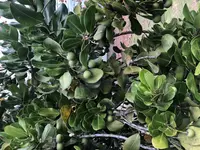
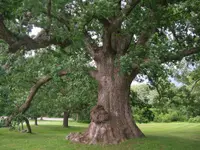
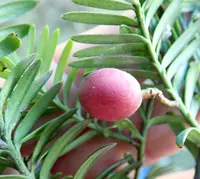
Miro, Pectinopitys ferruginea, is an evergreen coniferous tree native to New Zealand forests. It belongs to the podocarp family and forms a dense, upright crown. Mature trees develop straight trunks with dark, flaky bark and narrow, flat foliage that gives a fine, layered texture. Female trees produce fleshy, berry-like structures that attract birds and aid seed dispersal.

In gardens or larger landscapes, miro grows slowly but can become a substantial, long-lived specimen when given enough space. It prefers cool, moist, well-drained soils and benefits from some shelter from harsh, drying winds, which helps care for miro in temperate regions.

Main Plant Requirements

Care Difficulty

Moderate Care

Light Preference

Partial Shade

Water Requirements

Moderate Water

Temperature Preference

Cool Climate

Hardiness Zone

8–10

Soil Texture

Loamy, Sandy, Organic-rich

Soil pH

Acidic (5.5–6.5), Slightly acidic (6.5–7.0)

Soil Drainage

Moist but well-drained

Fertilization

Minimal (feed rarely)

Get Personalized Care Plan

Scan your plant to receive care tips personalized for your specific plant

Available on iOS and Android

How to Care for the miro

This slow-growing New Zealand conifer prefers bright, gentle light similar to dappled forest conditions.

  • Provide 3–6 hours of filtered or dappled sun daily; light morning sun with afternoon shade suits miro in most climates.
  • Site young trees in partial shade under taller canopies; mature specimens tolerate more open light but not harsh, all-day exposure.
  • Watch foliage color and scorch: pale, sparse growth indicates insufficient light, while browning on sun-exposed sides signals excessive direct midday sun, especially in summer.

This species prefers evenly moist, cool soil but is sensitive to both prolonged dryness and waterlogging.

  • Water when the top 3–5 cm of soil feels just dry, then soak deeply so moisture reaches the root zone, especially in the first 3–5 years after planting.
  • Ensure well-drained, humus-rich soil; pooling water, sour smell, or yellowing, limp foliage indicate poor drainage and early overwatering stress.
  • In cooler months, reduce frequency as growth slows; sustained wilting, dull foliage, and dry, crumbly soil signal that Pectinopitys ferruginea needs a thorough soak.

This tree is naturally adapted to mild, maritime climates with cool summers and frost-tolerant winters.

  • Aim for active growth in 50–70°F (10–21°C); it still performs steadily in 40–75°F (4–24°C) if moisture and light are suitable.
  • Established plants tolerate brief drops near 20°F (-6°C), but young trees benefit from protection during hard frosts and cold, drying winds.
  • In hotter regions, temperatures above 85°F (29°C) increase stress; provide extra shade, mulch to cool the root zone, and avoid planting in heat-reflective, exposed sites.

This conifer tolerates a fairly wide humidity range but benefits from moderate ambient moisture.

  • Aim for 40–60% humidity, which suits miro in most temperate homes and sheltered outdoor spots.
  • It handles short dry spells, but very dry air can cause browning at needle tips and increased shedding.
  • Increase humidity with grouped planting, a nearby open tray of water and pebbles, or positioning away from strong drying winds or heaters.

This species prefers cool, deep, moisture-retentive but freely draining soil.

  • Use a loamy mix with 40–60% mineral content (sand or fine grit) and the rest stable organic matter such as composted bark or leaf mold.
  • Ensure excess water drains quickly yet the structure holds some moisture, avoiding both waterlogging and complete drying between waterings.
  • Maintain slightly acidic to neutral pH, roughly 5.5–7.0, avoiding strongly alkaline substrates that reduce nutrient availability.
  • On heavy clay sites, build a raised mound with added grit and coarse bark to improve aeration and prevent root suffocation.

This tree is only moderately suitable for long-term container growing and stays healthier in large, stable outdoor tubs than in small pots.

  • Choose a deep, heavy container that resists tipping as the plant gains height and sail from wind.
  • Use a tall pot profile to provide a cooler lower root zone, which this species prefers over shallow, heat-prone containers.
  • Elevate the container on feet or blocks so large drainage holes stay clear and water exits rapidly after heavy rain.

This slow-growing New Zealand conifer, commonly called miro, needs only light feeding in cultivation.

  • Use a balanced, slow-release NPK fertilizer or well-rotted compost in spring for container or nursery-grown plants.
  • Apply at half the label strength to avoid salt buildup and root burn.
  • Feed once in early spring and, if growth is weak, once again in midsummer during the active season.
  • Do not fertilize in fall or winter, when growth slows and nutrient demand drops.

Pectinopitys ferruginea needs minimal pruning, mainly to maintain health and safe structure.

  • Carry out light pruning in late winter or very early spring, before new growth starts.
  • Remove dead, diseased, or storm-damaged branches first, using clean, sharp bypass pruners or a pruning saw.
  • Thin congested interior branches sparingly to improve light penetration and airflow without opening the crown too much.
  • Limit cuts to smaller branches to preserve the natural conical shape and steady growth rate.

This species is usually grown as a landscape tree, so focus on careful transplanting rather than frequent repotting.

  • Transplant young trees in late winter or early spring while still dormant, before new root and shoot growth.
  • Look for roots circling the container, poor drainage, or slowed growth as signs a nursery plant needs a larger pot or planting out.
  • Move up only 1 container size, gently loosen circling roots, and keep as much rootball intact as possible.
  • Water thoroughly after planting, apply a 5–8 cm mulch layer, and shade lightly for 1–2 weeks to reduce transplant shock.

Propagation of Pectinopitys ferruginea is possible but slow and usually handled by specialist nurseries.

  • Use fresh seed collected from ripe cones; sow in autumn for natural cold stratification, which helps break dormancy.
  • Provide a free-draining, slightly acidic mix and keep it evenly moist but not waterlogged while seeds germinate.
  • Semi-hardwood cuttings can be taken in late summer, using rooting hormone and bottom heat to encourage root formation.
  • Grow seedlings and rooted cuttings in deep containers with minimal disturbance to protect the sensitive taproot.

This New Zealand conifer is moderately cold hardy and often needs little special winter care once established in mild climates.

  • In regions colder than its usual range, mulch 5–8 cm around the root zone to moderate soil temperature.
  • Avoid heavy foot traffic and soil compaction around the tree in winter to protect fine roots.
  • For container plants in frosty areas, move pots to a sheltered, unheated but frost-free spot until spring.

Care Tips

Wind-firm training

In the first 3–5 years, leave lower branches on and avoid tight staking so the young tree develops a sturdy, tapered trunk that better resists storm damage later.

Mulch for surface roots

Apply a 5–8 cm ring of wood chip mulch out to at least 60–90 cm from the trunk to protect the shallow feeder roots, reduce soil compaction, and stabilize soil moisture.

Structured form selection

When the tree is young, selectively keep a single, straight leader and remove competing uprights over several seasons to prevent weakly attached forks and future splitting.

Protective underplanting

Establish a low, shade-tolerant groundcover under the canopy instead of lawn to reduce root disturbance from mowing and foot traffic and to help conserve soil moisture.

Low-disturbance site care

Plan any trenching, edging, or new planting outside the dripline so the fine roots are not cut, and schedule any unavoidable soil work for cooler, moist periods to reduce stress when growing miro.

Common Pests and Diseases

Soil-borne Phytophthora

This disease causes gradual decline, yellowing, and dieback, often starting on one side of the tree, and is favored by poorly drained, compacted soils. Symptoms include thinning foliage, reduced new growth, and eventual branch death.

Solution

Improve drainage, avoid planting in waterlogged or compacted sites, and keep mulch and organic debris away from the trunk flare. Remove and destroy severely affected plants or majorly infected roots, and in high-value specimens consider consultation with an arborist about targeted phosphite (phosphonate) trunk or soil treatments under local regulations.

Armillaria root disease

This disease leads to progressive decline, crown thinning, and sudden branch dieback, especially in older or stressed miro trees. Symptoms include honey-colored mushrooms at the base in wet seasons and white fungal sheets under the bark at the root collar.

Solution

Reduce stress by improving site drainage and avoiding soil compaction or excavation around the root zone, and remove heavily infected stumps or major roots that act as inoculum sources. In landscapes where Armillaria is present, avoid overwatering, keep organic mulch thin and away from the trunk, and replace severely affected trees with less susceptible species if decline is advanced.

Scale insects

These insects attach to twigs and branches, sucking sap and causing yellowing foliage, reduced vigor, and sometimes sooty mold from honeydew deposits. Symptoms include small dome-shaped or oval shells along stems that are difficult to dislodge with light rubbing.

Solution

Prune and dispose of heavily infested twigs, then wash accessible branches with a strong stream of water to remove crawlers. For persistent infestations on ornamental or nursery-grown miro, apply horticultural oil during the crawler stage according to label directions and improve plant vigor through correct watering and mulch management to enhance natural resistance.

Leaf and shoot blight

This disease causes browning and distortion of new shoots and localized patches of dead foliage, usually in humid, shaded sites with poor airflow. Symptoms include blighted tips, small necrotic spots that may coalesce, and premature needle drop on younger growth.

Solution

Prune out and destroy blighted shoots during dry weather, cutting back into healthy tissue, and avoid overhead irrigation that wets foliage late in the day. Improve air circulation by spacing plants correctly and thinning nearby vegetation, and if the problem recurs on high-value trees, seek local guidance on suitable copper-based or other targeted fungicides.

Bark and stem cankers

This disease complex causes sunken, cracked patches of bark, resin bleeding, dieback of distal branches, and can girdle stems in younger trees. Symptoms include elongated discolored lesions along branches or the trunk, sometimes following mechanical damage or stress.

Solution

Carefully prune out affected branches several cm below visible symptoms, disinfecting tools between cuts with alcohol or a 10% bleach solution, and avoid wounding the trunk with lawn equipment or staking wires. Improve overall vigor through correct watering and soil management, and in cases of extensive trunk cankers on landscape trees, consult a professional arborist to assess structural safety and long-term prospects.

Interesting Facts

New Zealand canopy conifer

This southern hemisphere conifer is native only to New Zealand and commonly reaches the main forest canopy, forming tall, straight trunks that can exceed 20 m in mature podocarp–broadleaf forest.

Fleshy seed cones

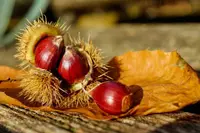
Instead of woody cones, it produces small fleshy structures called epimatia that turn reddish and are eaten by birds, which then disperse the hard seed inside.

Recent genus reassignment

Genetic studies showed it was distinct from traditional Podocarpus, leading taxonomists to place it in the segregate genus Pectinopitys, reflecting updated understanding of podocarp evolution and relationships.

Botan icon

Did you know?

Large, mature individuals of this species often develop tall, clean boles with little branching on the lower trunk, which historically made the timber sought after for uses such as house framing and interior joinery in New Zealand, although it is now more valued as a native forest component than as a commercial timber source.

FAQs about miro

Growth is slow to moderate. Young trees may add 15–30 cm per year, then slow with age. In suitable outdoor conditions, this species can ultimately reach 10–20 m tall, forming a dense, conical to rounded crown.

Grow Healthy Plants with Botan Care

Keep your plants happy and healthy with plant identification, disease detection, and easy care guidance.

Botan plant care app — identify plants on mobile

Explore More Plants