Pitch Pine Care (Pinus rigida)

Also known as: Hard Pine, northern pitch pine, torch pine, sap pine
Pitch Pine

About Pitch Pine

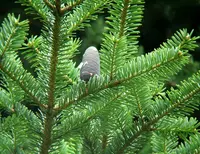
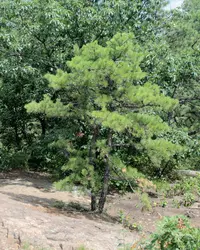
Pitch pine (Pinus rigida) is a hardy evergreen conifer native to eastern North America, especially sandy, nutrient-poor coastal and inland soils. It usually forms a medium-sized, irregularly shaped tree with stiff dark green needles in bundles of three and rugged, deeply furrowed bark.

This species is highly tolerant of poor soils, wind, and drought, which makes it resilient in challenging sites but less suited to small, formal gardens. It prefers full sun and well-drained, slightly acidic soil. Gardeners who want to learn how to care for Pitch Pine benefit from understanding its natural, low-fertility habitat.

Main Plant Requirements

Care Difficulty

Moderate Care

Light Preference

Full Sun

Water Requirements

Low Water

Temperature Preference

Cold Hardy

Hardiness Zone

4–7

Soil Texture

Sandy, Loamy, Rocky

Soil pH

Strongly acidic (4.5–5.5), Acidic (5.5–6.5)

Soil Drainage

Well-drained

Fertilization

Minimal (feed rarely)

Get Personalized Care Plan

Scan your plant to receive care tips personalized for your specific plant

Available on iOS and Android

How to Care for the Pitch Pine

This sun-loving pine thrives in open, exposed sites with strong light.

  • Provide 6–8 hours of direct sun daily; full sun promotes dense growth and sturdy needles in Pitch Pine.
  • It tolerates light partial shade, especially in the afternoon, but prolonged shade causes sparse branching and thin, elongated candles.
  • In hot summers, young trees benefit from slight afternoon shade to reduce needle scorch, while in winter unobstructed sun helps keep foliage healthy and reduces snow and ice damage.

This species prefers dry to moderately moist, well-drained soil and is drought tolerant once established.

  • After planting, water deeply when the top 5–8 cm of soil feels dry, then allow the soil to drain completely before the next watering.
  • Mature Pinus rigida in the ground usually needs supplemental water only during extended drought, guided by drooping or dull needles as early stress signs.
  • Avoid poorly drained or compacted sites; consistently wet soil, sour smell, and yellowing lower needles indicate overwatering and root decline.

This hardy pine is adapted to cold winters and warm summers in temperate climates.

  • Optimal growing-season temperatures are around 60–80°F (16–27°C), where shoot and needle growth proceed steadily.
  • It tolerates winter lows down to about -20°F (-29°C) once established, but young trees benefit from wind protection in exposed sites.
  • Heat tolerance is good up to about 90–95°F (32–35°C) if soil is not waterlogged; combined extreme heat and saturated soil greatly increase root stress.

Humidity is rarely a limiting factor for Pinus rigida, which thrives in typical outdoor air.

  • Target 30–60% relative humidity, similar to most temperate outdoor conditions.
  • This species tolerates dry air well; chronic humidity below 25% is usually less harmful than poor soil moisture.
  • Symptoms of humidity-related stress are minor, but combined drought and hot, very dry wind can cause browning needle tips; provide light wind protection if this occurs.

Pinus rigida prefers nutrient-poor, very well-drained mineral soils rather than rich, moisture-retentive substrates.

  • Use a sandy or gravelly mix, such as 50–70% coarse sand or small grit blended with low-nutrient loam and minimal compost.
  • Aim for slightly acidic to neutral pH, roughly 5.0–6.5, avoiding strongly alkaline or limy substrates that restrict nutrient uptake.
  • Ensure excellent drainage and aeration by avoiding fine peat-heavy mixes that compact and hold water around the roots.
  • Do not use dense clay-based soil; if local soil is heavy, grow in a raised, sharply drained bed with added sand and small gravel.

This species can be grown in containers for several years, but it remains better suited to in-ground culture long term.

  • Choose a deep, heavy container to support the developing taproot and prevent the tall, wind-catching canopy from tipping.
  • Use a sharply drained, sandy or gritty mix that dries quickly between waterings to avoid chronic root-zone saturation.
  • Position the container where rain and irrigation can drain freely away from the base so runoff does not pool around the pot.

This native pine usually grows well in poor soils and needs only modest feeding in cultivation.

  • Apply a light dressing of compost or well-rotted manure around the drip line once in spring for Pitch Pine in lean soil.
  • Alternatively, use a slow-release, balanced NPK fertilizer at 1/2 strength in early spring for container or young trees.
  • Do not fertilize in late summer or fall, to avoid forcing tender growth before winter dormancy.
  • Skip feeding mature, vigorous trees on reasonably fertile ground to prevent excessive, weak growth.

Pinus rigida benefits from light, targeted pruning to maintain structure and remove problem wood.

  • Prune in late winter to very early spring, before new growth begins, to reduce sap bleed and stress.
  • Remove dead, diseased, or storm-damaged branches back to healthy wood using clean, sharp bypass pruners or a pruning saw.
  • Thin crowded interior branches lightly to improve air flow and maintain a strong, open crown form.
  • Avoid heavy heading cuts; instead, make selective cuts at branch collars to preserve natural shape and structural integrity.

This species is rarely kept long term in containers; most care centers on careful outdoor transplanting.

  • Transplant young trees in early spring or early fall when soil is moist and temperatures are mild.
  • Look for roots circling the container or very slow, weak growth as signs a nursery tree needs a larger planting space.
  • Handle the root ball gently, loosening only the outer circling roots, then set at the same soil depth in a wide hole.
  • Water thoroughly after planting, keep soil evenly moist for the first growing season, and apply 5–8 cm of mulch to limit stress.

Pinus rigida is typically propagated from seed rather than by cuttings or division, which are unreliable.

  • Collect mature cones in late summer to fall and extract seeds once the cones dry and open.
  • Provide a cold stratification period of about 60–90 days at 34–41°F to break seed dormancy.
  • Sow seeds in spring in a well-drained, sandy mix, just barely covered, and keep evenly moist but not waterlogged.
  • Grow seedlings in full sun with good air circulation, then harden off carefully before outplanting to reduce transplant shock.

This pine is fully cold hardy in its native range and generally needs little special winter care in the ground.

  • In exposed sites, apply 5–8 cm of mulch over the root zone, keeping it a few cm away from the trunk.
  • For container-grown plants in colder regions, move pots to a sheltered, unheated but frost-moderated spot.
  • Brush off heavy, wet snow from branches to reduce the risk of breakage on young or narrow-limbed trees.

Care Tips

Encourage Deep Roots

During the first 3–4 years, water less frequently but for longer periods so moisture penetrates 20–30 cm deep, which encourages a deep, wind-resistant root system.

Maintain Open Canopy

For young trees, selectively remove only crossing or inward-growing branches in late winter to create an open canopy that improves air flow and reduces fungal needle diseases.

Protect From Soil Compaction

Keep foot traffic, heavy equipment, and parking away from the root zone (at least as wide as the canopy) to prevent soil compaction that restricts oxygen and water uptake.

Manage Natural Regeneration

If cones open and seedlings appear nearby, thin them early by hand so only the strongest, best-placed young trees remain, rather than allowing a dense, weak thicket to form.

Plan For Fire Ecology

In fire-prone areas, maintain a mineral soil ring 60–90 cm around the trunk and remove heavy surface fuel such as thick bark piles or brush, aligning caring for Pitch Pine with its natural fire-adapted ecology without increasing site risk.

Common Pests and Diseases

Pine needle scale

This pest appears as small white, oyster‑shaped bumps on needles, leading to yellowing and premature needle drop on stressed trees. Heavy infestations can reduce vigor and make trees more prone to other problems.

Solution

For light infestations, prune and destroy heavily affected branches and encourage natural predators by avoiding broad‑spectrum insecticides. For heavier cases, apply horticultural oil as a thorough spray during the crawler stage in spring and, if needed, repeat according to label directions, ensuring full coverage of needles and twigs.

Sawfly larvae

These insects feed in groups on older needles, giving branches a thinned or chewed appearance while often leaving only the current season’s needles intact. Severe feeding can weaken young or already stressed trees.

Solution

On small trees, handpick or clip off infested shoots and destroy them, or dislodge larvae with a strong stream of water. Where populations are high, a targeted application of a registered product such as spinosad or a labeled insecticidal soap to the larvae, applied in spring when they are actively feeding, can protect foliage while limiting impact on beneficial insects.

Pine needle rust

This disease causes bright yellow to orange spots or bands on needles, sometimes with powdery orange spore masses, and may lead to premature needle drop. In most cases, the impact on mature trees is cosmetic but can stress young trees if severe.

Solution

Rake and remove fallen needles to reduce the amount of fungal spores around the tree and avoid overhead irrigation that keeps foliage wet. Improve spacing and airflow around trees, and where the disease is persistent on high‑value specimens, a preventative fungicide labeled for pine needle rust can be applied in early spring following local extension guidance.

Diplodia tip blight

This disease affects shoots and cones, causing new shoots to brown and die back from the tip, often with stunted needles that remain attached. Repeated infections can thin the canopy and increase branch dieback, especially on stressed or older trees.

Solution

Prune out blighted tips and dead branches during dry weather, cutting back to healthy tissue and removing all debris from the site. Reduce stress by avoiding mechanical injury and drought, and on high‑value trees with a history of disease, use a fungicide labeled for tip blight at bud break and repeat as directed to protect new growth.

Pine bark beetles

These insects tunnel beneath the bark, disrupting water and nutrient flow, and are often associated with fading crowns, pitch tubes on the bark, and fine boring dust. Attacks are more common on drought‑stressed or otherwise weakened trees and can be fatal if not prevented early.

Solution

The most effective management is prevention by keeping trees healthy through proper watering during drought, avoiding trunk injury, and promptly removing and disposing of severely infested or dead trees to reduce beetle breeding sites. In areas with high beetle pressure, a professional arborist may apply preventive trunk sprays on high‑value trees before beetle flight periods, following regional Pinus rigida care instructions.

Interesting Facts

Epicormic sprouting specialist

Pitch pine can produce new shoots from its trunk and older branches after damage, a trait called epicormic sprouting that allows the tree to recover quickly from fire or severe pruning.

Serotinous cone strategy

Many populations bear serotinous cones that stay closed with resin until exposed to high heat, so seeds are released mainly after wildfires onto nutrient-rich, open soil.

Adapted to poor soils

This species often dominates dry, sandy, acidic, and nutrient-poor sites in eastern North America, where few other tree species can compete, making grow Pinus rigida a common choice for difficult reforestation sites.

Botan icon

Did you know?

Pitch pine was historically one of the primary sources of naval stores such as tar, pitch, and turpentine in colonial North America, supporting shipbuilding and maintenance for both local and transatlantic fleets.

FAQs about Pitch Pine

This species is slow to moderate growing. Young trees often add 15–30 cm per year, sometimes more on good sites. Growth slows with age, focusing energy on trunk thickening, root development, and cone production.

Grow Healthy Plants with Botan Care

Keep your plants happy and healthy with plant identification, disease detection, and easy care guidance.

Botan plant care app — identify plants on mobile

Explore More Plants