

Pitch Pine Identification (Pinus rigida)

Recognize Pitch Pine by its stiff needles in bundles of three, each about 2 to 5 inches (5 to 13 cm) long, and by small, egg-shaped cones with short prickles.

A rugged trunk with thick, irregular plates and clusters of needles or cones arising directly from older branches also helps confirm Pinus rigida.

Pinus rigida Identification

Check Your Plant ID

Not sure about your plant ID? Upload a photo and check it with Botan.

Clear images work best. Avoid photos taken too close or too far away

Check the overall form, needles, bark, and cones of Pinus rigida.

  • Needles grow in bundles of 3, stiff and twisted, about 3-5 inches (8-13 cm) long.
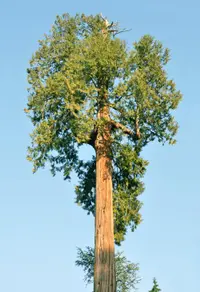
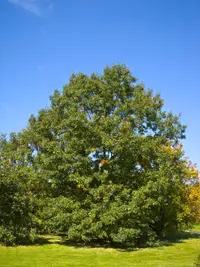
  • Crown is irregular and often open, with crooked branches and a rugged outline.
  • Bark is thick, dark gray-brown, and broken into broad, rough plates.
  • Cones are small, oval, about 1.5-3 inches (4-8 cm) long, with sharp prickles on each scale.

Trunk and branches may also carry short, clustered shoots directly from older wood.

Pitch Pine shows clear structural shifts from seedling form to a rugged, cone-bearing tree.

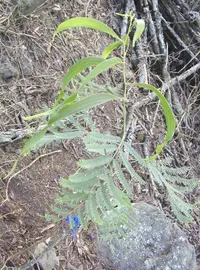
  • Seedling: Needles appear in small bundles, often stiff and short, while the stem stays slender and upright with few side branches.
  • Young plant: Branching becomes denser and irregular. Needles are borne in bundles of 3 and usually reach 3-5 inches (8-13 cm), giving a coarse texture.
  • Mature plant: The trunk thickens and bark becomes dark, rough, and deeply furrowed. Crowns often look uneven, with heavy limbs and many persistent lower branches.
  • Fruiting stage: Woody cones become a strong field mark, appearing oval and prickly, often clustered along branches and sometimes remaining attached well after opening.

In spring, fresh needles expand in clusters of three from new shoots, and the soft, pale growth contrasts with older, darker needles. Pollen cones may also become noticeable on branch tips. By late summer into fall, new cones are easy to spot as they enlarge and turn brown. In winter, Pinus rigida stays evergreen, so its stiff needles and rugged, irregular branching remain visible.

Several eastern pines can be mistaken for Pitch Pine at a glance.

Virginia pine(Pinus virginiana)

Confused because both are irregular pines with short needles in bundles. Virginia pine usually has 2 needles per bundle, not mostly 3, and its cones lack the stout prickles common on mature Pinus rigida cones.

Table mountain pine(Pinus pungens)

Similar for its stiff 2-3-needle bundles and prickly cones. Table mountain pine has larger cones, often 3-6 inches (8-15 cm), with much heavier curved spines, while Pinus rigida typically shows smaller cones and more frequent trunk sprouting.

Pinus rigida is native to eastern North America, from Maine and southern Ontario south along the Appalachian region to Georgia, with strong concentration in the Northeast and Mid-Atlantic. It is most often found in dry, sandy, or rocky sites, including pine barrens, ridges, and open upland woodland. Seeing it on nutrient-poor coastal plain sands or exposed inland slopes can help separate it from eastern pines more typical of richer or moister forests.

Does Your Plant Match?

Use Botan to compare a photo and help identify or confirm the plant before you label it.

FAQ

Needles alone are not enough for reliable Pitch Pine identification. This species usually has stiff needles in bundles of three, but several pines share that trait. Check cones, rough bark, and epicormic shoots from the trunk.

More Plant Identification Guides

Identify First. Learn What Comes Next.

Use Botan to identify a plant from a photo, then review plant details, care information, and common problems.

Botan app identifying a plant from a photo
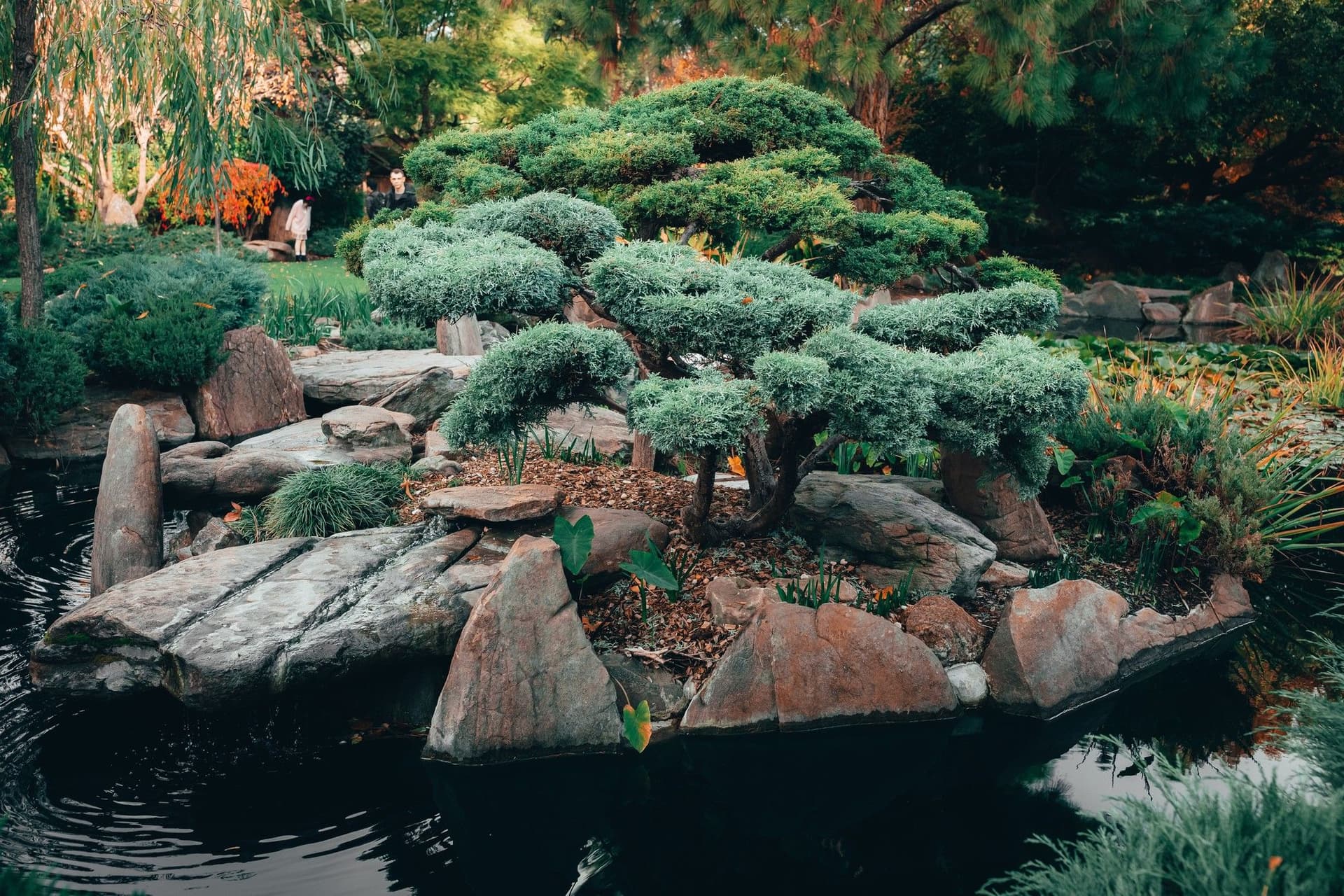
How to Group Plants in Landscaping: A Practical Layout Guide

8 min read · 31 Aug 2026

How to Group Plants in Landscaping: A Practical Layout Guide

Good plant grouping can mean the difference between a well-planned garden and one that looks sloppy. This guide explores layers, spacing, cluster shapes, and the plants that thrive when you group them.

Plant Care
How to Group Plants in Landscaping: A Practical Layout Guide
Can Plants Grow With Artificial Light?

6 min read · 15 Sept 2026

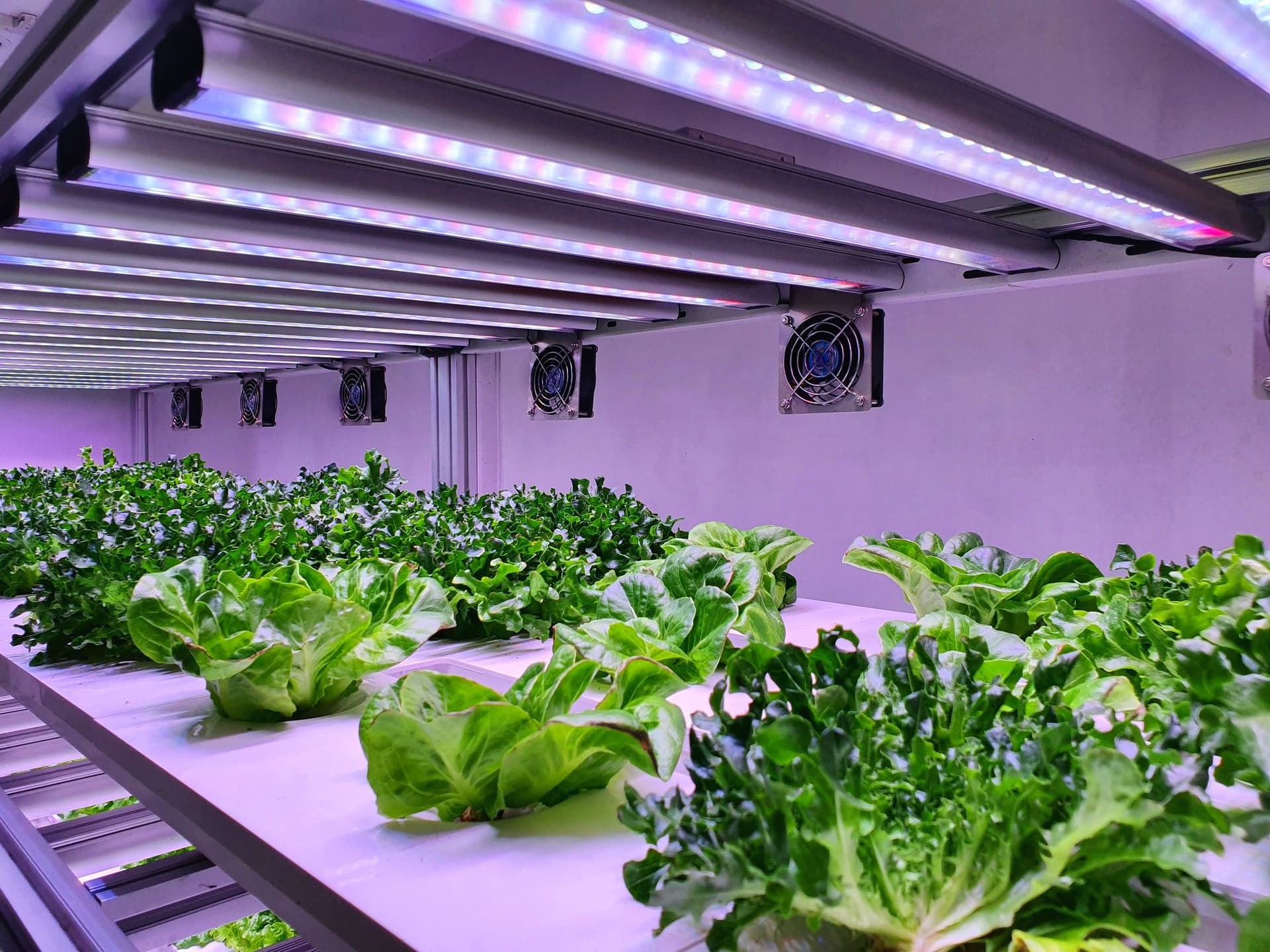
Can Plants Grow With Artificial Light?

Plants can grow under artificial light when the setup provides a suitable spectrum, enough intensity, and sufficient daily exposure. This guide explains how artificial lighting compares with sunlight, which options work indoors, and how to match a setup to houseplants.

Plant Care
Can Plants Grow With Artificial Light?
Plant Pot Sizes: How to Choose the Right Plant Container

7 min read · 20 Aug 2026

Plant Pot Sizes: How to Choose the Right Plant Container

Plant pot sizes can be confusing because the number on the label only tells you part of the required information. A container may look spacious but actually be too shallow. So, how to choose pot size for plant species?

Beginner Guides
Plant Pot Sizes: How to Choose the Right Plant Container