


koa tree Identification (Acacia koa)

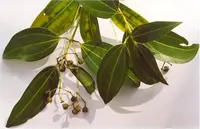
Recognize koa tree by its sickle-shaped phyllodes, usually 3-7 inches (8-18 cm) long, each with several strong parallel veins from base to tip.

It also forms a broad crown with stout, furrowed bark on mature trunks and bears small pale-yellow flowers packed into round heads.

Acacia koa Identification

Scan to Confirm koa tree

Upload a clear photo to check your plant identification with Botan.

Clear images work best. Avoid photos taken too close or too far away

Check Acacia koa for these easy-to-see traits.

  • Tall tree form, often 50-80 feet (15-24 m) or more, with a broad, spreading crown.
  • Leaves are usually phyllodes, meaning flattened leaf stalks that act like blades, sickle-shaped and about 4-8 inches (10-20 cm) long.
  • Phyllodes show several strong, lengthwise veins running from base to tip.
  • Bark on older trunks is dark gray to brown, rough, and furrowed into long ridges.
  • Seed pods are flat, strap-like, slightly curved, and hang in clusters.

Use the phyllodes and broad crown together for a faster visual check.

Acacia koa shows clear visual shifts from divided juvenile leaves to adult phyllodes.

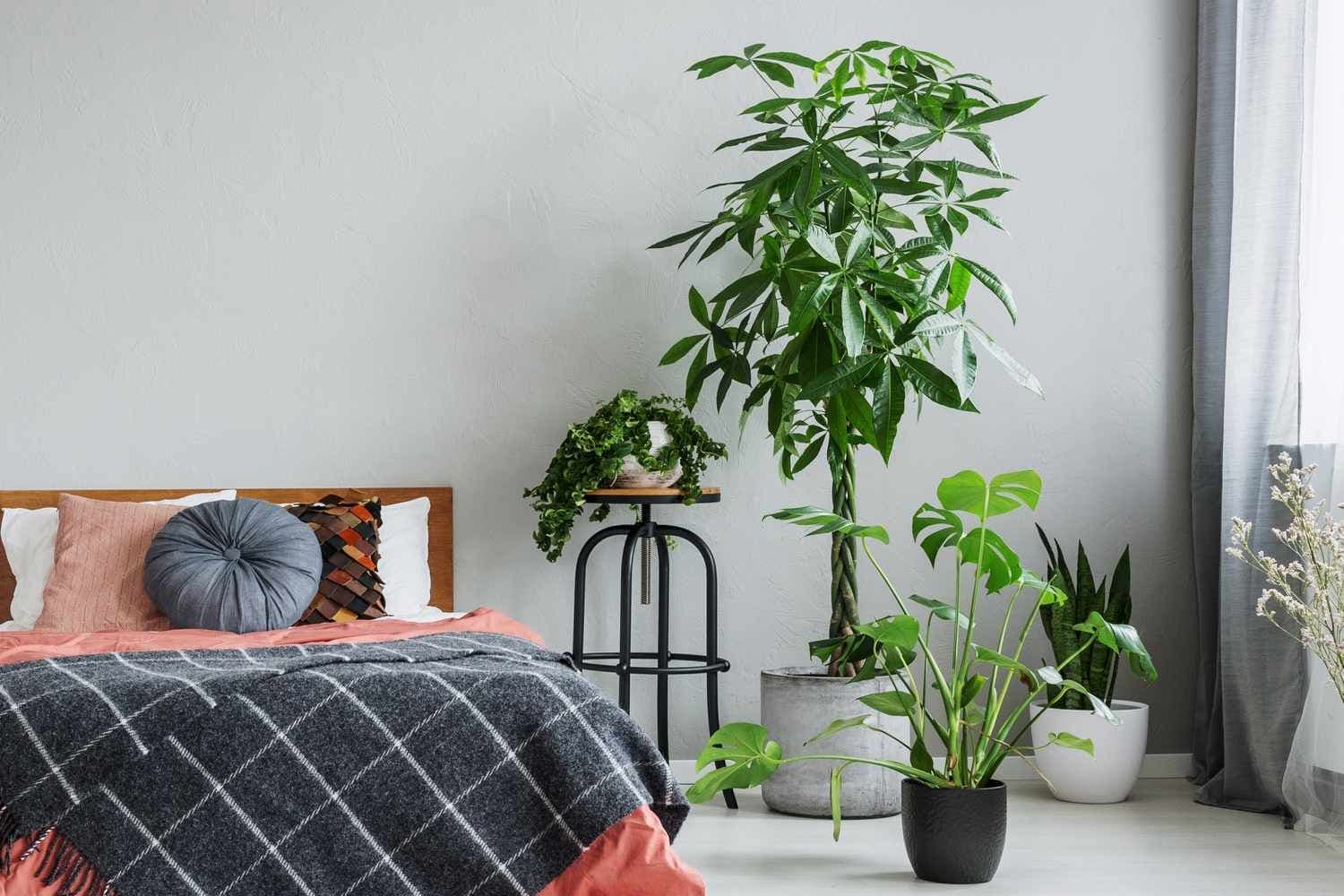
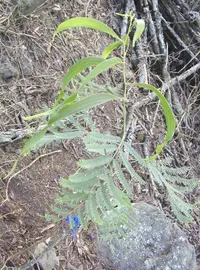
  • Juvenile plant: Young plants bear true bipinnate leaves with many small leaflets, a fernlike look that differs strongly from the later simple adult foliage.
  • Young plant: As the plant transitions, flattened phyllodes replace divided leaves. These sickle-shaped leaf blades become the main foliage, often 4-8 inches (10-20 cm) long.
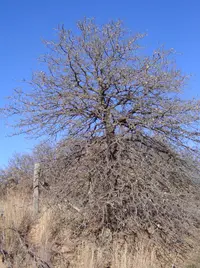
  • Mature plant: Older trees develop a tall trunk and broad crown. Mature foliage consists almost entirely of thick phyllodes, while the bark becomes darker, rougher, and furrowed.
  • Fruiting stage: After flowering, narrow flat pods hang among the phyllodes, turning brown as they mature and adding a visibly different, pendulous layer to the canopy.

Acacia koa stays evergreen, so it does not develop a leafless winter look. Seasonal identification clues come mainly from reproduction rather than leaf color or leaf drop. In the flowering period, pale yellow, ball-like flower heads become visible against the narrow phyllodes, which are flattened leaf stalks that function as leaves. Later, brown seed pods appear and hang on the branches, adding another clear seasonal feature.

A few Hawaiian acacias and relatives can be mistaken for Acacia koa at a glance.

koaia(Acacia koaia)

Often confused because both have sickle-shaped phyllodes, the flattened leaf stalks that replace true leaves. Koaia usually stays smaller and has narrower, stiffer phyllodes. Its seed pods are typically straighter and narrower than koa pods.

earleaf acacia(Acacia auriculiformis)

Can look similar because it also has broad phyllodes instead of feathery leaves. The quickest check is the pod: earleaf acacia has tightly curled, twisted pods, while koa has flatter, less coiled pods. Phyllodes are usually shorter and blunter-tipped.

Acacia koa is native to the Hawaiian Islands. It occurs across several main islands, especially in upland areas, and is one of the few acacias naturally found there. In the wild it grows in mesic to wet forests and open woodland, commonly from about 2,000 to 6,500 feet (600 to 2,000 m). That setting helps with identification: a large native Acacia in Hawaiian mid- to high-elevation forest is far more likely to be Acacia koa than a planted look-alike.

Does Your Plant Match?

Use Botan to compare a photo and help identify or confirm the plant before you label it or look up care.

FAQ

The clearest clue is its sickle-shaped phyllodes, which are flattened leaf stalks rather than true compound leaves. Mature phyllodes are usually 4 to 8 inches (10 to 20 cm) long and show several parallel veins.

More Plant Identification Guides

Find Out What Plant It Is

Identify it from a photo with Botan, then review plant details, care information, and common problems matched to the species.

Botan app identifying a plant from a photo
Plants That Repel Mosquitoes – 10 Effective Choices

8 min read · 6 Jul 2026

Plants That Repel Mosquitoes – 10 Effective Choices

Plants that repel mosquitoes can help mask human scent naturally and make outdoor spaces more comfortable. Explore the most effective options, their benefits and drawbacks, and choose the right plant for your space.

Plant Recommendations
Plants That Repel Mosquitoes – 10 Effective Choices
Top 5 Best Indoor Plants for Air Quality

5 min read · 11 Sept 2026

Top 5 Best Indoor Plants for Air Quality

Indoor plants can make a room feel fresher thanks to their air-purifying qualities. Here are 5 of the most suitable choices for your routine and living space.

Plant Recommendations
Top 5 Best Indoor Plants for Air Quality
Best Bedroom Plants – Top 10 to Grow in Your Space

8 min read · 8 Jul 2026

Best Bedroom Plants – Top 10 to Grow in Your Space

Discover the top 10 houseplants that are suitable for growing in your bedroom. Compare their light and water needs, pet safety, and benefits. Find out where best to place greenery in your relaxation space and what species to avoid.

Plant Recommendations
Best Bedroom Plants – Top 10 to Grow in Your Space