


eucalyptus tree Identification (Eucalyptus globulus)

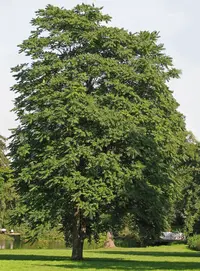
To recognize Eucalyptus globulus, look for long, sickle-shaped adult leaves that hang alternately on the stems, smooth bark that sheds in strips, and large single flower buds with a rounded cap.

Mature trees often form a tall, straight trunk, and the leaves are usually 6 to 12 inches (15 to 30 cm) long.

Eucalyptus globulus Identification

Scan to Confirm eucalyptus tree

Upload a clear image to check whether your plant ID is correct.

Clear images work best. Avoid photos taken too close or too far away

Check the leaves, bark, buds, and woody capsules on Eucalyptus globulus.

  • Adult leaves are long, narrow, and sickle-shaped, usually about 6–12 inches (15–30 cm) long, and hang vertically.
  • Leaves are simple and alternate, not divided, with a smooth edge and a blue-green to gray-green cast.
  • The trunk bark peels in long strips, leaving smoother pale cream, gray, or bluish areas underneath.
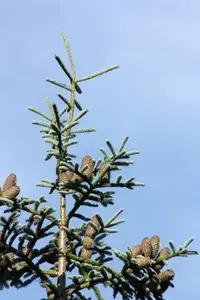
  • Flower buds are large and top-shaped with a caplike lid, and the woody capsules are thick, rounded, and about 0.6–1 inch (1.5–2.5 cm) wide.

Visible buds or capsules can confirm the ID faster than leaves alone.

Eucalyptus globulus shows distinct leaf and crown changes that make age-based identification practical.

  • Seedling: First leaves are opposite, small, and duller than later foliage, with a simple upright stem and little branching.
  • Juvenile plant: Juvenile foliage stays opposite and stalkless, often round to broadly oval, blue-gray, and noticeably broader than adult leaves, sometimes 4-10 inches (10-25 cm) long.
  • Mature plant: Adult leaves become alternate, narrower, and sickle-shaped, hanging more vertically. The trunk turns stout with persistent rough bark low on the tree and smoother bark above.
  • Fruiting stage: Woody capsules are top-shaped to ribbed, hanging singly or in small clusters, with a broad rim and enclosed valves unlike the softer juvenile look.

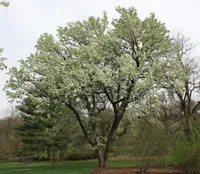
Flowering is the main seasonal clue in Eucalyptus globulus. In spring to early summer, mature trees show large white, brush-like flowers that stand out against the blue-green canopy and make the crown look lighter from a distance. After flowering, woody capsule fruits become easy to spot and can persist on the branches. Because this species is evergreen, there is no leaf-drop season that exposes bare stems for identification.

A few blue-leaved gum trees are often mistaken for Eucalyptus globulus.

cider gum(Eucalyptus gunnii)

Often confused because both have round, blue juvenile leaves. Eucalyptus gunnii usually keeps smaller, opposite adult leaves, while Eucalyptus globulus develops longer, alternate sickle-shaped leaves and larger urn-shaped buds and fruits.

silver dollar gum(Eucalyptus cinerea)

Confusion starts with the silvery, rounded juvenile foliage. Eucalyptus cinerea commonly keeps paired leaves on many shoots and has shorter, broader adult leaves; Eucalyptus globulus shifts to much longer, narrower adult leaves and a more strongly peeling trunk.

Eucalyptus globulus is native to southeastern Australia, especially Tasmania and parts of southern Victoria. That range matters because self-sown trees or naturalized stands in similar coastal climates often point to this species rather than inland eucalypts. In the wild it grows in open forest and woodland, often on sheltered slopes and valleys, including near the coast. Seeing it in moist, temperate coastal landscapes helps narrow identification, especially in Tasmania where it is a characteristic native tree.

  • Leaves and oil: Leaves, and especially the essential oil, contain compounds that are toxic if ingested by humans and pets. The main concern is swallowing leaves or concentrated oil.
  • Skin contact: Sap or leaf oils can irritate skin in some people. This is a contact risk for humans who handle cut foliage or crushed leaves.

Scan. Check. Confirm.

Use Botan to identify or verify a plant from a photo, which helps avoid mix-ups before you spend more time on it.

FAQ

Yes. Mature growth usually has long, narrow, sickle-shaped adult leaves instead of the rounder juvenile ones. Older trunks often develop peeling bark in long strips, which helps with eucalyptus tree identification.

More Plant Identification Guides

Scan Your Plant. Get the Details.

Identify a plant from a photo with Botan, then see plant details, care information, and common problems for that species.

Botan app identifying a plant from a photo
How Long Can Flowers Go Without Water? Everything You Need to Know

6 min read · 10 Jul 2026

How Long Can Flowers Go Without Water? Everything You Need to Know

Flowers can survive without water anywhere from 1-2 hours to several months, depending on the plant type, species, and growing conditions. Some strong-looking flowers are drought-sensitive, while delicate-looking plants may tolerate long dry periods surprisingly well.

Plant Care
How Long Can Flowers Go Without Water? Everything You Need to Know
How to Mist Plants – Proper Technique and Common Mistakes

7 min read · 30 Jul 2026

How to Mist Plants – Proper Technique and Common Mistakes

Find out when misting works well and when to avoid it. Here, you’ll find detailed information about compatible and incompatible species, tips on how often to mist plants and do it correctly, and some great alternatives for raising humidity.

Beginner Guides
How to Mist Plants – Proper Technique and Common Mistakes
How to Use a Moisture Meter for Plants

5 min read · 4 Sept 2026

How to Use a Moisture Meter for Plants

Watering by feel kills plenty of houseplants. A moisture meter checks the soil for you, and takes the guesswork out of it. This guide will show you how to use it correctly, from the first touch to the final reading.

Beginner Guides
How to Use a Moisture Meter for Plants