

tree of heaven Identification (Ailanthus altissima)

Recognize tree of heaven by its very large, alternate compound leaves, often 1 to 3 feet (30 to 90 cm) long, with many leaflets and a small lobe with gland-tipped teeth at each leaflet base.

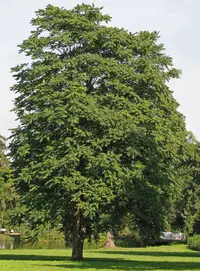
Also check the stout, smooth twigs and the broad, upright crown formed by fast, coarse branching.

Ailanthus altissima Identification

Check Your Plant with Botan

Use a clear photo to confirm what plant you have.

Clear images work best. Avoid photos taken too close or too far away

Check the overall leaf structure, bark, and seed clusters first.

  • Leaves are alternate, once-pinnate, often 1 to 3 feet (30 to 90 cm) long.
  • Each leaf usually has 10 to 41 leaflets arranged mostly opposite along the central stalk.
  • Leaflets are mostly smooth-edged, with one or two coarse lobes near the base.
  • Twigs are stout and smooth, with large leaf scars after leaves drop.
  • Gray bark is fairly smooth on younger trunks, becoming shallowly ridged with age.
  • Seeds hang in dense clusters; each seed sits inside a single twisted wing.

Dense hanging seed clusters can confirm the ID when present.

Ailanthus altissima shows clear visual shifts from seedling to fruiting adult, aiding identification.

  • Seedling: Seedlings start with simple leaves, then quickly produce alternate compound leaves on stout green shoots, giving a sparse, upright look unlike older branched plants.
  • Young plant: Young plants often form fast, vertical sprouts with very large compound leaves, sometimes 1-3 feet (30-90 cm) long, and few side branches.
  • Mature plant: Mature trees develop a single trunk or several upright stems, a broad open crown, thicker gray bark, and more regular branching than younger shoots.
  • Fruiting stage: Fruiting branches carry dense hanging clusters of flat twisted samaras, the papery winged fruits, which add a conspicuous layered texture absent before seed set.

In late spring to early summer, Ailanthus altissima shows very large compound leaves and loose clusters of small yellow-green flowers at branch tips. By late summer into fall, hanging winged seeds become prominent and often persist after leaf drop. In winter, the stout twigs, big leaf scars, and coarse open branching are easier to see.

Several pinnate-leaved trees are often mistaken for tree of heaven.

black walnut(Juglans nigra)

Both have large compound leaves. Black walnut leaflets are finely toothed all along the edges. Ailanthus leaves usually have mostly smooth leaflet edges, with 1-2 coarse lobes near each leaflet base.

sumac(Rhus spp.)

Sumacs can form thickets and have similar long compound leaves. They are usually smaller, shrubby trees with toothed leaflets and dense upright red fruit clusters, not dangling winged seeds.

Chinese toon(Toona sinensis)

This tree also has very large pinnate leaves. Its leaflet margins are usually toothed or wavy, while Ailanthus typically has smoother margins except for basal lobes.

Ailanthus altissima is native to China and Taiwan. In its native range it occurs in lowland to lower montane areas, often along forest edges, open slopes, disturbed ground, roadsides, streambanks, and around settlements. Habitat is useful for identification because this species commonly appears in sunny, human-disturbed places rather than deep woodland. Finding a fast-colonizing tree on vacant lots, rail corridors, walls, or urban edges can help narrow an ID toward Ailanthus altissima, especially outside managed plantings.

  • Skin contact: Sap and plant juices can irritate the skin in some people. The risk relates to contact with leaves, twigs, and cut stems, not just ingestion.
  • Handling concern: Flowers, leaves, and other parts have a strong odor, and handling or cutting the tree can expose people to irritating plant material. This is mainly a human skin-contact concern.

Check Your Plant ID

Use Botan to compare a photo and help confirm the plant, which can reduce mix-ups before you make decisions.

FAQ

The most reliable clue is the leaflet base. Each leaflet usually has one or two blunt teeth near the stem, each with a small gland. That gland-tipped notch is central to Ailanthus altissima identification.

More Plant Identification Guides

Identify Your Plant and Learn More

Upload a photo to identify the plant, then get species-specific care information, safety notes, and common problems.

Botan app identifying a plant from a photo
Rice Water for Plants – Which Plants Love It and How to Make It

8 min read · 14 Jul 2026

Rice Water for Plants – Which Plants Love It and How to Make It

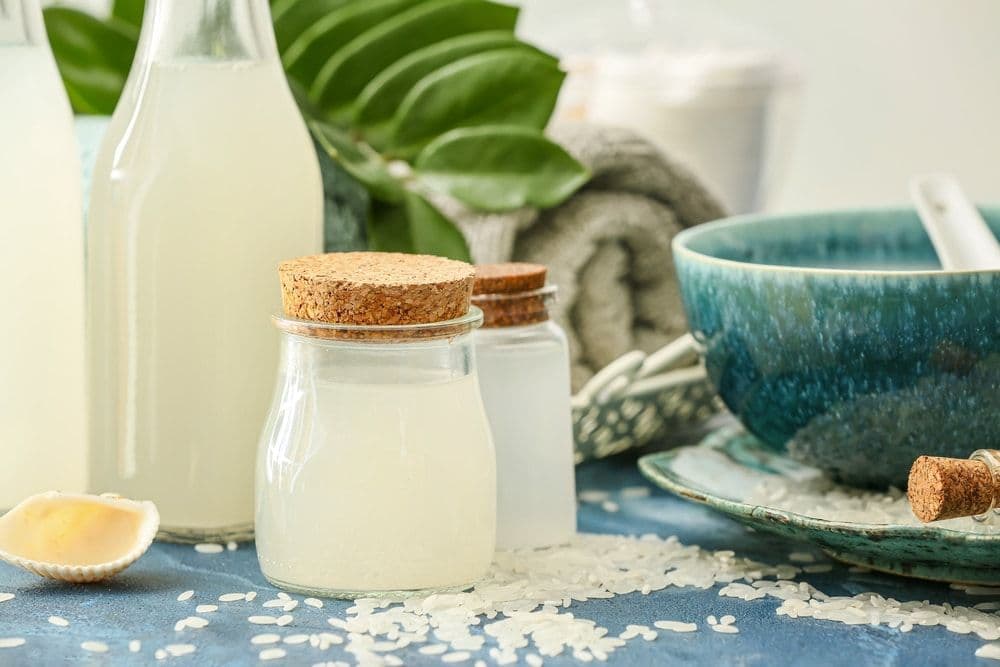
Rice water can be an ideal DIY solution for orchids, roses, or fruiting plants. It supports growth, leaf count, and height. We’ll share how to make and apply it correctly for your plant.

Plant Care
Rice Water for Plants – Which Plants Love It and How to Make It
Thorny Plants: A Comprehensive Guide

10 min read · 25 Aug 2026

Thorny Plants: A Comprehensive Guide

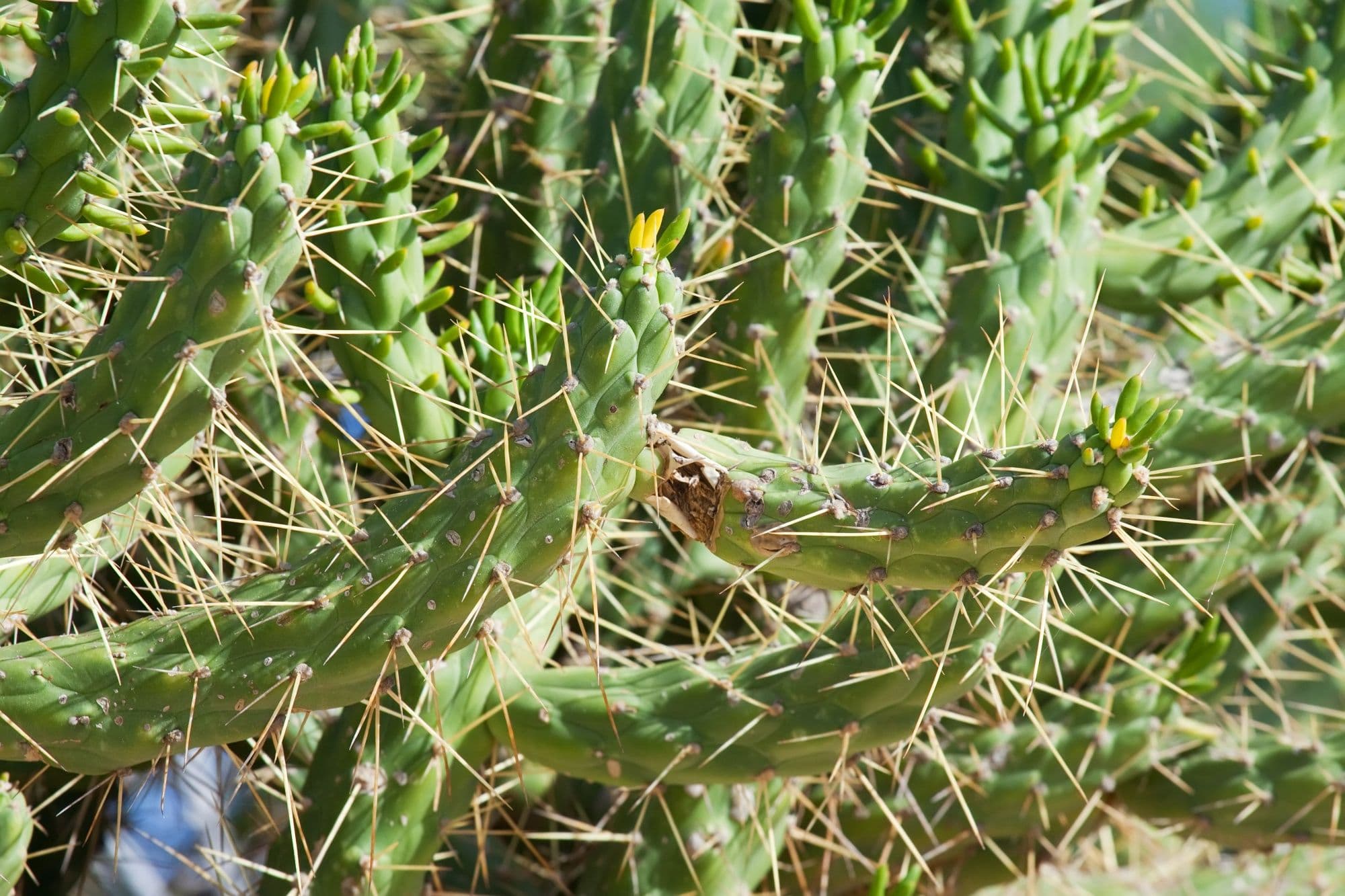
Many plants defend themselves with sharp thorns. This guide explores over 20 examples among flowers, shrubs, trees, and vines. You'll learn what each plant looks like, why it grows thorns, and how to quickly identify them.

Plant Recommendations
Thorny Plants: A Comprehensive Guide
Dill Companion Plants – What to Grow Next to Dill

9 min read · 17 Jul 2026

Dill Companion Plants – What to Grow Next to Dill

Dill is an easy-to-grow plant that gets along well with many vegetables. This guide describes 15 plants that can be planted alongside it, a few to avoid, and mistakes that can quietly sabotage the entire process.

Plant Recommendations
Dill Companion Plants – What to Grow Next to Dill