Root spread control
Install a vertical root barrier 45–60 cm deep around the planting area to reduce invasive suckering into nearby beds, paving, or property lines.

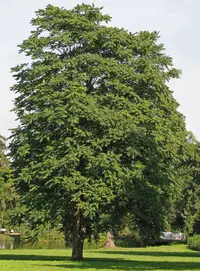
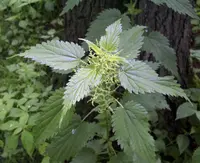
Tree of heaven, Ailanthus altissima, is a fast-growing deciduous tree known for its upright form, large compound leaves, and strong, often unpleasant odor. It can reach substantial height quickly and spreads aggressively by seed and root suckers, which makes it a common urban and roadside volunteer tree.
This species is native to China but is now widespread in many temperate regions, including much of North America and Europe. It tolerates poor soil, drought, heat, and pollution, so it often thrives where more demanding trees fail. Because of its invasive behavior, growers should think carefully about how to care for tree of heaven and control its spread.

Care Difficulty
Easy Care

Light Preference
Full Sun

Water Requirements
Low Water

Temperature Preference
Cold Hardy

Hardiness Zone
4–8

Soil Texture
Sandy, Loamy, Clay

Soil pH
Slightly acidic (6.5–7.0), Slightly alkaline (7.0–7.5)

Soil Drainage
Well-drained

Fertilization
Minimal (feed rarely)
Scan your plant to receive care tips personalized for your specific plant
Available on iOS and Android
This fast-growing species thrives in strong light and handles exposed urban sites well.
This species is drought-tolerant once established and prefers soil that dries between deep waterings.
This hardy tree tolerates a wide temperature range but grows most vigorously in moderate warmth.
Humidity is rarely a limiting factor for Ailanthus altissima, which tolerates a wide range of ambient conditions.
Ailanthus altissima tolerates many soil types but grows most controllably and safely in a well-structured, fast-draining mineral-based substrate.
This species is technically suitable for container growing but is usually kept potted only for short-term management or research purposes.
Most established Ailanthus altissima in the ground need little to no fertilizer once rooted in average soil.
Pruning Ailanthus altissima focuses on safety, containment, and removing weak wood rather than fine shaping.
Tree of heaven is rarely grown long term in containers, so care focuses on cautious transplanting from unwanted sites or young pots into open ground.
Ailanthus altissima spreads aggressively, so deliberate propagation is uncommon and often discouraged outside controlled research or management settings.
Mature Ailanthus altissima is cold hardy through most temperate winters and generally needs no special winter protection in the ground.

Plant Health Check
Not sure what's wrong with your plant? Check your plant's health inside the app.
When crushed, the leaves release a strong, acrid smell often compared to rancid peanuts or burnt rubber, caused by volatile compounds in the leaf tissues.
Tree of heaven releases chemicals such as ailanthone into the soil that can inhibit the germination and growth of nearby plants, giving it a competitive advantage in disturbed sites.
This species can flower and set seed within just a few years and produces large clusters of winged seeds that spread efficiently by wind, contributing to its reputation as a highly invasive urban and roadside tree.

The original tree of heaven in the United States was introduced as an ornamental in Philadelphia in the late 1700s, and from those early plantings the species rapidly spread across cities and transportation corridors, becoming one of the most widespread invasive trees in North America.
This species spreads very aggressively by wind-dispersed seed and extensive root suckers. It often forms dense thickets that outcompete nearby vegetation. In many regions it is classified as invasive and is not recommended for intentional planting.
Keep your plants happy and healthy with plant identification, disease detection, and easy care guidance.