

early goldenrod Identification (Solidago juncea)

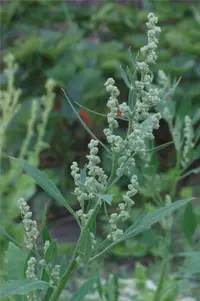
Recognize early goldenrod by its single, smooth stem with most leaves crowded near the base, where the blades are long, narrow, and taper to a petiole.

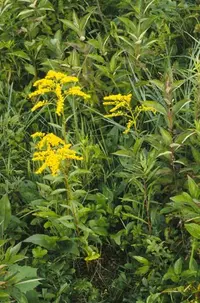
At flowering, look for a flat-topped to slightly rounded cluster of small yellow heads held above the sparse upper stem leaves.

Solidago juncea Identification

Is This early goldenrod?

Use a clear photo to confirm what plant you have.

Clear images work best. Avoid photos taken too close or too far away

Check the leaves, stem, and flower clusters on Solidago juncea.

  • Basal leaves are broadest above the middle, with long winged stalks and smooth or finely toothed edges.
  • Stem leaves are much smaller, few, and alternate, becoming narrow upward along a mostly smooth stem.
  • Plants stand about 1 to 4 feet (0.3 to 1.2 m) tall, often with a simple stem below the flower branches.
  • Flower heads are small, yellow, and crowded on one side of arching upper branches, forming a loose, narrow cluster.

A strong size contrast between large basal leaves and reduced stem leaves is especially useful.

Solidago juncea shows clear shifts in leaf placement, stem form, and flowering structure.

  • Juvenile plant: A low basal rosette dominates first growth, with broader spoon-shaped leaves and no obvious upright flowering stem.
  • Mature plant: Early goldenrod forms one or several smooth, stiff stems, often slightly zigzag, with fewer and much smaller stem leaves than basal leaves.
  • Flowering stage: Plants stand about 1-3 feet (30-90 cm) tall, ending in a flat-topped to rounded cluster of many small yellow heads on short branchlets.

In spring, Solidago juncea shows smooth basal leaves early, often before the flowering stems are obvious. By midsummer to early fall, the plant is easier to spot when bright yellow flower heads open in a one-sided, branching cluster near the top of the stem. After bloom, the heads dry into small, fluffy seed clusters that can persist briefly, while the top growth then turns brown and dies back.

A few goldenrods are regularly mistaken for Solidago juncea.

grass-leaved goldenrod(Euthamia graminifolia)

It shares flat-topped yellow flower clusters. The leaves are much narrower, grass-like, and line the stem densely; early goldenrod has broader lower leaves and a more open, wand-like spray.

elm-leaved goldenrod(Solidago ulmifolia)

Both have broad leaves and yellow flower clusters. Elm-leaved goldenrod keeps many leaves up the stem and often has toothed, three-veined leaves; Solidago juncea usually has larger basal leaves and far fewer stem leaves.

Solidago juncea is native to eastern and central North America, from southeastern Canada south through much of the eastern United States. Its range helps narrow identification when a suspected plant is found outside that region. It is most often found in dry, open habitats such as rocky slopes, open woods, woodland edges, clearings, and fields. Seeing it in sunny, well-drained sites rather than wetlands or dense forest can help separate it from some other goldenrods.

Check Your Plant ID

Upload a photo to Botan to identify the plant or confirm the match before you label it.

FAQ

The clearest field mark is its basal leaves: thick, smooth, and strongly three-nerved, often remaining green at flowering. Above them, the stem usually stays mostly leafless, ending in a small cluster of yellow flower heads.

More Plant Identification Guides

Identify Your Plant and Learn More

Use a photo to identify it with Botan, then get species-specific plant details, care information, and common problems.

Botan app identifying a plant from a photo
13 Best Front Yard Trees for Every Home and Yard

12 min read · 7 Aug 2026

13 Best Front Yard Trees for Every Home and Yard

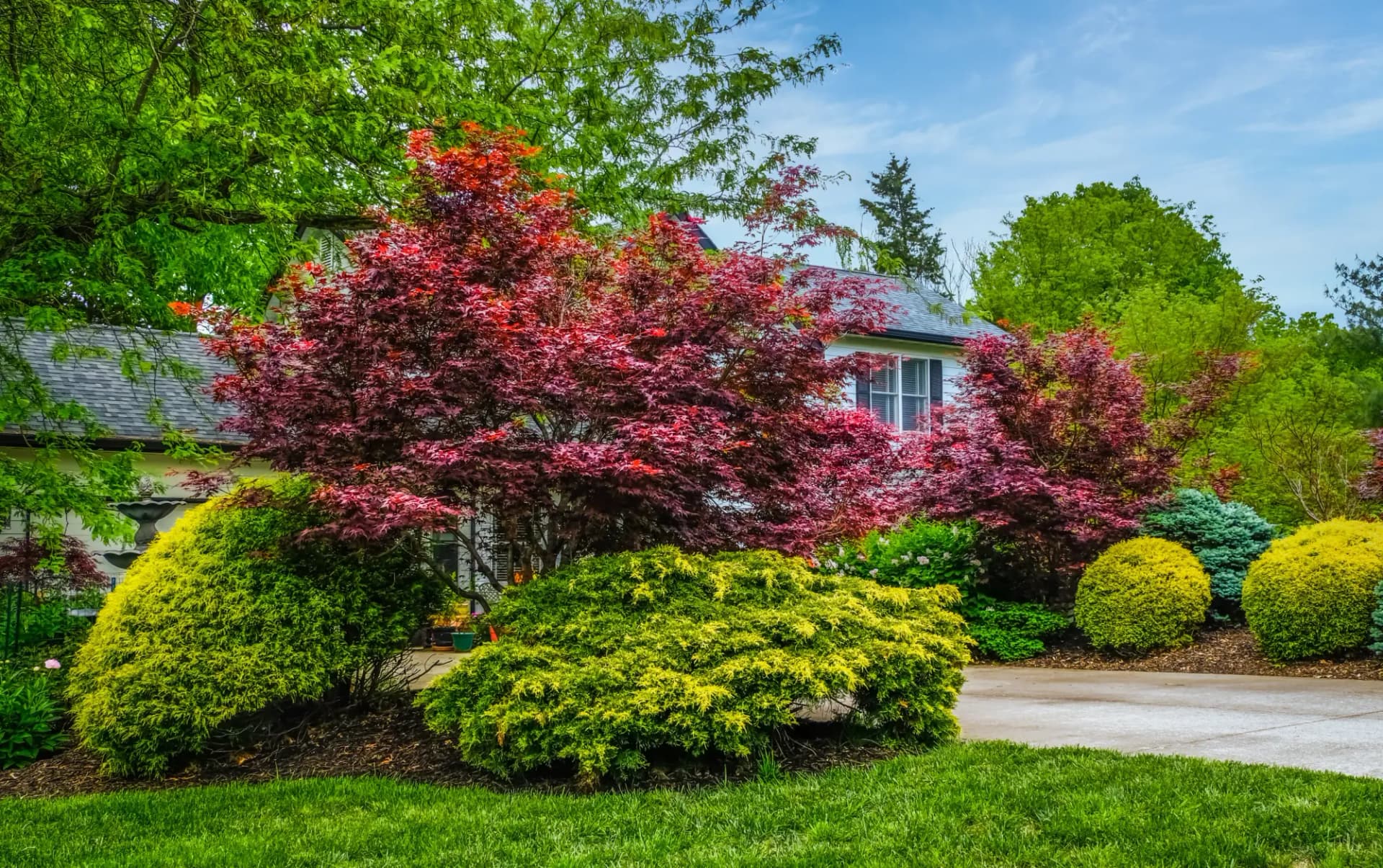
A front yard tree can stay for decades. Therefore, choosing one deserves serious consideration. Here are 13 trees that have proven themselves, sorted by their purpose. You'll also find five species to avoid and basic planting information.

Plant Recommendations
13 Best Front Yard Trees for Every Home and Yard
Frozen vs Fresh Vegetable Nutrients: Which Option Is Healthier?

6 min read · 8 Sept 2026

Frozen vs Fresh Vegetable Nutrients: Which Option Is Healthier?

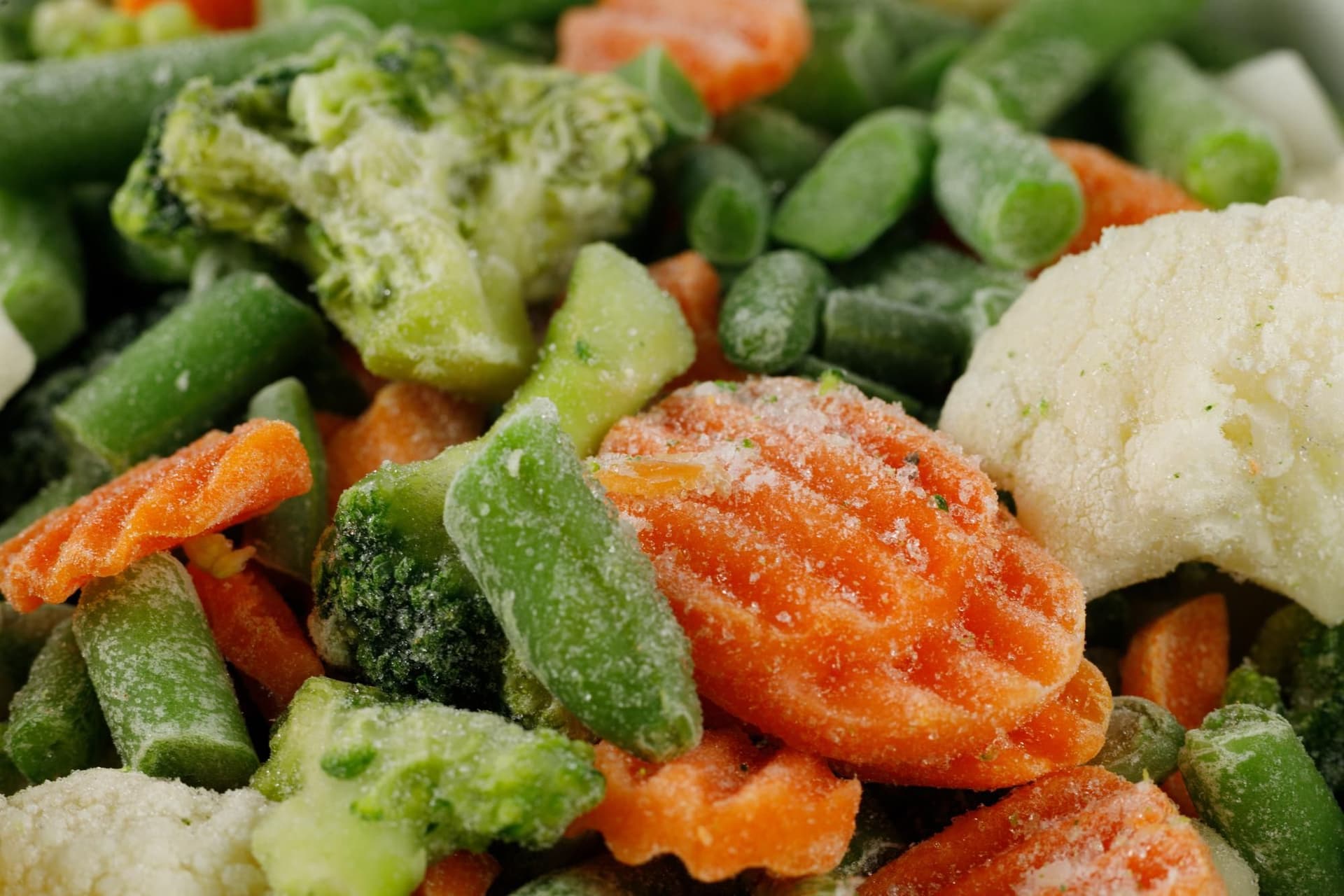
Frozen and fresh vegetables are nutritionally comparable: frozen produce often retains vitamins just as well as fresh and may sometimes contain more. Here’s how blanching and storage affect nutrients—and when to choose each.

Plant Recommendations
Frozen vs Fresh Vegetable Nutrients: Which Option Is Healthier?
Best Time to Mow Lawn – A Complete Guide

5 min read · 10 Aug 2026

Best Time to Mow Lawn – A Complete Guide

Explore when to mow your lawn for its health and a pleasant green color. Find out the best time for this task during the summer heat, and follow practical tips for correctly cutting the grass, and learn common mistakes to avoid.

Plant Care
Best Time to Mow Lawn – A Complete Guide