black oak Identification (Quercus velutina)

Recognize black oak by its alternate leaves with 5 to 7 bristle-tipped lobes and deep U-shaped sinuses, plus a dark trunk with thick, blocky ridges.

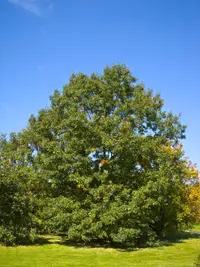
A broad, open crown and acorns set in a deep, scaly cup that covers about half the nut are also strong first-pass clues.

Quercus velutina Identification

Is This black oak?

Use a clear photo to confirm what plant you have.

Clear images work best. Avoid photos taken too close or too far away

Check the leaves, bark, and acorns for a quick match.

  • Leaves are alternate, 4-10 inches (10-25 cm) long, with 5-7 deep lobes and bristle-tipped points.
  • The sinuses, or cuts between lobes, often reach about halfway to the midrib.
  • Bark is very dark gray to black and broken into rough, blocky ridges on the trunk.
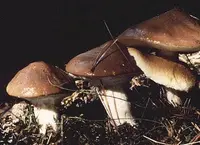
  • Acorns are about 1/2-3/4 inch (1.3-1.9 cm) long, with a deep, scaly cup covering roughly half the nut.

Use several traits together, especially leaf lobes, bark pattern, and acorn cup depth.

Black oak shows clear visual shifts from lobed seedlings to deeply furrowed, broad-crowned trees.

  • Seedling: First leaves are alternate and simple, but smaller and thinner than later foliage, with bristle-tipped lobes already visible on short green stems.
  • Young plant: Saplings carry larger, more deeply cut leaves, often 4-8 inches (10-20 cm) long, on slender trunks with darkening bark still mostly smooth.
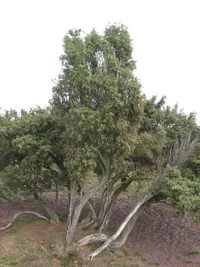
  • Mature plant: The crown becomes broad and irregular, with heavy limbs and a stout trunk; bark turns very dark and broken into thick, blocky ridges.
  • Fruiting stage: Acorns make this stage easy to spot: rounded nuts sit singly or in pairs, each enclosed about halfway by a scaly cup.

In spring, Quercus velutina leafs out with soft, pale to yellow-green leaves. New leaves may look slightly fuzzy at first, and drooping male catkins become visible during flowering. By late summer into fall, acorns are evident, often partly enclosed by a thick, scaly cup. Fall color is usually yellow-brown to rusty brown. After leaf drop, dark rough bark and pointed winter buds are easier to see.

Several eastern North American oaks are regularly mistaken for black oak.

northern red oak(Quercus rubra)

It shares pointed, bristle-tipped lobes. Red oak usually has shallower leaf sinuses and bark with broad, pale ski-track ridges, not the darker, blockier bark typical here.

scarlet oak(Quercus coccinea)

Both can have deeply lobed leaves with bristle tips. Scarlet oak usually shows C-shaped sinuses cut much closer to the midrib and smaller acorn cups covering about one-third of the nut.

pin oak(Quercus palustris)

Leaves can look similarly sharply lobed from a distance. Pin oak often has a more symmetrical leaf outline and a branching pattern with noticeably drooping lower branches.

Quercus velutina is native to eastern and central North America, from Maine and southern Ontario west to Minnesota and eastern Kansas, and south to Florida and eastern Texas. It is most often found in dry upland woods, open oak forests, sandy or rocky ridges, and disturbed sites rather than bottomland wetlands. In its range, finding an oak on dry, nutrient-poor ground can help narrow identification toward black oak and related upland species.

  • Acorns and foliage: Acorns, buds, and wilted or young leaves contain tannins. Ingestion can be harmful to humans and pets, especially livestock, and may affect the digestive tract and kidneys.
  • Mold on acorns: Old or damaged acorns can develop mold. Ingestion of moldy acorns is a separate risk for humans and pets because some molds produce harmful toxins.

Check Your Plant ID

Use Botan to identify or confirm a plant from a photo, which helps avoid mix-ups before you label, buy, or remove it.

FAQ

The clearest field mark is the inner bark. A small scratch on a twig or young bark shows bright yellow to orange-yellow tissue. In black oak identification, that color strongly supports this species.

Everything About black oak

More Plant Identification Guides

Identify Your Plant and Learn More

Identify a plant from a photo with Botan, then get species-specific care information, safety notes, and common problems.

Botan app identifying a plant from a photo
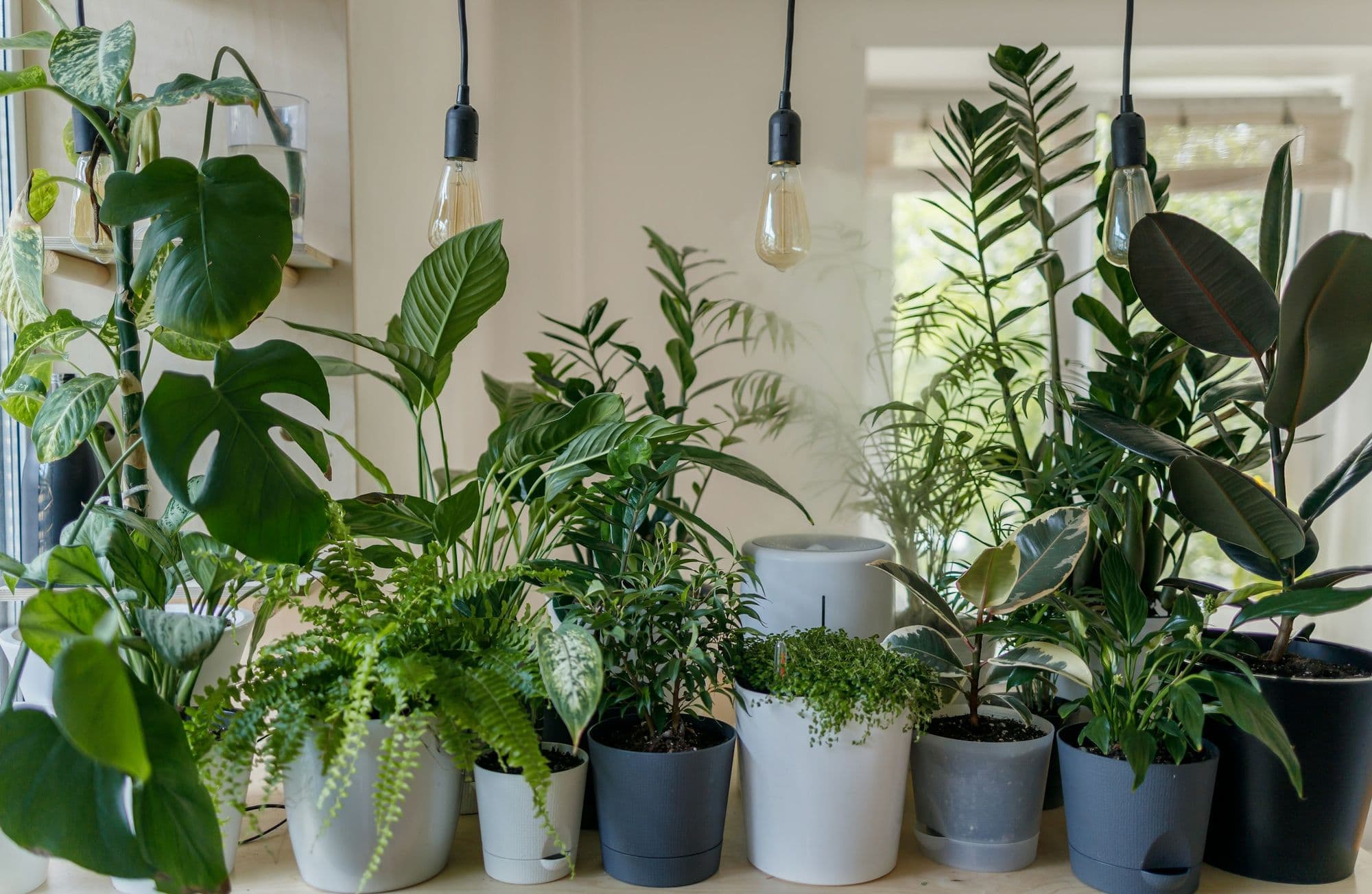
Top 15 Plants That Don’t Need Sunlight

8 min read · 17 Sept 2026

Top 15 Plants That Don’t Need Sunlight

Some plants thrive in dim rooms, shaded corners, and places with indirect light. In this guide, you’ll explore the top 15 species best suited to low-light conditions and how to care for them.

Plant Recommendations
Top 15 Plants That Don’t Need Sunlight
Plants That Repel Mosquitoes – 10 Effective Choices

8 min read · 6 Jul 2026

Plants That Repel Mosquitoes – 10 Effective Choices

Plants that repel mosquitoes can help mask human scent naturally and make outdoor spaces more comfortable. Explore the most effective options, their benefits and drawbacks, and choose the right plant for your space.

Plant Recommendations
Plants That Repel Mosquitoes – 10 Effective Choices
How Long Can Flowers Go Without Water? Everything You Need to Know

6 min read · 10 Jul 2026

How Long Can Flowers Go Without Water? Everything You Need to Know

Flowers can survive without water anywhere from 1-2 hours to several months, depending on the plant type, species, and growing conditions. Some strong-looking flowers are drought-sensitive, while delicate-looking plants may tolerate long dry periods surprisingly well.

Plant Care
How Long Can Flowers Go Without Water? Everything You Need to Know