


black oak (Quercus velutina) Light Needs

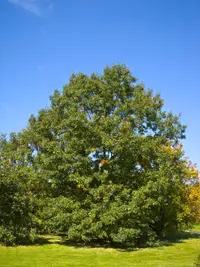
black oak grows best in full sun, with long, direct light through most of the day.

Light Preference

Full Sun

Quercus velutina Light Requirements

Black oak is native to eastern and central North America, where it commonly grows on upland ridges, dry slopes, and open woods. In these habitats, mature trees often receive long periods of direct sun, especially where the canopy is broken or the site is exposed.

Young trees may start in partial sun, but dense shade limits strong growth. Its preferred light is full sun.

  • Ideal exposure:

    black oak needs about 6–8 hours of full sun daily, with at least 6 hours of direct sunlight for strong growth.

  • Direct sun:

    Established trees tolerate all-day sun when planted in open ground with normal outdoor airflow.

  • Partial sun:

    Half-day sun is tolerated, but growth may be slower and the crown can become less dense.

  • Dense shade:

    Deep shade is unsuitable because this species is shade intolerant and loses vigor without strong light.

Full sun is normal, but abrupt exposure can still cause stress.

Scorched patches:

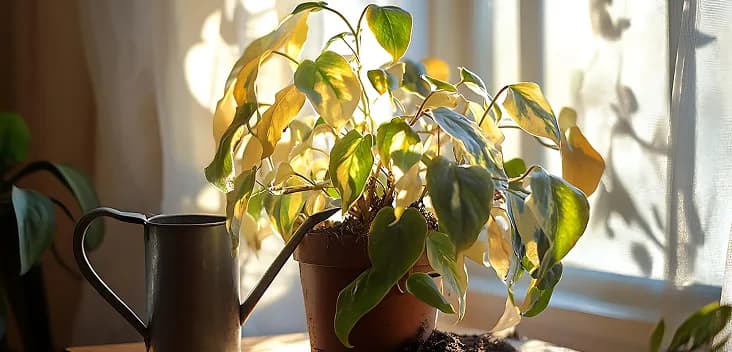
Leaves may develop dry tan or brown areas after a sudden change from shade to strong direct sun.

Bleached surfaces:

Exposed leaf surfaces can look pale or washed out where intense sun hits during hot afternoons.

Exposed-side damage:

Stress may appear mostly on the south or west side, especially near reflective pavement or walls.

Increase sun exposure gradually after transplanting or moving a young tree from a shaded site. If reflected heat is intense, use temporary afternoon shade while the plant adjusts.

Low light usually shows as weak structure rather than sudden damage. Quercus velutina is not suited to deep shade.

  • Stretched shoots:

    New stems may extend farther between leaves as the plant reaches toward stronger light.

  • Leaning growth:

    The main stem or young branches may angle toward the brightest side of the site.

  • Sparse crown:

    Foliage may be thinner than expected, especially on the shaded side.

  • Small new leaves:

    New growth may stay smaller during the active season when light remains too weak.

Move young plants to a more open site when possible, or reduce nearby shade gradually. Avoid leaving this species under dense overhead cover.

Choose the sunniest open planting site available if full sun is limited. A site with at least half-day sun is the best compromise, but all-day sun gives stronger long-term growth.

Prune or remove nearby competing branches only where appropriate and allowed to increase direct exposure. Keep fast-growing shade sources from closing over the crown.

Avoid planting in narrow, permanently shaded spaces because this setup cannot meet Quercus velutina light needs.

Get Personalized Care Plan

Scan your plant to receive care tips personalized for your specific plant

FAQ

The best light for black oak is full sun. This species grows strongest where it receives long, direct exposure through most of the day, especially in open outdoor sites.

Everything About black oak

More Plant Light Guides

Get the Botan App

Discover how to care for your plants with Botan.

Botan app identifying a plant with a phone camera
Rice Water for Plants – Which Plants Love It and How to Make It

8 min read · 14 Jul 2026

Rice Water for Plants – Which Plants Love It and How to Make It

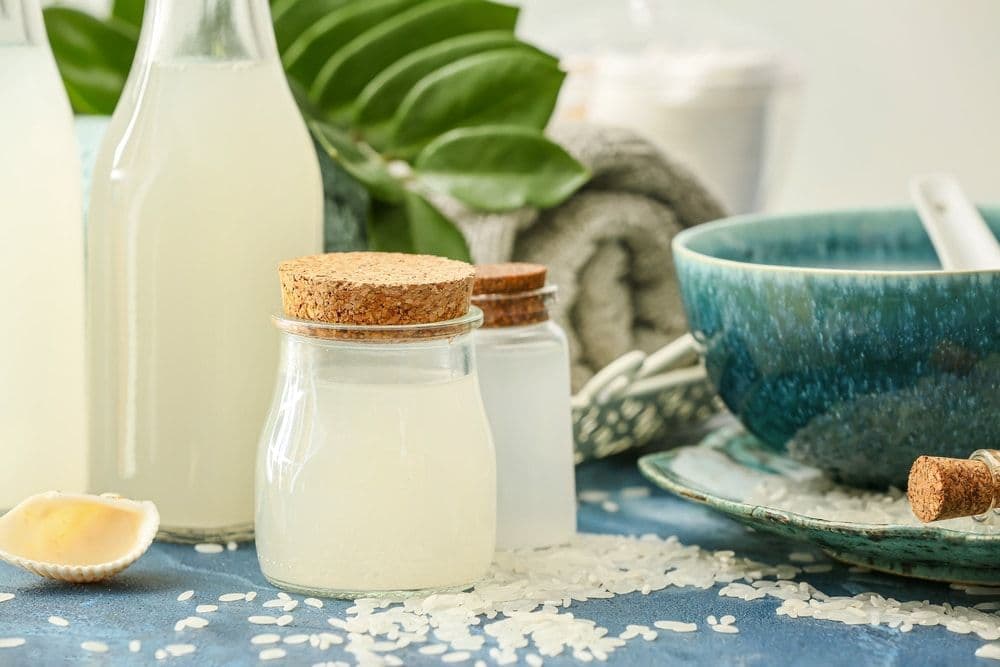
Rice water can be an ideal DIY solution for orchids, roses, or fruiting plants. It supports growth, leaf count, and height. We’ll share how to make and apply it correctly for your plant.

Plant Care
Rice Water for Plants – Which Plants Love It and How to Make It
Frozen vs Fresh Vegetable Nutrients: Which Option Is Healthier?

6 min read · 8 Sept 2026

Frozen vs Fresh Vegetable Nutrients: Which Option Is Healthier?

Frozen and fresh vegetables are nutritionally comparable: frozen produce often retains vitamins just as well as fresh and may sometimes contain more. Here’s how blanching and storage affect nutrients—and when to choose each.

Plant Recommendations
Frozen vs Fresh Vegetable Nutrients: Which Option Is Healthier?
Planting Grass Seed in Summer – What Works and What Fails

7 min read · 6 Aug 2026

Planting Grass Seed in Summer – What Works and What Fails

Summer seeding succeeds when the grass type suits the season, and the soil stays moist. Find out how to prepare the seedbed and choose a safe window for planting.

Plant Care
Planting Grass Seed in Summer – What Works and What Fails