

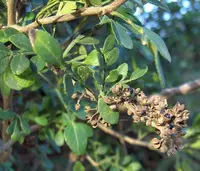

longan (Dimocarpus longan) Light Needs

The dragon eye grows best in full sun, with long daily exposure and some tolerance for partial sun.

Light Preference

Full Sun

Dimocarpus longan Light Requirements

Dragon eye is native to warm, humid parts of southern Asia, where it grows in open woodland edges, orchards, and sunny subtropical landscapes. Mature trees commonly receive strong seasonal sun rather than deep shade, although young growth may start with some protection from hotter exposure. In cultivation, this background translates to a need for bright, open conditions. Preferred light is full sun.

  • Ideal exposure:

    Dimocarpus longan needs about 6–8 hours of full sun daily, including at least 6 hours of direct sun for strongest growth.

  • Full sun tolerance:

    Established outdoor plants tolerate direct sun well when acclimated and not moved abruptly from shade.

  • Partial sun minimum:

    Partial sun can support growth, but fewer than 4–5 hours of direct sun often reduces vigor.

  • Afternoon heat:

    Hot afternoon sun is usually acceptable outdoors, but tender new leaves need gradual exposure after indoor or shaded conditions.

Excess light usually appears after a sudden move into harsher sun.

Sun-scorched patches:

Leaves may develop dry tan or pale brown areas on the most exposed surfaces.

Bleached new growth:

Tender flushes can look faded or papery when intense sun follows protected conditions.

Crisp leaflets:

Leaflets facing hot afternoon sun may dry at the tips or along sun-facing edges.

Uneven canopy color:

Outer leaves may look washed out while shaded interior leaves remain deeper green.

Move the plant to slightly gentler sun or add light shade during the hottest part of the day. Reintroduce stronger exposure over 1–2 weeks.

Weak light limits compact, productive growth. Symptoms are clearest during the active growing season.

  • Stretched stems:

    New shoots may lengthen with wider spacing between leaves as they reach toward brighter exposure.

  • Leaning growth:

    The canopy may angle toward the brightest side instead of growing evenly.

  • Small new leaves:

    Fresh growth can emerge smaller and thinner than normal when light stays low.

  • Reduced flowering:

    Insufficient sun can limit flowering and fruiting on mature plants.

Move it to a brighter outdoor position with direct sun. Increase exposure gradually if it has been kept in shade.

If full sun is not available, choose the brightest outdoor area that still gives 4–6 hours of direct sun. Treat this as a compromise, not a true low-light setup.

Improve exposure by clearing nearby shade where possible and rotating container-grown plants every 1–2 weeks during active growth.

Avoid a shaded patio or deep overhang because the plant is unlikely to stay vigorous without direct sun.

Get Personalized Care Plan

Scan your plant to receive care tips personalized for your specific plant

FAQ

The best light for dragon eye is full sun, ideally 6–8 hours of bright outdoor exposure each day. Partial sun is tolerated, but deep shade is not suitable for steady growth.

More Plant Light Guides

Get the Botan App

Discover how to care for your plants with Botan.

Botan app identifying a plant with a phone camera
10 Easy Garden Flowers to Grow

8 min read · 10 Sept 2026

10 Easy Garden Flowers to Grow

Discover 10 garden flowers that require minimal care. Learn which characteristics make plants easy to grow and follow tips on how to create a beautiful corner from beginner-friendly blooms on your property.

Beginner Guides
10 Easy Garden Flowers to Grow
How To Revive a Dying Plant: 6 Steps To Bring A Plant Back To Life

6 min read · 1 Sept 2026

How To Revive a Dying Plant: 6 Steps To Bring A Plant Back To Life

Drooping leaves and brown tips don't always mean the end, and a weakened plant can often recover with a little help. These six simple steps will help you revive a dying plant and restore its health.

Plant Care
How To Revive a Dying Plant: 6 Steps To Bring A Plant Back To Life
Rice Water for Plants – Which Plants Love It and How to Make It

8 min read · 14 Jul 2026

Rice Water for Plants – Which Plants Love It and How to Make It

Rice water can be an ideal DIY solution for orchids, roses, or fruiting plants. It supports growth, leaf count, and height. We’ll share how to make and apply it correctly for your plant.

Plant Care
Rice Water for Plants – Which Plants Love It and How to Make It