


Philodendron (Philodendron 'Painted Lady') Light Needs

Philodendron grows best in bright, indirect light with only gentle, brief direct sun during the morning.

Light Preference

Bright Indirect Light

Philodendron 'Painted Lady' Light Requirements

Philodendron 'Painted Lady' is a cultivated climbing aroid, so it does not have a wild habitat of its own. Its growth habit reflects understory ancestry, where foliage develops below taller vegetation and receives filtered light rather than open, all-day sun.

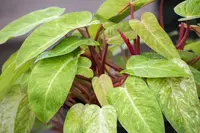
In cultivation, the variegated leaves color best with steady brightness and protection from hot direct rays, especially through glass. Preferred light is bright, indirect light.

  • Ideal exposure:

    Philodendron 'Painted Lady' needs about 6–8 hours of bright, indirect or filtered light daily, including up to 1–2 hours of gentle direct morning sun.

  • Direct sun:

    Avoid full sun and hot afternoon rays, which can scorch the pale variegated areas.

  • Lower light:

    It can tolerate shade or medium light, but growth may slow and variegation may look duller.

  • Best sun timing:

    Morning sun is safer than west-facing afternoon sun, especially close to glass.

Indoors, aim for a bright spot where the leaves see the sky but avoid harsh direct afternoon sun.

NConditional
North-facing window:

Use only a bright, unobstructed north window, placed close to the glass, because many north rooms are too dim.

EBest
East-facing window:

Place it within 1–3 ft of the window, where morning sun is mild and afternoon light is indirect.

SSuitable
South-facing window:

Keep it 3–6 ft from an unobstructed south window, or use a sheer curtain to soften direct rays.

WConditional
West-facing window:

Place it several feet back or filter the window, since direct late-day sun can scorch variegated leaves.

Adjust placement by watching new growth and leaf color over the next few weeks.

Strong sun can mark the leaves, especially after a sudden move.

Bleached patches:

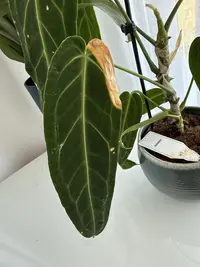
Pale cream sections may turn white, tan, or papery on the side facing the window.

Dry scorch spots:

Flat brown patches can appear where direct rays hit the leaf surface, not just at the tips.

Faded color:

New leaves may look washed out when brightness is harsh rather than filtered.

Heat curling:

Leaves may angle away from the glass or curl slightly during hot afternoon sun.

Damage usually stays on exposed leaves rather than appearing evenly across the plant. Move the plant out of direct afternoon sun and filter bright windows with a sheer curtain. Keep the light bright, but make the exposure indirect.

Low light usually shows as weaker new growth rather than sudden collapse. Variegated leaves need steady brightness to keep their color.

  • Longer spacing:

    New leaves may form farther apart along the stem as it reaches toward the light.

  • Leaning growth:

    Vines may bend toward the nearest window and look one-sided over time.

  • Duller variegation:

    Cream and yellow areas may become less distinct when light stays too low.

  • Smaller leaves:

    New leaves can emerge smaller during the active growing season.

  • Slow active growth:

    Little change during spring or summer can point to insufficient light when other care is steady.

Move Philodendron 'Painted Lady' gradually into brighter indirect light, not direct midday sun. Rotate after the move if one side keeps reaching.

If ideal brightness is not available, choose the brightest spot that does not receive harsh afternoon rays; bright shade is better than deep shade for leaf color.

Move the pot a little closer to the light source every few days, and rotate it a quarter turn so new growth stays balanced.

Do not use an unfiltered hot-sun location; the pale leaf sections are more likely to scorch there.

Get Personalized Care Plan

Scan your plant to receive care tips personalized for your specific plant

FAQ

The best light for Philodendron is bright, indirect light for most of the day. Gentle morning sun is usually fine, but strong afternoon sun is too intense indoors.

More Plant Light Guides

Get the Botan App

Discover how to care for your plants with Botan.

Botan app identifying a plant with a phone camera
How Long Can Flowers Go Without Water? Everything You Need to Know

6 min read · 10 Jul 2026

How Long Can Flowers Go Without Water? Everything You Need to Know

Flowers can survive without water anywhere from 1-2 hours to several months, depending on the plant type, species, and growing conditions. Some strong-looking flowers are drought-sensitive, while delicate-looking plants may tolerate long dry periods surprisingly well.

Plant Care
How Long Can Flowers Go Without Water? Everything You Need to Know
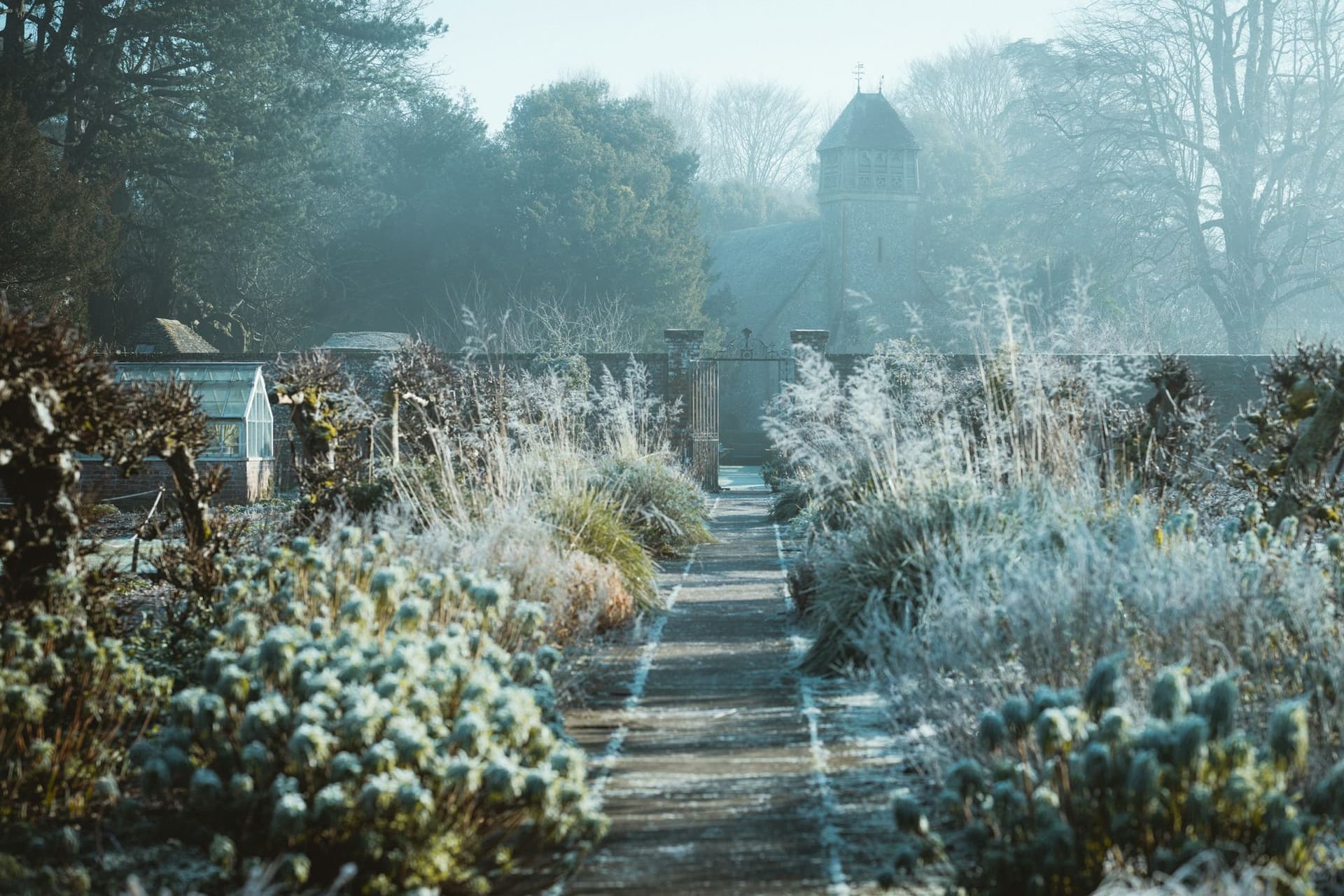
How to Winterize Your Garden in 6 Steps

5 min read · 28 Sept 2026

How to Winterize Your Garden in 6 Steps

Learn how to prepare your garden for winter with a practical six-step checklist covering cleanup, tender plant care, watering, mulching, winter protection, and winterizing equipment and containers.

Plant Care
How to Winterize Your Garden in 6 Steps
How to Group Plants in Landscaping: A Practical Layout Guide

8 min read · 31 Aug 2026

How to Group Plants in Landscaping: A Practical Layout Guide

Good plant grouping can mean the difference between a well-planned garden and one that looks sloppy. This guide explores layers, spacing, cluster shapes, and the plants that thrive when you group them.

Plant Care
How to Group Plants in Landscaping: A Practical Layout Guide