Washington hawthorn Care (Crataegus phaenopyrum)

Washington hawthorn

About Washington hawthorn

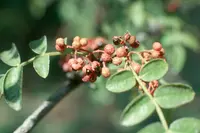
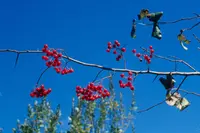
Washington hawthorn, Crataegus phaenopyrum, is a small deciduous tree known for its dense branches, white spring flowers, and bright red berries that persist into winter. It typically develops a rounded crown with strong thorns, making it useful as a barrier or specimen tree in landscapes. Native to the eastern United States, it adapts to many urban and suburban conditions. The species is generally hardy and long-lived when given full sun, average moisture, and well-drained soil. Once established, it tolerates some drought and air pollution, which simplifies how to care for Washington hawthorn in typical garden settings.

Main Plant Requirements

Care Difficulty

Easy Care

Light Preference

Full Sun

Water Requirements

Moderate Water

Temperature Preference

Cold Hardy

Hardiness Zone

4–8

Soil Texture

Sandy, Loamy, Clay

Soil pH

Acidic (5.5–6.5), Slightly acidic (6.5–7.0)

Soil Drainage

Well-drained

Fertilization

Minimal (feed rarely)

Get Personalized Care Plan

Scan your plant to receive care tips personalized for your specific plant

Available on iOS and Android

How to Care for the Washington hawthorn

This small deciduous tree needs full sun for best flowering and fruiting.

  • Provide 6–8 hours of direct sun daily; Washington hawthorn flowers and colors best in open, unobstructed sites.
  • Tolerates light partial shade, especially with morning sun and light afternoon shade, but dense shade reduces blooms and fruit set.
  • In hot summers, avoid highly reflective locations; intense afternoon sun combined with dry soil can scorch young foliage, so maintain mulch and soil moisture.

This species prefers evenly moist but well-drained soil once established.

  • For in-ground Crataegus phaenopyrum, allow the top 3–5 cm of soil to dry, then water deeply so moisture reaches the root zone.
  • During the first 1–2 growing seasons, monitor weekly; drooping or dull leaves in dry soil indicate the need for a thorough soak.
  • Avoid overwatering and poor drainage; persistent wet soil, yellowing leaves, or dieback of small roots suggest waterlogging and risk of root rot.

This hardy tree tolerates a wide temperature range once established outdoors.

  • Active growth is strongest around 60–80°F (16–27°C), supporting good shoot extension, flowering, and fruit development.
  • Mature trees tolerate winter lows near -20°F (-29°C); young plants benefit from mulch over the root zone in colder climates.
  • In hot regions with summer highs above 90°F (32°C), combine full sun with well-drained soil and consistent moisture to reduce heat stress and leaf scorch.

Humidity is rarely a limiting factor for Crataegus phaenopyrum grown outdoors in its suitable climate.

Crataegus phaenopyrum prefers moderately fertile, well-structured mineral soil that drains freely yet retains some moisture.

  • Use a loamy or sandy-loam soil with moderate organic matter, not pure compost or heavy clay.
  • Aim for slightly acidic to neutral pH around 6.0–7.5 to support balanced nutrient availability.
  • On clay sites, improve drainage and aeration by incorporating coarse sand or fine gravel plus compost into the top 20–30 cm.
  • Avoid permanently waterlogged, compacted, or highly saline soils, which increase root disease risk and reduce vigor.

This species can be grown in containers for some years, but long-term culture is challenging due to its eventual size and root system.

  • Select a deep, heavy container to provide root depth and prevent the tree from tipping in strong winds.
  • Choose a thick-walled or wooden pot if exposed to full sun, as it moderates root-zone temperature and slows moisture loss.
  • Raise the container on pot feet or bricks to keep drainage holes clear and reduce the risk of water pooling under the base.

This native tree usually needs minimal feeding once established, especially in reasonably fertile garden soil.

  • For young Washington hawthorn trees, apply a balanced slow-release fertilizer (such as 10-10-10) in early spring, following label rates.
  • Avoid high-nitrogen lawn fertilizers near the root zone to prevent weak, overly lush growth.
  • On poor soils, top-dress with 2–5 cm of compost in spring, keeping it away from the trunk flare.
  • Do not fertilize in late summer or fall, so new growth can harden before winter.

Pruning Crataegus phaenopyrum focuses on safety, structure, and air flow rather than frequent shaping.

  • Schedule structural pruning in late winter or very early spring, before bud break.
  • Remove dead, damaged, crossing, or inward-growing branches using clean, sharp bypass pruners or a pruning saw.
  • Thin congested interior branches to improve air circulation and light penetration, which supports flowering and reduces disease pressure.
  • Maintain a single strong leader and well-spaced scaffold branches to create a stable, balanced crown.

This hawthorn is usually grown in the ground, so care centers on planting and later transplanting rather than frequent repotting.

  • Transplant young trees in late fall or early spring while dormant, when soil is workable but not waterlogged.
  • Choose a site with full sun and well-drained soil; avoid low, wet spots that encourage root problems.
  • When moving a container-grown tree, check for circling roots and gently tease them out or cut shallow vertical slits.
  • Water deeply after planting, then keep soil evenly moist but not saturated for the first growing season to limit transplant shock.

Propagation of Crataegus phaenopyrum is possible but slow and often handled by nurseries rather than home gardeners.

  • Sow fresh seeds outdoors in fall to take advantage of natural cold stratification, which breaks dormancy over winter.
  • For controlled seed work, provide 3–4 months of cold, moist stratification at 34–41°F before spring sowing.
  • Semi-hardwood cuttings in midsummer root only with difficulty; use rooting hormone, sharp tools, and a well-drained, moist medium.
  • Expect variable seedling characteristics and slow early growth, so propagation is a long-term project.

This hawthorn is generally cold hardy in much of the US and needs little specialized winter care once established.

  • Young trees benefit from 5–8 cm of mulch over the root zone, kept a few cm away from the trunk.
  • Ensure soil drains well; avoid sites where winter waterlogging can freeze around roots.
  • Container-grown specimens in cold regions can be moved to a sheltered, unheated area or wrapped around the pot to limit root freeze-thaw cycles.

Care Tips

Establish strong scaffold

In the first 3–5 years, select 3–5 well-spaced main branches around the trunk and remove competing uprights to build a stable scaffold that will better support future fruit and reduce storm damage.

Trunk and root protection

Install a 5–10 cm deep mulch ring and keep mowers and string trimmers away from the trunk to prevent bark injury, which greatly reduces the risk of borers and decay in mature trees.

Targeted thorn management

On young trees in high-traffic areas, remove only the lowest, outward-pointing thorns with clean pruners to reduce injury risk while keeping most of the natural defense and structure intact.

Prevent rust diseases

If cedar-apple rust is common in your area, remove nearby junipers where feasible and use a dormant-season copper or sulfur spray according to label directions to reduce infection on new leaves and fruit.

Winter wildlife strategy

When caring for Washington hawthorn near roads or driveways, leave some interior branches unpruned so birds can access winter berries away from traffic, helping keep dropped fruit and bird activity away from paved surfaces.

Common Pests and Diseases

Hawthorn leaf spot

This disease causes small purple or reddish spots on leaves that enlarge, turn brown, and may lead to early leaf drop, especially in wet seasons.

Solution

Prune to improve air flow, rake and dispose of fallen leaves, and avoid overhead watering; in areas with a history of severe infections, apply a labeled fungicide in spring from bud break through wet periods, following local extension guidance for Crataegus phaenopyrum care.

Fire blight

This disease leads to blackened, wilted shoot tips that look scorched, with infected twigs often bending into a characteristic shepherd’s crook shape.

Solution

Prune out infected shoots at least 20–30 cm below visible damage during dry weather, disinfecting tools between cuts, and avoid high-nitrogen fertilization that encourages soft, susceptible growth; in high-risk areas, consult local guidelines about bloom-time bactericide sprays for established trees.

Cedar-hawthorn rust

This disease produces bright orange spots on leaves and can cause fruit distortion or drop, often where hawthorns grow near junipers or red cedars.

Solution

Remove and discard heavily infected leaves and fruit, improve canopy air circulation, and, where practical, increase distance from juniper hosts; in regions with chronic rust problems, consider preventive fungicide sprays in spring when new leaves and flowers emerge.

Aphids

These insects cluster on young shoots and the undersides of leaves, sucking sap and causing curling, distortion, and sticky honeydew deposits that can lead to sooty mold.

Solution

Spray colonies off with a strong stream of water, encourage natural predators such as lady beetles, and if populations remain high, use insecticidal soap or horticultural oil directed at the undersides of leaves, repeating as needed according to label directions.

Hawthorn lace bug

This pest feeds on the undersides of leaves, causing pale stippling, bronzing, and premature leaf drop, and leaves dark varnish-like spots of excrement beneath the foliage.

Solution

Monitor the undersides of leaves in late spring and early summer, prune and destroy heavily infested twigs, and use horticultural oil or insecticidal soap when nymphs are present, ensuring thorough coverage of the leaf undersides while avoiding applications during high heat or drought stress.

Interesting Facts

Dense multi-season display

Washington hawthorn develops a very dense crown that combines abundant white spring flowers, bright red berries that persist into winter, and strong orange to red fall color, giving it one of the longest ornamental seasons among North American hawthorns.

Bird and insect magnet

Its late-spring flowering period provides nectar and pollen for many native bees and other insects, and the persistent red fruits are a significant winter food source for birds such as cedar waxwings and robins.

Urban-tolerant native tree

This species is native to the eastern United States yet is unusually tolerant of urban conditions, including air pollution and compacted soils, which has led to its frequent use as a street and parking-lot tree in many cities.

Botan icon

Did you know?

Washington hawthorn has been widely planted as a security and boundary hedge because its stout, sharp thorns can reach several centimeters in length, forming an effective living barrier that deters people and large animals.

FAQs about Washington hawthorn

Lack of flowers is usually due to insufficient sun, heavy pruning at the wrong time, or nutrient imbalance, especially excess nitrogen. Late frosts, drought stress, and a young tree still establishing roots also reduce flowering.

Grow Healthy Plants with Botan Care

Keep your plants happy and healthy with plant identification, disease detection, and easy care guidance.

Botan plant care app — identify plants on mobile

Explore More Plants