Ilama Care (Annona macroprophyllata)

Ilama

About Ilama

Ilama, Annona macroprophyllata, is a tropical fruit tree from Central America, especially Mexico and nearby regions. It belongs to the same family as soursop and cherimoya.

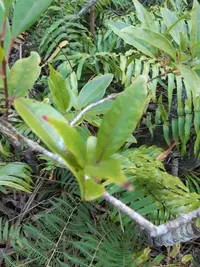
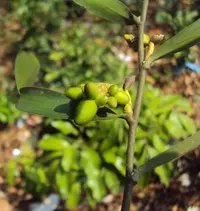
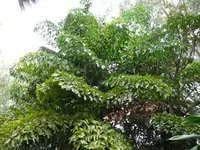
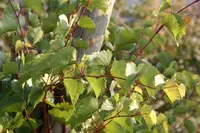
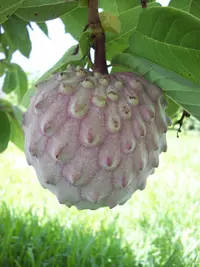
The tree forms a small to medium canopy with simple green leaves and produces rounded, scaly fruits with soft, sweet, aromatic flesh. It prefers warm, frost-free climates and does best in full sun with moderate moisture and well-drained soil.

For home growers, the main challenges are its need for consistent warmth, protection from cold, and enough space outdoors. Gardeners who learn how to care for Ilama often grow it as a specialty fruit tree rather than a casual ornamental.

Main Plant Requirements

Care Difficulty

Moderate Care

Light Preference

Full Sun

Water Requirements

Regular Water

Temperature Preference

Tropical / Frost Sensitive

Hardiness Zone

10–11

Soil Texture

Loamy, Sandy, Organic-rich

Soil pH

Acidic (5.5–6.5), Slightly acidic (6.5–7.0)

Soil Drainage

Moist but well-drained

Fertilization

Light (every 4–6 weeks)

Get Personalized Care Plan

Scan your plant to receive care tips personalized for your specific plant

Available on iOS and Android

How to Care for the Ilama

This subtropical fruit tree needs strong light but benefits from some protection during the hottest hours.

  • Provide 6–8 hours of direct sun daily, ideally full morning sun with light afternoon shade in hot climates for healthy Ilama growth.
  • In regions with intense summer sun, use filtered light or 30–40% shade cloth during midday to prevent leaf scorch and fruit sunburn.
  • In cooler or cloudy climates, prioritize maximum sun exposure and avoid dense shade, which leads to lanky growth, sparse flowering, and poor fruit set.

This species prefers evenly moist, well-drained soil and reacts quickly to extremes in watering.

  • Water when the top 3–5 cm of soil has dried, soaking the root zone deeply, then allow excess to drain away to avoid waterlogging.
  • During active growth and fruiting, expect more frequent watering, but in cooler months reduce frequency while still preventing the root zone from becoming completely dry.
  • Watch for yellowing, soft leaves as a sign of overwatering, and dull, curling, or crispy leaves as an indication that Annona macroprophyllata is too dry.

This tree thrives in warm, frost-free conditions and does poorly in cold or highly variable temperatures.

  • Aim for 70–90°F (21–32°C) for best growth, with stable warmth promoting flowering and fruit development.
  • Protect the plant any time temperatures approach 32°F (0°C); light frost can damage young shoots, and hard frost can kill branches or the entire tree.
  • In hot spells above 95°F (35°C), provide extra mulch and soil moisture, and consider light shade to reduce heat stress on foliage and young fruits.

This species benefits from fairly high, stable humidity, especially in warm conditions.

  • Aim for 50–70% humidity for Ilama, with consistent moisture in the surrounding air during active growth.
  • Tolerates brief dips into drier air, but prolonged levels below 40% can cause leaf edge browning and tip dieback.
  • Increase humidity with grouped plants, a nearby humidifier, or a wide pebble tray that allows evaporation without letting the pot sit in water.

This species grows best in deep, loose, well-drained, organic-rich soil.

  • Use a loamy mix with roughly 50% high-organic material (composted bark or well-aged compost) plus 25% coarse sand and 25% perlite for structure and drainage.
  • Target slightly acidic to neutral pH around 6.0–7.0, avoiding strongly alkaline conditions that can lock up nutrients and cause leaf chlorosis (yellowing).
  • Ensure the soil is crumbly, never compacted; coarse particles and organic matter maintain air pockets for the fine feeder roots of Annona macroprophyllata.
  • Avoid heavy clay or waterlogged sites; raised beds or mounded planting improve drainage where native soil stays wet after rain.

This species can be grown in containers if the pot is chosen to support vigorous root growth and top-heavy structure.

  • Select a deep, wide container that allows a strong taproot and lateral roots to develop without circling tightly.
  • Choose a heavy, stable pot material (such as thick terracotta or concrete) to reduce tipping risk in wind as the canopy enlarges.
  • Elevate the container slightly on pot feet so drainage holes clear quickly and no water pools under the base after irrigation.

This subtropical fruit tree benefits from moderate, balanced feeding to support steady growth and cropping.

  • Use a balanced granular NPK fertilizer or well-rotted compost applied around the drip line, avoiding contact with the trunk.
  • Feed mature trees 2–3 times during the warm growing season, spacing applications 6–8 weeks apart.
  • Apply at 1/2–3/4 the label rate for similar fruit trees to prevent nutrient burn, especially in young Ilama trees.
  • Reduce or stop fertilization in late fall and winter when growth slows or stops.

Pruning supports healthy structure and fruiting in Annona macroprophyllata without requiring heavy intervention.

  • Carry out main pruning at the end of winter or very early spring before active growth resumes.
  • Remove dead, diseased, crossing, or inward-growing branches to improve light penetration and airflow.
  • Shorten overly vigorous shoots to maintain a manageable height and a strong, open scaffold framework.
  • Use clean, sharp bypass pruners or a small pruning saw, making smooth cuts just above outward-facing buds or branch collars.

Annona macroprophyllata is usually grown in the ground, so care focuses on transplanting young trees with minimal root disturbance.

  • Transplant in late spring after frost risk, when soil is warm and roots are not waterlogged.
  • Look for roots circling nursery containers or slowed top growth as signals the plant has outgrown its pot.
  • Move to a hole 2–3 times wider than the root ball, planting at the same depth and backfilling with native soil, not rich mixes.
  • Water deeply after planting, shade lightly for 1–2 weeks, and keep soil evenly moist to reduce transplant shock.

New Annona macroprophyllata plants are most often raised from seed, with grafting used for selected cultivars.

  • Sow fresh, cleaned seeds in late spring in a well-drained, slightly warm medium kept at 75–85°F.
  • Scarify hard seed coats lightly with sandpaper and soak 12–24 hours to improve germination speed and uniformity.
  • Provide bright, indirect light and consistent moisture, avoiding waterlogging while seedlings develop strong roots.
  • Use cleft or veneer grafting in late spring onto vigorous rootstocks if specific fruit quality or vigor is desired.

This subtropical species is frost sensitive and needs thoughtful winter management in temperate climates.

  • Avoid exposure below about 30°F; young trees are especially vulnerable to freezing damage.
  • Mulch the root zone with 5–10 cm of organic material, keeping mulch a few cm away from the trunk.
  • Wrap young trunks with breathable tree wrap or horticultural fleece during cold snaps to reduce bark injury.
  • Move container-grown plants indoors or into a greenhouse before first frost, providing bright light and reduced watering.

Care Tips

Wind-harden young trees

Stake young plants only loosely and gradually reduce support over 1–2 seasons so trunks flex in the wind and develop strong, tapered wood rather than remaining thin and weak.

Encourage low branching

When the plant is 60–90 cm tall, pinch or head back the main leader lightly to promote 3–4 well-spaced lateral branches, which creates a stronger framework and easier harvest height for growing Ilama.

Protect flowers from rain

During flowering, use a simple overhead cover of clear plastic or a temporary canopy to reduce rain hitting the blooms directly, which helps pollen stay viable and improves fruit set.

Assist pollination by hand

In areas with limited natural pollinators, collect pollen from freshly opened male-stage flowers in the evening and brush it gently onto receptive female-stage flowers the following morning using a soft artist’s brush.

Mulch for root cooling

Maintain a 5–8 cm layer of coarse organic mulch over the root zone, keeping it a few cm away from the trunk, to moderate soil temperature, conserve moisture, and reduce weed competition without risking stem rot.

Common Pests and Diseases

Annona seed borer

This pest is a small moth whose larvae tunnel into developing fruits and seeds, causing premature fruit drop and reduced pulp quality. Symptoms include small entry holes, frass, and blackened or hollow seeds.

Solution

Collect and destroy infested and fallen fruits regularly, and prune to keep the canopy open so fruits dry quickly and are easier to monitor. Use fine mesh fruit bagging on young fruits, and where allowed, time applications of a targeted Bacillus thuringiensis (Bt) product to the early fruiting stage to reduce larval infestation as part of broader Annona macroprophyllata care instructions.

Fruit flies

These insects lay eggs under the fruit skin; larvae feed on the pulp, leading to soft, watery patches and rapid fruit decay. Symptoms include small puncture marks on the rind and internal maggots in ripening fruits.

Solution

Remove and dispose of infested and fallen fruits in sealed bags to break the life cycle, and keep the area under trees clean. Use baited traps and, in high-pressure areas, cover young fruits with mesh bags or sleeves to prevent egg laying.

Mealybugs

These insects form white cottony clusters on leaves, shoots, and fruit stems, sucking sap and weakening the plant. This pest often leads to sticky honeydew and black sooty mold on leaves and fruits.

Solution

Prune and discard heavily infested twigs, and wash reachable plant parts with a strong stream of water and a mild insecticidal soap solution. Control nearby ant activity, and repeat treatments every 7–10 days until new growth appears clean.

Anthracnose

This disease is a fungal infection that causes dark, sunken lesions on young leaves, flowers, and fruits, often leading to blossom blight and fruit spotting. Symptoms include irregular brown to black spots that may merge in humid conditions.

Solution

Remove and destroy infected leaves and mummified fruits, and avoid overhead irrigation to keep foliage and flowers as dry as possible. Improve airflow through regular thinning cuts and, in wet climates, use a labeled copper-based fungicide during flowering and early fruit set if the disease recurs.

Leaf spot

This disease produces small, tan to brown spots on leaves that may develop darker margins and cause premature leaf drop under humid conditions. Symptoms include scattered spotting that can coalesce on older foliage, reducing photosynthesis and vigor.

Solution

Rake and discard fallen leaves, and prune to open the canopy and reduce humidity around foliage. Space plants with good air circulation, water at soil level, and in persistent cases use a preventative fungicide labeled for Annona species at the start of the wet season.

Interesting Facts

Mesoamerican highland origin

This species is native to warm, seasonally dry highland regions of Mexico and Central America, where it grows in tropical dry forests and open woodlands rather than in lowland rainforests.

Distinct pinkish pulp

The edible fruit has aromatic, sweet pulp that often shows a pale pink to salmon tint, which helps distinguish it from several related Annona species with purely white flesh.

Beetle‑mediated pollination

Like many Annonaceae, it relies mainly on small nitidulid beetles that enter the partially closed flowers, where they feed, shelter, and transfer pollen between flowers on different trees.

Botan icon

Did you know?

Traditional custodians and growers in parts of Mexico consider this tree a distinct highland fruit resource separate from more widely commercialized relatives such as soursop and sugar apple, so it is still mostly conserved and exchanged through local orchards, home gardens, and regional markets rather than global trade.

FAQs about Ilama

Brown leaf edges or patches usually come from water stress, excess fertilizer salts, or sunscorch on tender foliage. Check soil moisture, flush the pot or root zone occasionally, and protect young leaves from sudden intense sun exposure.

Grow Healthy Plants with Botan Care

Keep your plants happy and healthy with plant identification, disease detection, and easy care guidance.

Botan plant care app — identify plants on mobile

Explore More Plants