Rotate container regularly
Turn the pot 90° every 3–4 weeks so fronds develop evenly around the stem cluster and the plant does not lean toward the light source over time.

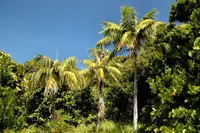
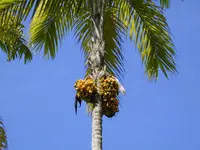
Kentia palm, Howea forsteriana, is a slow-growing feather palm valued as a long-lived indoor specimen. It forms a single or few slender trunks with gracefully arching, deep green fronds. Mature plants develop a classic palm-tree silhouette that fits well in living rooms, offices, and lobbies.
This species is native to Lord Howe Island off Australia, where it grows under bright, filtered light and mild, maritime conditions. It adapts well to indoor environments, tolerating relatively low light and some neglect, which makes it easier to care for Kentia palm than many other palms. It generally prefers stable indoor temperatures, moderate moisture, and a free-draining potting mix.

Care Difficulty
Moderate Care

Light Preference
Bright Indirect Light

Water Requirements
Moderate Water

Temperature Preference
Tropical / Frost Sensitive

Hardiness Zone
10–11

Soil Texture
Sandy, Loamy, Organic-rich

Soil pH
Acidic (5.5–6.5), Slightly acidic (6.5–7.0)

Soil Drainage
Moist but well-drained

Fertilization
Light (every 4–6 weeks)
Scan your plant to receive care tips personalized for your specific plant
Available on iOS and Android
This species prefers bright, gentle light that mimics the dappled shade of a forest understory.
Howea forsteriana prefers evenly moist but not saturated soil, with brief drying between waterings.
This palm grows best in mild, stable temperatures with protection from frost and extreme heat.
This species prefers moderate indoor humidity but usually adapts to typical home air.
Howea forsteriana grows best in a loose, airy mix that drains freely yet holds some moisture.
This palm is well suited to long-term container growing when the pot is chosen for stability and root comfort.
Howea forsteriana benefits from light, consistent feeding in active growth but is sensitive to excess salts.
Pruning Howea forsteriana is mainly hygienic, aimed at removing damaged tissue rather than reshaping the plant.
Howea forsteriana prefers to stay slightly rootbound and dislikes frequent disturbance of its root system.
Propagation of Howea forsteriana in home conditions is uncommon and considered difficult, so most plants are bought already established.
Howea forsteriana is not frost hardy and needs careful winter management in most temperate climates.

Plant Health Check
Not sure what's wrong with your plant? Check your plant's health inside the app.
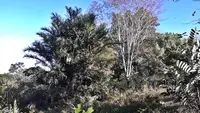
This palm is endemic to Lord Howe Island, a small volcanic island off eastern Australia, where it naturally grows in coastal forests and on sheltered slopes influenced by oceanic climate.
It is an exceptionally slow-growing palm, often adding only a few leaves per year, but individual trees in suitable conditions can live for many decades and form tall, slender trunks.
In the late 19th and early 20th centuries it became a favored indoor palm in Europe and North America, valued for tolerating lower light and cooler indoor temperatures than many tropical palms.

In its native habitat on Lord Howe Island, this species can reach heights of around 10–18 m and form part of the canopy in lowland forest, creating shaded understories that influence the entire plant community structure beneath it.
Leaf browning often comes from low humidity, underwatering, salt buildup from fertilizer, or cold drafts. Trim only fully brown tips, flush the soil occasionally, and keep conditions stable to reduce new damage.
Keep your plants happy and healthy with plant identification, disease detection, and easy care guidance.